I’ve been applying garage floor epoxy for over ten years, and I can honestly say that choosing the right epoxy kit makes all the difference between a professional-looking finish and a disappointing mess. Through countless installations and numerous trial-and-error experiences, I’ve learned that success depends heavily on understanding what makes a quality kit and how to use it properly. Whether you’re tired of oil stains on bare concrete or simply want to transform your garage into a showpiece, the right epoxy kit can completely change your space while providing years of durable protection.
Understanding Different Types of Epoxy Kits
Water-based epoxy kits represent the most beginner-friendly option in my experience, offering easier cleanup and lower odor levels during application. These kits typically contain fewer volatile organic compounds, making them safer for DIY enthusiasts working in enclosed spaces. However, I’ve found that water-based formulations generally provide less durability and chemical resistance compared to their solvent-based counterparts, particularly in high-traffic garage environments.
Solvent-based epoxy kits deliver superior performance and longevity, which is why I prefer them for most garage applications. The chemical composition creates a harder, more resilient surface that stands up better to hot tire pickup, chemical spills, and heavy equipment. The trade-off involves stronger odors during application and more complex cleanup procedures, requiring adequate ventilation and proper safety equipment throughout the process.
100% solids epoxy kits represent the premium option, containing no water or solvents that evaporate during curing. These professional-grade formulations provide maximum thickness and durability in a single application. While they cost more initially, I’ve observed that 100% solids kits often deliver better long-term value through extended lifespan and superior performance characteristics in demanding garage environments.
Essential Preparation Steps for Success
Surface preparation determines the success or failure of any epoxy installation more than any other factor. I always begin by thoroughly cleaning the concrete surface, removing all dirt, grease, and existing coatings that could interfere with adhesion. Power washing followed by degreasing ensures a clean foundation, but the surface must be completely dry before proceeding with any chemical etching or mechanical preparation methods.
Concrete etching creates the rough profile necessary for proper epoxy adhesion. I prefer using muriatic acid solutions for most applications, as they effectively open the concrete pores and create the ideal surface texture. Safety equipment, including gloves, eye protection, and proper ventilation, is essential during this process. The etched surface should feel like medium-grit sandpaper when properly prepared.
Crack and hole repair must be completed before epoxy application to prevent future problems. I use high-quality concrete patching compounds to fill any imperfections, ensuring they’re level with the surrounding surface. Temperature and humidity conditions during preparation significantly impact the final results, so I always check weather conditions and plan accordingly for optimal curing environments.

Mixing and Application Techniques
Proper mixing ratios are crucial for achieving the chemical reaction that creates a durable epoxy coating. I always measure components precisely using the provided measuring tools rather than estimating proportions. Thorough mixing for the specified time ensures complete chemical integration, but I’m careful not to introduce excessive air bubbles during the process. Working in smaller batches prevents waste when the pot life expires.
Application technique significantly affects the final appearance and performance of the epoxy coating. I start by cutting in edges with a brush, then use a roller to apply the main coating in overlapping passes. Maintaining a wet edge prevents visible lap marks, while working systematically from one end of the garage to the other ensures even coverage. Rolling technique and pressure consistency create the smooth, professional finish that homeowners desire.
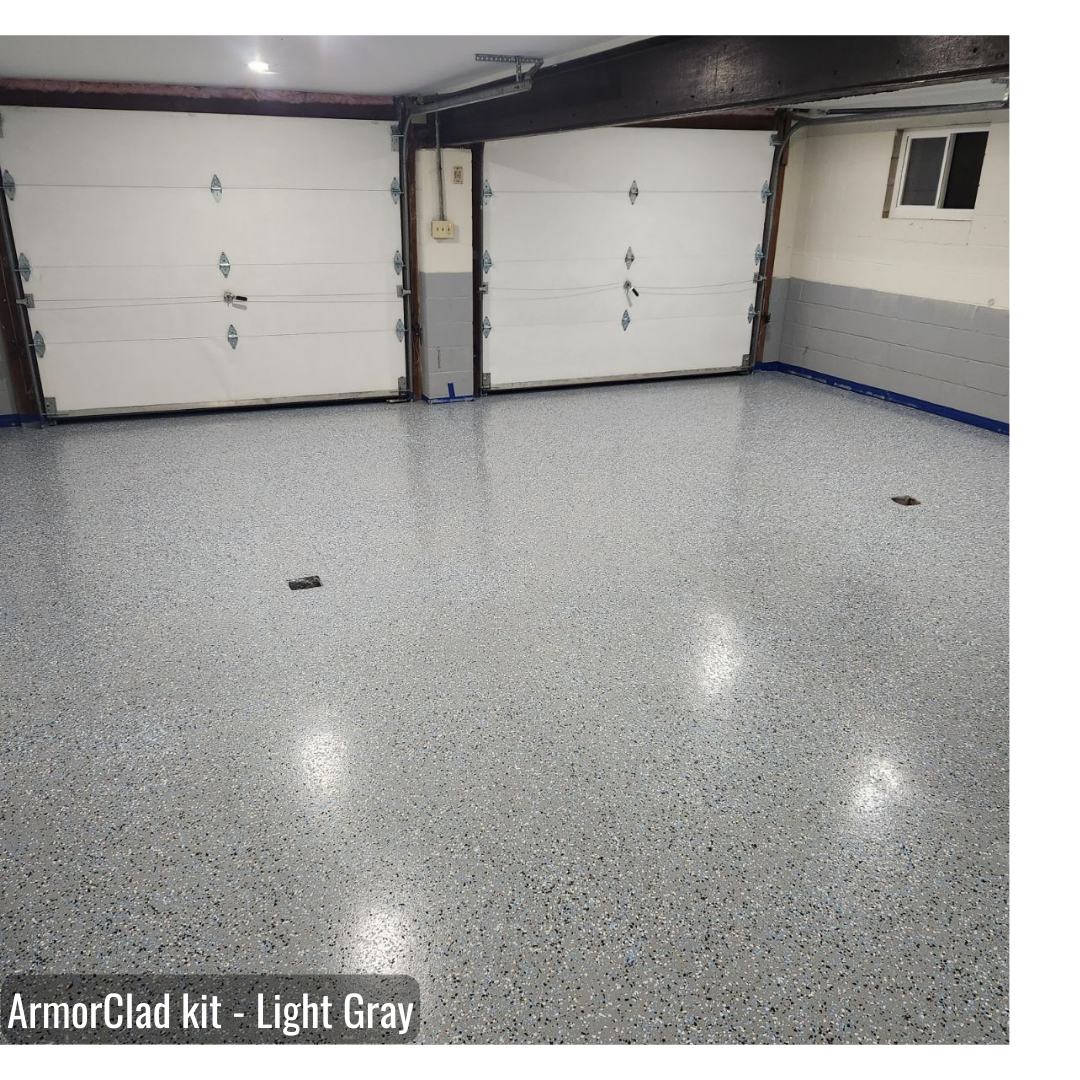
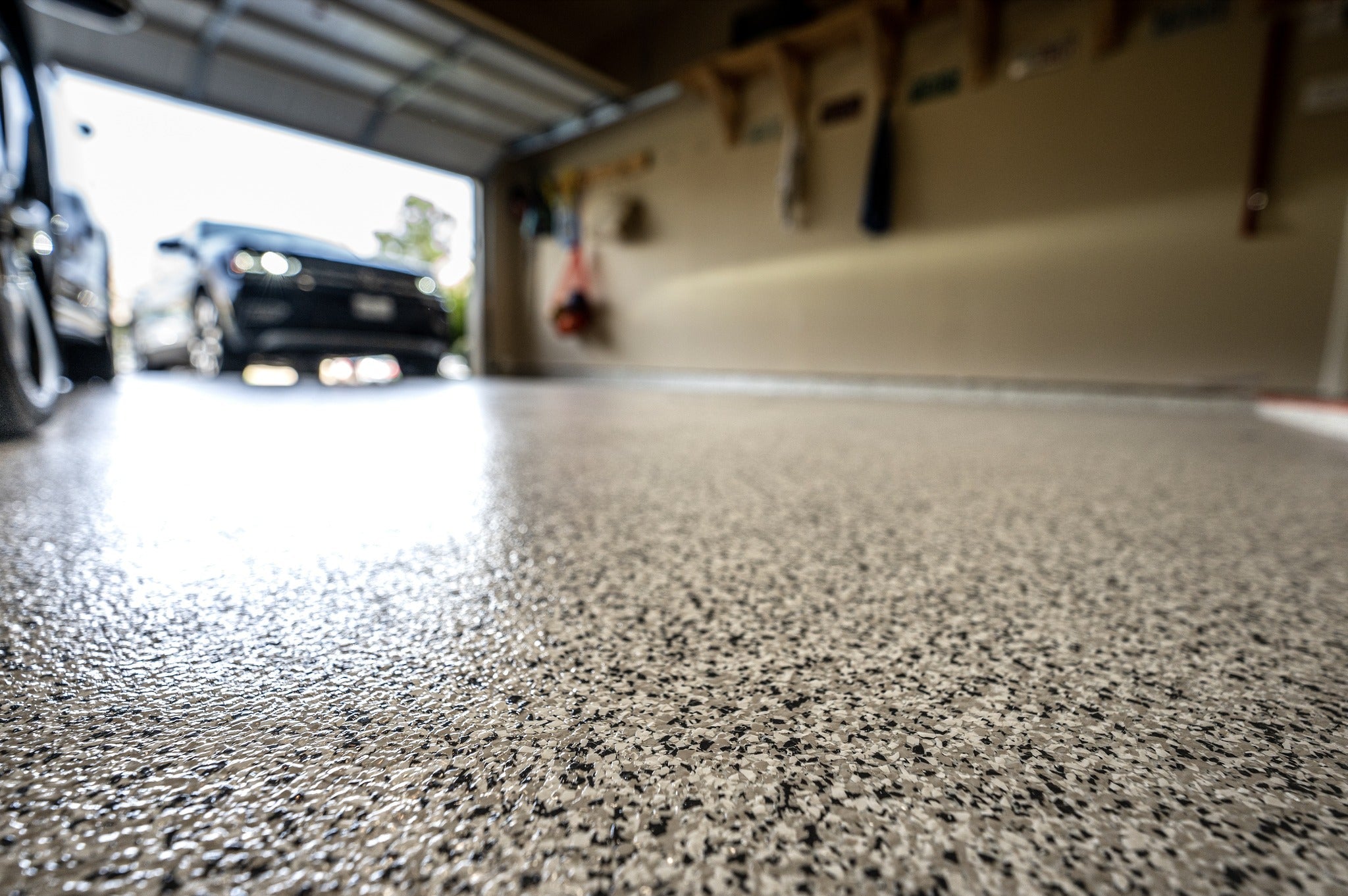
Decorative flakes and additives can enhance both appearance and functionality when applied correctly. I broadcast flakes while the epoxy is still wet, ensuring even distribution across the entire surface. The timing of flake application is critical, as applying too early or too late affects adhesion and final appearance. Excess flakes are removed after curing to prevent loose particles that could create maintenance issues.

Common Mistakes and How to Avoid Them
Inadequate surface preparation remains the most frequent cause of epoxy failure in my experience. Skipping the etching process or failing to remove all contaminants leads to poor adhesion and eventual coating failure. I’ve seen countless DIY projects fail because homeowners underestimated the importance of proper preparation. Taking shortcuts during this phase inevitably results in peeling, bubbling, or complete coating failure within months of installation.
Environmental conditions during application and curing significantly impact the final results. High humidity, extreme temperatures, or inadequate ventilation can cause various problems, including slow curing, surface defects, or poor adhesion. I always check weather forecasts and plan installations during optimal conditions. Rushing the process due to poor planning often leads to disappointing results that require complete removal and reapplication.
Mixing errors and improper application techniques create visible defects that compromise both appearance and performance. Insufficient mixing leaves uncured areas that remain soft and sticky indefinitely. Applying coats too thick or too thin affects the final appearance and durability. I’ve learned that following the manufacturer’s instructions precisely and taking time to do things correctly prevents most common problems that plague DIY epoxy installations.
Maintenance and Longevity Considerations
Regular cleaning maintains the appearance and extends the lifespan of epoxy garage floors significantly. I recommend sweeping or vacuuming regularly to remove abrasive dirt and debris that could scratch the surface. Mopping with mild detergents removes stains and maintains the glossy finish that makes epoxy floors so attractive. Avoiding harsh chemicals and abrasive cleaners prevents damage to the protective coating.
Preventive maintenance proves more effective than reactive repairs for preserving epoxy floor quality. Using furniture pads under heavy equipment prevents scratching and indentation. Cleaning spills promptly prevents staining, while avoiding dragging sharp objects across the surface maintains the smooth finish. These simple practices significantly extend the time between major maintenance or recoating cycles.
Minor repairs can address small problems before they become major issues requiring complete refinishing. Small scratches often polish out with appropriate compounds, while minor chips can be filled with matching epoxy repair materials. Understanding when to attempt repairs versus when to call professionals helps maintain the floor’s appearance and prevents costly mistakes that could require complete removal and reapplication.
Cost Analysis and Value Proposition
DIY epoxy kits offer significant cost savings compared to professional installation, typically reducing total project costs by 60 to 70 percent. Quality kits range from basic water-based options under $100 to premium 100% solids systems costing several hundred dollars. When comparing costs, I consider the coverage area, expected lifespan, and performance characteristics rather than just the initial purchase price of different kit options.
Professional installation provides guaranteed results and often includes warranties that DIY applications cannot match. However, the labor costs for professional installation can exceed $3 to $8 per square foot, depending on local market conditions and project complexity. For homeowners with basic DIY skills and adequate time, quality kits provide excellent value while delivering professional-looking results with proper application techniques.
Long-term value considerations favor quality epoxy installations regardless of whether they’re DIY or professional
. A properly applied epoxy coating protects the underlying concrete, reduces maintenance requirements, and enhances property value. The durability and chemical resistance of quality epoxy systems provide decades of service when properly maintained, making them excellent investments for most garage applications and homeowner situations.
How long does a typical garage floor epoxy kit take to fully cure?
Most epoxy kits require 24 to 48 hours before light foot traffic and 5 to 7 days for full chemical cure and vehicle traffic. Temperature and humidity significantly affect curing times, with cooler conditions extending the process. I always recommend waiting the full recommended time before subjecting the floor to heavy loads or chemical exposure. Rushing this process can result in permanent damage to the coating that requires complete removal and reapplication for proper repair.
Can I apply epoxy over existing garage floor paint or coatings?
Existing coatings must be completely removed before epoxy application for proper adhesion and long-term performance. Paint and previous coatings prevent the epoxy from bonding directly to the concrete substrate, leading to eventual failure. I use mechanical grinding or chemical strippers to remove all existing materials down to bare concrete. Attempting to apply epoxy over existing coatings almost always results in peeling and coating failure within months of installation.

What happens if I make a mistake during the epoxy application process?
Minor mistakes like brush marks or small bubbles can often be corrected while the epoxy is still workable by re-rolling the affected area. Major errors, such as contamination or improper mixing, typically require complete removal and reapplication once the coating has cured. Time is critical for corrections, as epoxy has a limited working time before it becomes too thick to manipulate. Prevention through proper preparation and technique proves much easier than attempting repairs.
How do I choose between water-based and solvent-based epoxy kits?
Water-based kits work well for light-duty applications and offer easier cleanup with lower odor levels during application. Solvent-based formulations provide superior durability and chemical resistance for high-traffic garages with heavy equipment or frequent chemical exposure. Consider your garage’s intended use, ventilation capabilities, and performance requirements when making this decision. Most homeowners with typical garage usage find water-based kits adequate for their needs.

Can epoxy kits be applied in cold weather or high humidity conditions?
Temperature and humidity significantly affect epoxy performance, with most kits requiring temperatures above 50°F and humidity below 70% for proper curing. Cold conditions slow the curing process and can prevent proper chemical cross-linking, while high humidity can cause surface defects and poor adhesion. I always check manufacturer specifications and plan installations during optimal weather conditions. Attempting application outside the recommended parameters often results in coating failure.
How much coverage can I expect from a typical garage floor epoxy kit?
Coverage varies significantly between different kit types and application methods, typically ranging from 200 to 500 square feet per kit. Porous concrete surfaces require more material than smooth, sealed surfaces, while application thickness affects total coverage area. I always purchase 10-15% extra material to account for surface variations and potential waste during mixing and application. Measuring your garage accurately and consulting the manufacturer’s specifications ensures adequate material for complete coverage.

Related Posts: