I’ve been installing cork flooring for over eight years, and I can confidently say that laundry rooms represent one of the best applications for this remarkable material. After countless installations in homes across various climates, I’ve witnessed firsthand how cork transforms these hardworking spaces into comfortable, functional areas that homeowners enjoy spending time in. The combination of moisture resistance, comfort underfoot, and natural antimicrobial properties makes cork an exceptional choice for laundry rooms where spills, humidity, and long-standing periods are daily realities.
Understanding Cork’s Natural Advantages in Laundry Spaces
Cork’s cellular structure consists of millions of air-filled chambers that create a naturally cushioned surface perfect for laundry room activities. I’ve noticed how clients immediately comment on the comfort difference when standing for extended periods while folding clothes or sorting laundry. The compressible nature of cork provides excellent shock absorption, reducing fatigue in feet, legs, and back during those marathon laundry sessions that we all experience.
The natural moisture resistance of cork comes from suberin, a waxy substance that has protected cork oak trees for centuries. In my experience, this inherent water resistance makes cork ideal for laundry rooms where washing machine overflows, detergent spills, and general humidity are constant concerns. Unlike hardwood, which can warp or laminate that can swell, cork maintains its integrity even when exposed to moisture.
Sound absorption represents another significant advantage I’ve observed in laundry room installations. The porous structure of cork naturally dampens noise from washing machines, dryers, and general activity. This acoustic benefit proves particularly valuable in homes where laundry rooms are located near living spaces or bedrooms, creating a more peaceful environment throughout the house.
Installation Considerations for Maximum Performance
Proper subfloor preparation forms the foundation of successful cork installation in laundry rooms. I always ensure the subfloor is completely level, dry, and structurally sound before beginning any cork project. Any moisture issues must be addressed first, as even cork’s natural resistance has limits. I typically recommend moisture barriers in below-grade installations or areas with known humidity concerns.
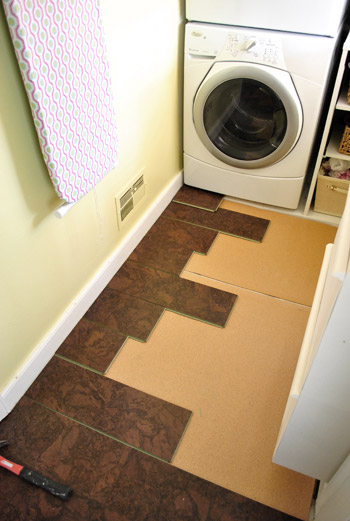
For laundry rooms, I prefer glue-down cork tiles over floating installations due to the potential for water exposure. The direct adhesion to the subfloor eliminates gaps where moisture could penetrate and cause problems. I use high-quality, moisture-resistant adhesives specifically designed for cork applications, ensuring long-term performance even in challenging conditions.
Acclimation becomes crucial in laundry room environments where temperature and humidity fluctuations are common. I require cork materials to adjust to room conditions for at least 48 hours before installation. This process prevents future expansion or contraction issues that could compromise the floor’s integrity and appearance over time.
Selecting the Right Cork Style and Finish
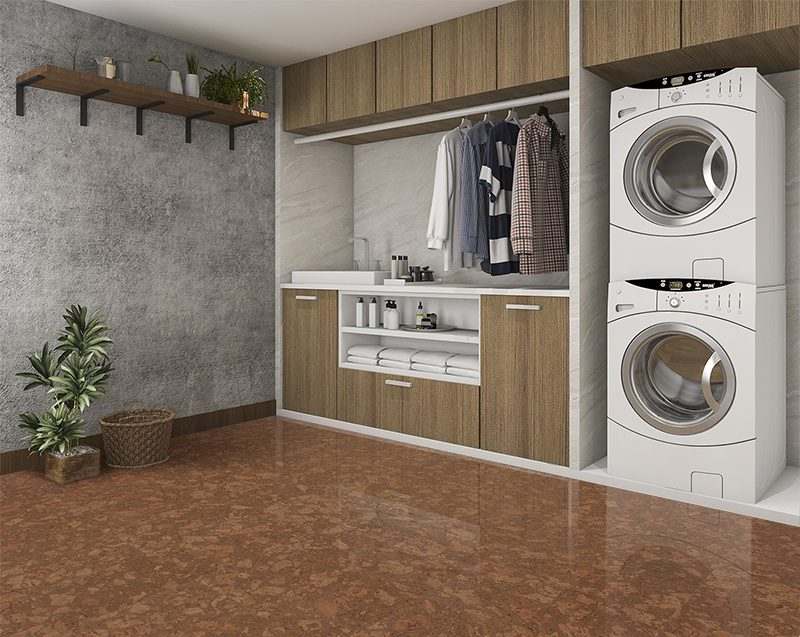
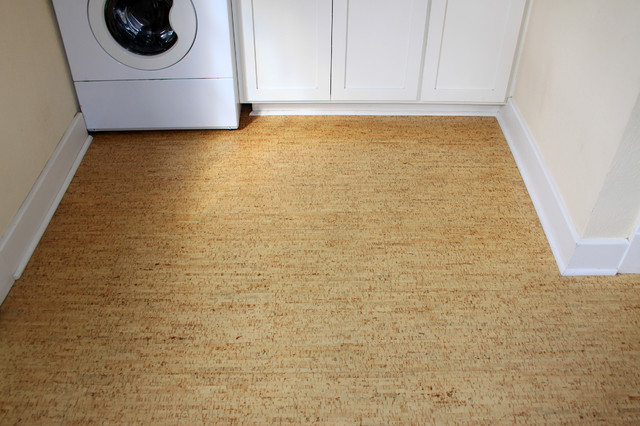
Natural cork tiles offer the most authentic appearance and perform exceptionally well in laundry room applications. I appreciate how the warm, honey-colored tones complement both traditional and contemporary design schemes while hiding minor dirt and debris between cleaning sessions. The natural variation in cork’s grain pattern adds visual interest without overwhelming the space.
Engineered cork planks provide enhanced moisture resistance through their multi-layer construction and are my preferred choice for laundry rooms with higher humidity levels. The protective wear layer and stable core construction offer superior performance in demanding environments while maintaining cork’s natural comfort and insulation properties.
Finish selection significantly impacts performance and maintenance requirements in laundry room installations. I recommend polyurethane finishes with enhanced moisture protection for areas around washing machines and utility sinks. These protective coatings create an additional barrier against spills while maintaining the natural beauty and feel of cork flooring.
Maintenance Strategies for Long-lasting Beauty
Daily maintenance of cork flooring in laundry rooms requires minimal effort when proper techniques are followed. I educate clients about immediate spill cleanup using soft, absorbent cloths to prevent moisture penetration. Regular sweeping or vacuuming with soft brush attachments removes lint, dirt, and debris that could cause surface scratching over time.
Weekly cleaning involves damp mopping with pH-neutral cleaners specifically designed for cork surfaces. I emphasize the importance of using minimal water and ensuring thorough drying to prevent moisture-related issues. Harsh chemicals and abrasive cleaners should be avoided as they can damage the cork’s protective finish and natural structure.
Preventive measures prove more effective than reactive maintenance in preserving cork’s appearance and performance. I recommend using mats around washing machines and utility areas to catch drips and spills. Maintaining consistent humidity levels between 40 and 60 percent prevents excessive expansion or contraction that could affect the floor’s stability.
Design Integration and Aesthetic Appeal
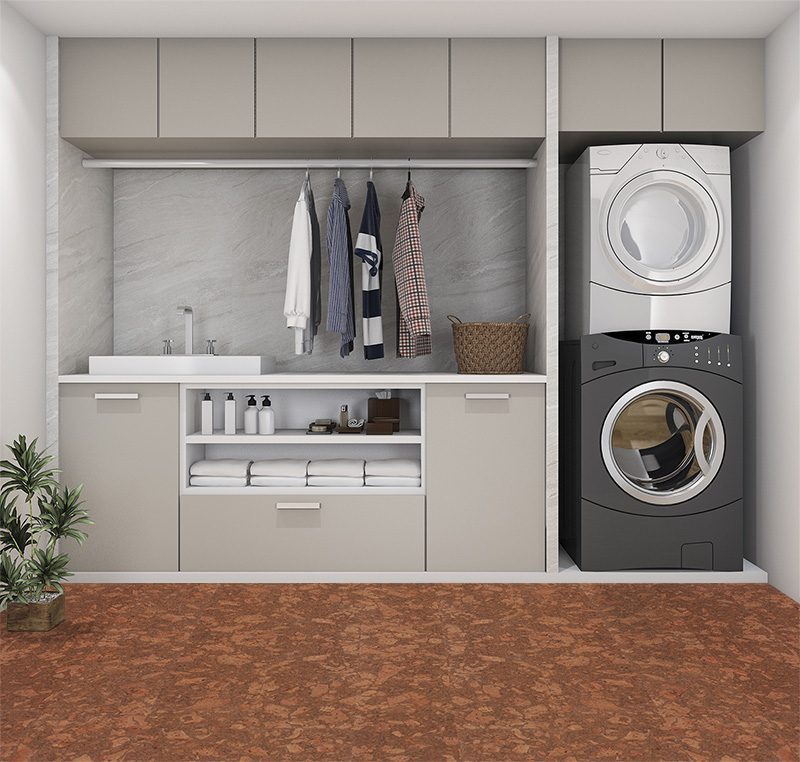
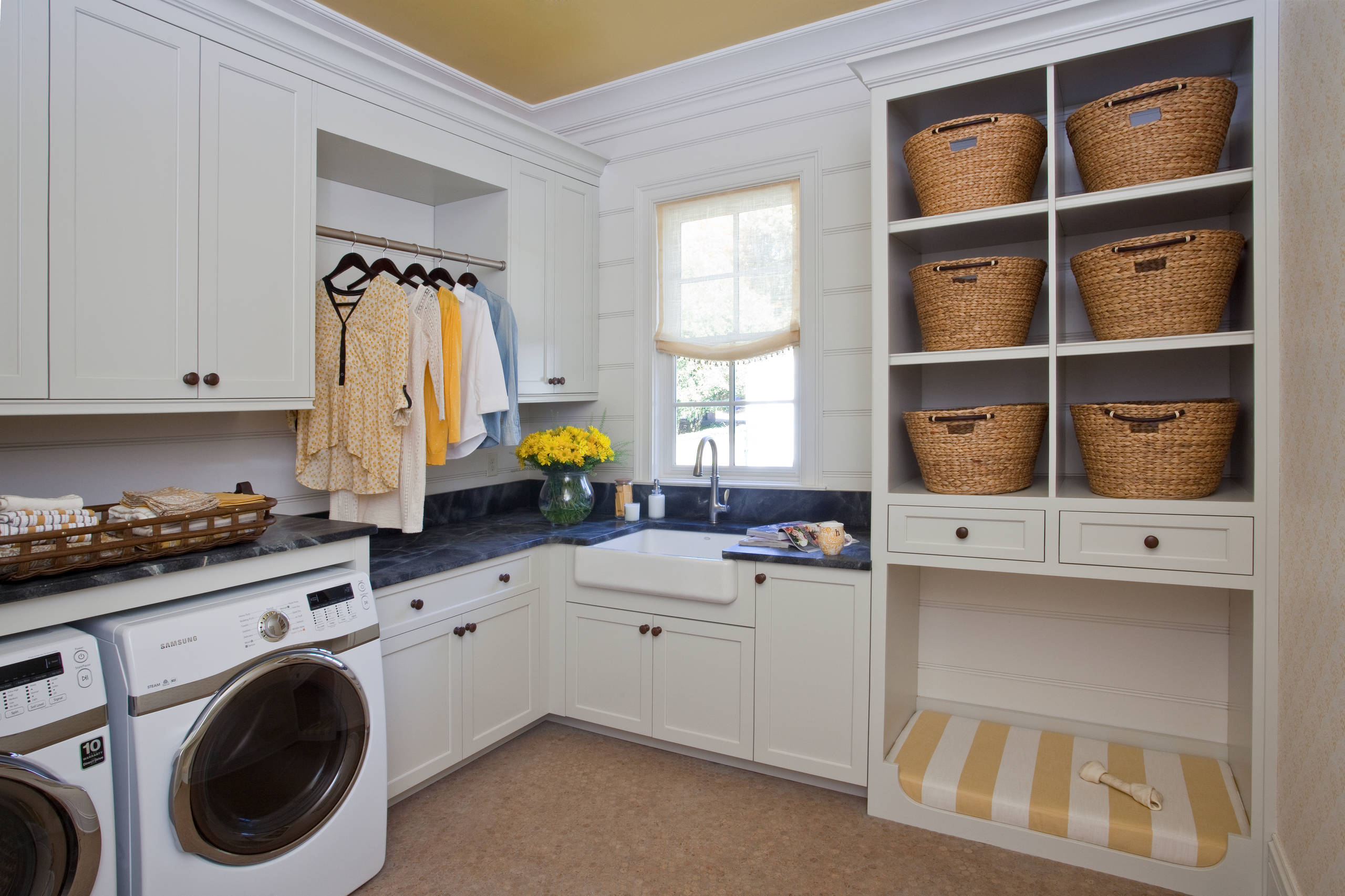
Cork flooring serves as an excellent foundation for creating warm, inviting laundry room environments. I’ve successfully paired cork with white or light-colored cabinetry to create bright, cheerful spaces that feel more like extensions of the home rather than utilitarian afterthoughts. The natural warmth of cork balances cooler elements like stainless steel appliances and ceramic fixtures.
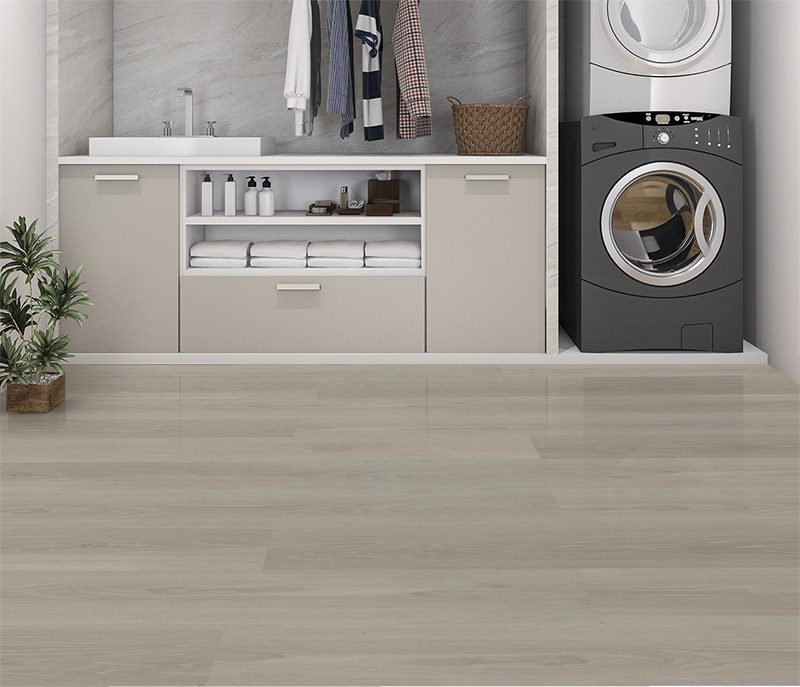
Color coordination becomes effortless when using cork’s natural tones as a starting point for the overall design scheme. I often recommend warm whites, soft grays, and natural wood tones that complement cork’s inherent beauty. This approach creates cohesive spaces that feel intentionally designed rather than hastily assembled.
Lighting considerations take on special importance with cork flooring because the surface reflects and enhances both natural and artificial light sources. I pay attention to how different lighting conditions affect the floor’s appearance throughout the day, ensuring the cork contributes positively to the space’s functionality and ambiance in all situations.
Cost Considerations and Long-term Value
Cork flooring represents excellent value for laundry room applications when considering both initial costs and long-term performance. I typically find cork pricing competitive with quality vinyl or laminate options while offering superior comfort, durability, and environmental benefits. The ability to refinish cork surfaces extends their lifespan significantly compared to other flooring types.
Installation costs for cork remain reasonable due to the material’s workability and the straightforward installation process. I can typically complete laundry room projects efficiently, keeping labor expenses manageable while ensuring professional results. The preparation requirements are minimal compared to some flooring types, further controlling project costs.
Long-term value considerations favor cork flooring in several key areas. The durability means fewer repairs and replacements over the floor’s lifetime, while the refinishing capability allows for renewal when needed. Additionally, cork’s sustainable harvesting process and natural properties contribute to improved indoor air quality and environmental responsibility.
Can cork flooring handle washing machine leaks and water spills in laundry rooms?
Cork flooring handles minor water exposure quite well due to its natural moisture resistance from suberin, but proper installation and immediate cleanup remain crucial. I’ve seen cork floors survive washing machine overflows when properly sealed and maintained. However, standing water should be removed promptly to prevent potential damage. The key is using appropriate sealers and ensuring proper installation techniques that minimize moisture penetration through seams and edges.
How does cork flooring perform with heavy appliances like washers and dryers?
Cork’s compressible nature works in its favor with heavy appliances, as it can compress up to 40% and recover its original shape. I always recommend using appliance pads to distribute weight evenly and prevent permanent indentation. The cushioning properties of cork also help reduce vibration transmission from appliances, making laundry rooms quieter. Proper installation with quality adhesives ensures the floor remains stable under appliance weight.
What maintenance routine works best for cork floors in laundry rooms?
I recommend daily sweeping to remove lint and debris, immediate spill cleanup with soft cloths, and weekly damp mopping with cork-specific cleaners. Avoid excessive water and harsh chemicals that can damage the protective finish. Monthly inspection for wear patterns or loose tiles helps catch issues early. Reapplying protective finish every few years in high-traffic areas maintains optimal performance and appearance in demanding laundry room environments.
Is cork flooring suitable for basement laundry rooms with humidity concerns?
Cork works well in basement laundry rooms when proper moisture control measures are implemented. I always address any existing moisture issues before installation and recommend dehumidifiers to maintain 40-60% humidity levels. Engineered cork with enhanced moisture barriers performs better than solid cork in these applications. Proper ventilation and moisture barriers under the floor prevent most humidity-related problems while preserving cork’s natural benefits.

How long does cork flooring typically last in laundry room applications?
With proper installation and maintenance, cork flooring can last 25-40 years in laundry rooms, making it an excellent long-term investment. I’ve seen well-maintained cork floors from decades ago that still look beautiful. The ability to sand and refinish cork surfaces extends their lifespan significantly compared to vinyl or laminate alternatives. Regular maintenance and prompt attention to any issues ensure maximum longevity and continued performance.
Can I install cork flooring myself in my laundry room?
DIY installation is possible for homeowners with moderate skills and proper tools, particularly with click-lock cork planks. However, I recommend professional installation for glue-down applications in moisture-prone areas like laundry rooms. Proper subfloor preparation, adhesive selection, and sealing techniques are crucial for long-term success. Consider your skill level honestly, as poor installation can lead to moisture problems and premature failure in demanding environments.
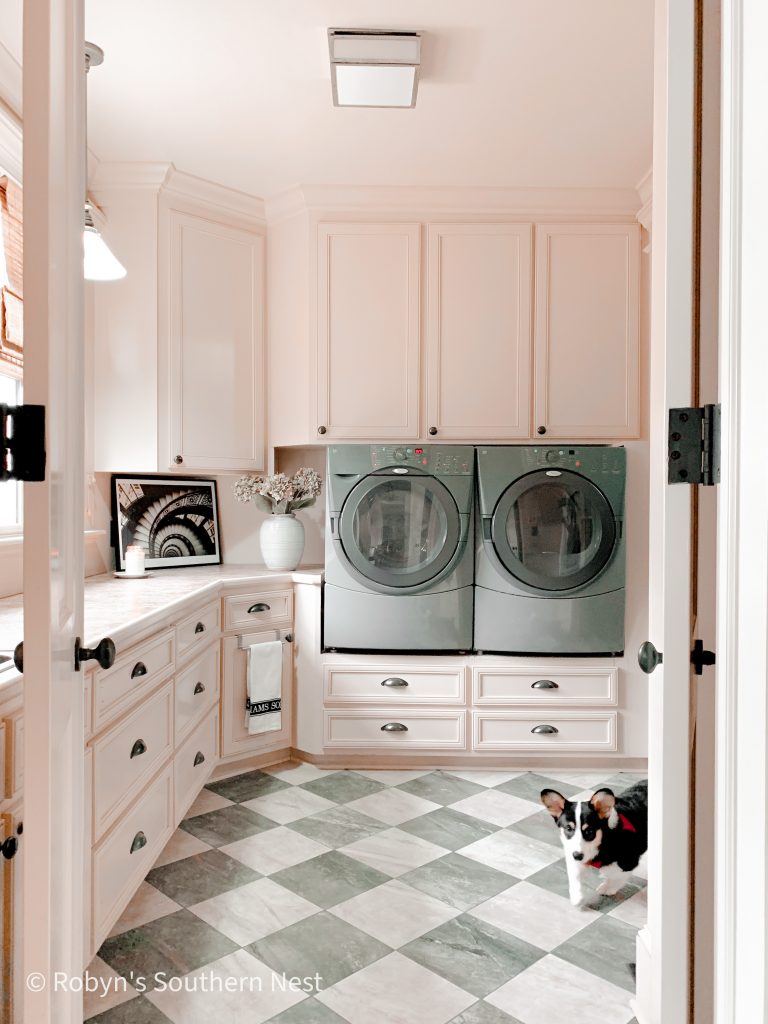
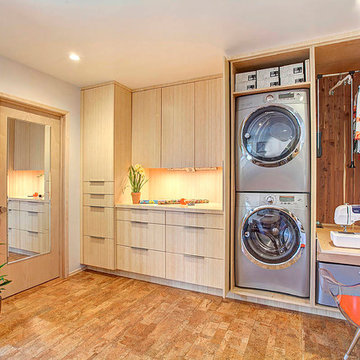
Cork Floor Laundry Room with Light Wood Cabinets Ideas
Lively Laundry Rooms
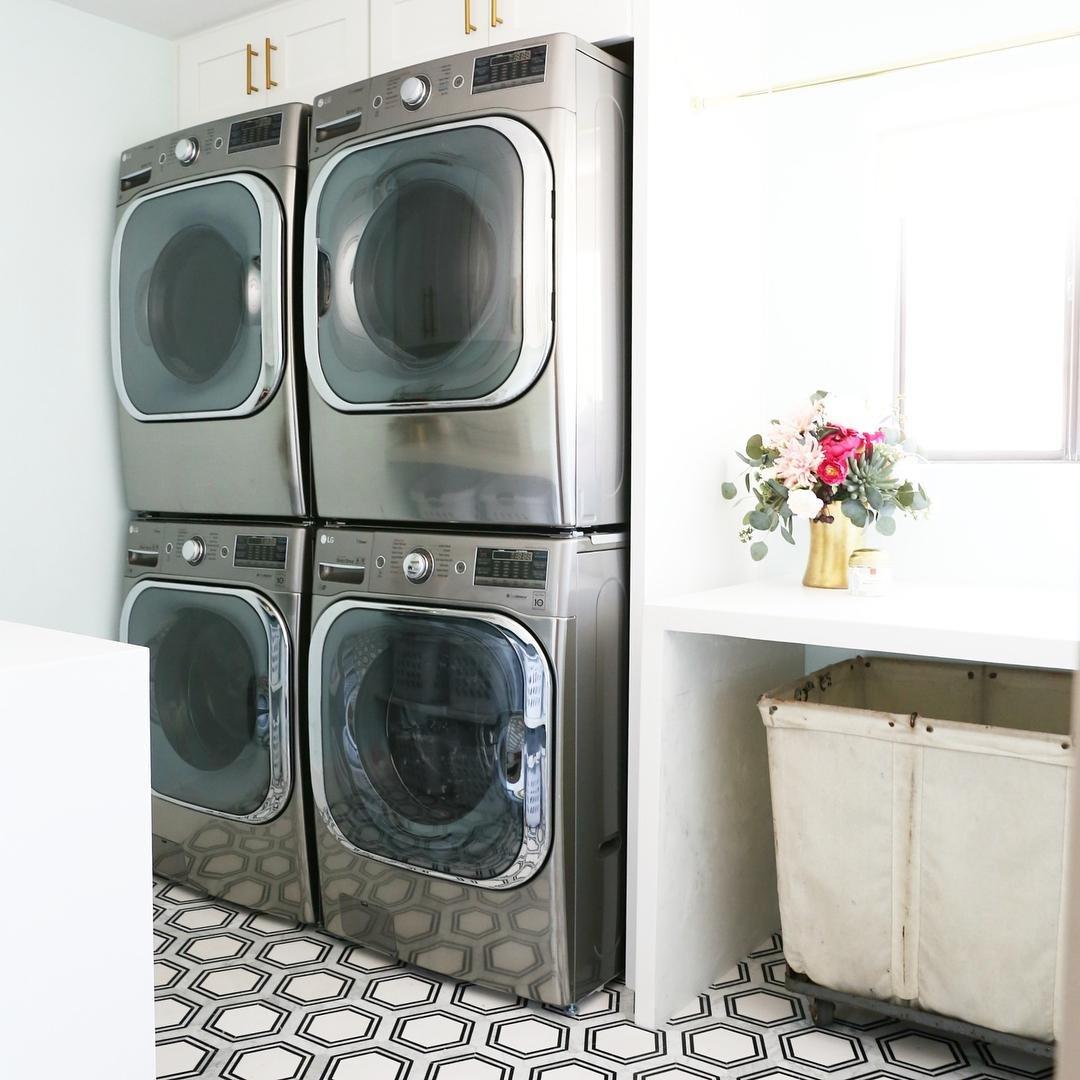
Cork Floor L-Shaped Laundry Room Ideas
DIY Basement Flooring Ideas – Affordable DIY Flooring Options
Related Posts: