When I renovated my condo last year, I wanted sustainable flooring that would work with my modern, minimalist aesthetic. Natural cork seemed too warm and rustic for my vision, but then I discovered gray-stained cork flooring and everything clicked. The cool tones combined with cork’s natural texture created exactly the contemporary organic look I was after. Installing gray cork throughout my main living spaces transformed them into sophisticated, comfortable environments that feel current and timeless simultaneously. Let me share how gray cork became the perfect bridge between my sustainability values and design preferences.
Choosing the Right Shade of Gray Cork
I learned that gray cork comes in an impressive range of tones, from pale silver to deep charcoal. I spent weeks comparing samples because the shade dramatically affects the overall atmosphere. I ultimately chose a medium gray with subtle blue undertones for my living areas. This shade feels contemporary and calm without being cold or sterile. The slight blue cast complements the natural light from my north-facing windows beautifully.
The staining process for gray cork involves applying gray wood stain to unfinished cork tiles or planks before sealing. I opted for pre-finished gray cork to ensure even, professional color application. However, I’ve seen DIY projects where people stained natural cork themselves with impressive results. The porous nature of cork absorbs stain beautifully, creating rich, deep color that penetrates rather than sitting on the surface like paint would.
I discovered that different gray tones suit different purposes. Lighter grays make small spaces feel larger and airier, perfect for my compact bedroom. Darker charcoal grays create drama and sophistication, which I used in my home office for a grounded, focused atmosphere. The medium gray in my living room strikes a balance, feeling spacious yet substantial. Understanding these nuances helped me select appropriate gray tones for each space’s specific needs and lighting conditions.
Pairing Gray Cork with Modern Design Elements
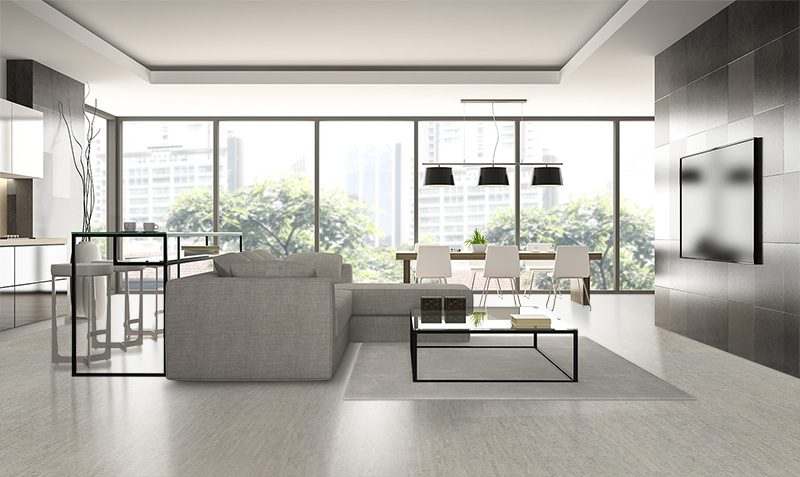
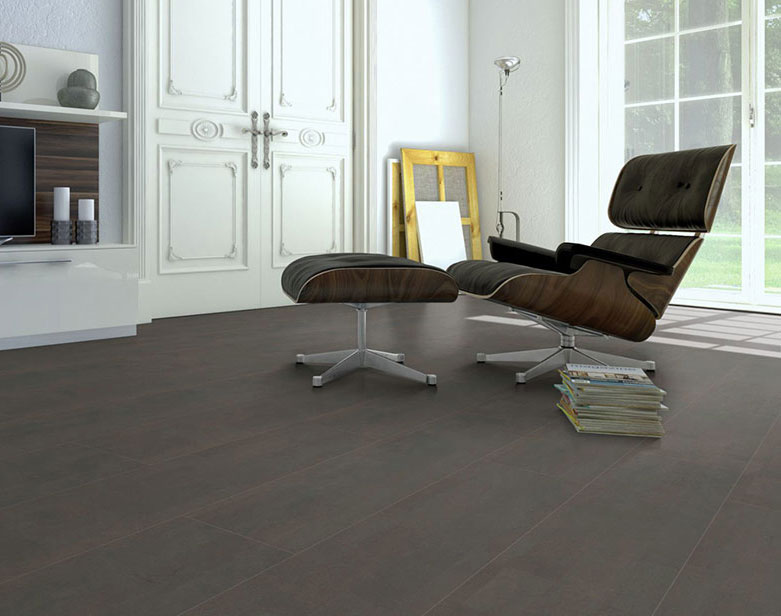
The cool neutrality of gray cork provided the perfect foundation for my modern aesthetic. I paired it with white walls, creating clean contrast that makes both elements pop. The organic texture of cork prevents the gray-and-white scheme from feeling too sterile or cold. This combination achieves the minimalist look I wanted while maintaining warmth through cork’s natural tactile quality.
I furnished the space with mid-century modern pieces in walnut and teak, and the gray cork floor grounds these warmer wood tones beautifully. The cool floor prevents the room from feeling too warm or traditional, while the warm furniture keeps the gray from becoming too stark. This temperature contrast creates visual interest and balance. I added pops of color through artwork and textiles, which stand out dramatically against the neutral gray floor.
Metallic accents work exceptionally well with gray cork. I incorporated brushed nickel lighting fixtures, stainless steel shelving, and copper decorative objects. These metallics reflect light off the gray floor in interesting ways throughout the day. The natural texture of cork adds an organic element that prevents the metals and grays from feeling too industrial or cold. This layering of cool tones with varied textures creates sophisticated depth.
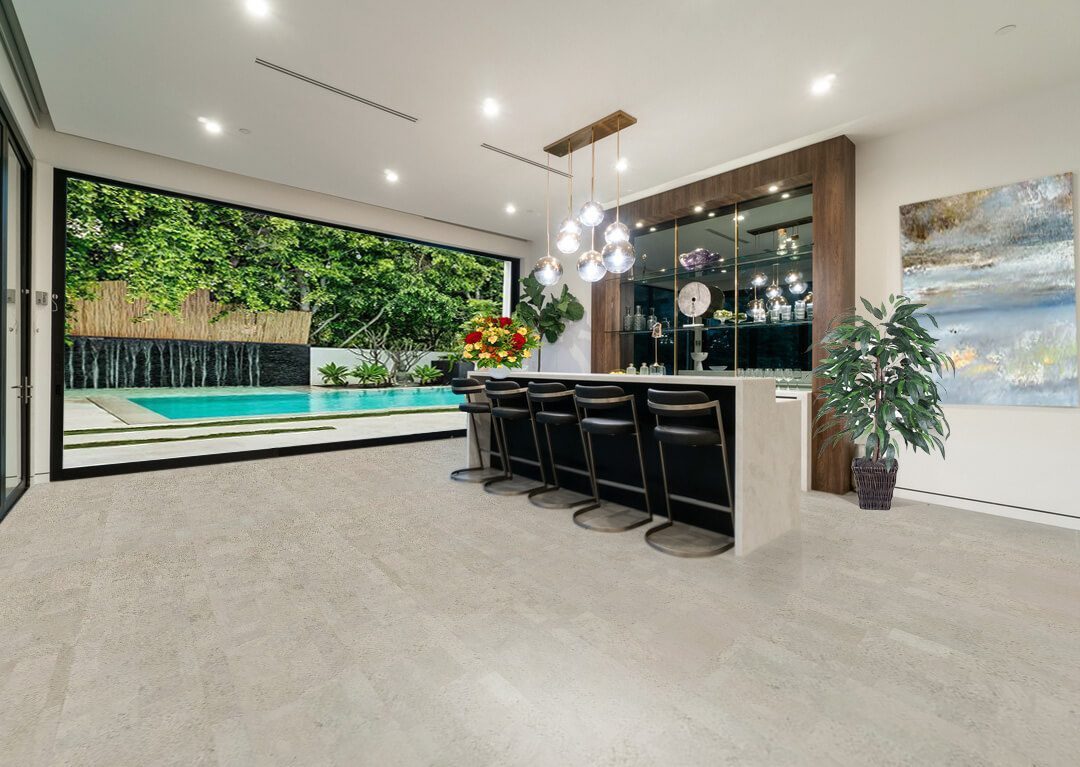
The Contemporary Look of Gray Cork Texture
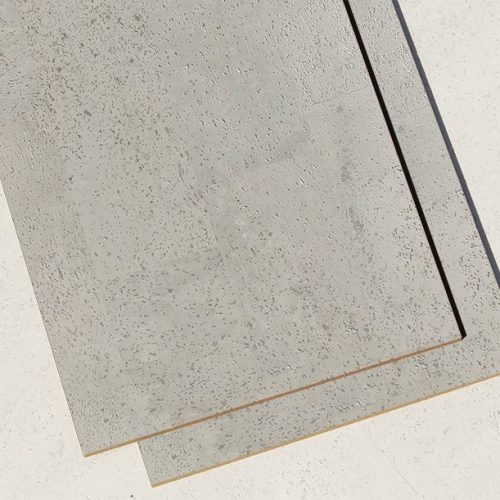
Beyond color, the texture of cork contributes significantly to the contemporary aesthetic I achieved. I chose smooth-finished cork rather than heavily textured options because I wanted clean, modern lines. The subtle natural grain of cork provides just enough visual interest without competing with my minimalist decor. This restrained texture feels intentional and sophisticated rather than busy.
I experimented with large-format gray cork tiles in my entryway, using 24×24 inch squares instead of standard 12×12 tiles. The larger format creates fewer seam lines, contributing to a sleek, contemporary appearance. These oversized tiles make the small entryway feel more spacious and modern. The installation was trickier with larger tiles, but the clean, streamlined result was worth the extra effort.
The matte finish I selected enhances the modern aesthetic. High-gloss would have felt too traditional or dated for my vision. The satin matte surface has subtle sheen that’s sophisticated without being shiny. This finish choice affects how light interacts with the gray color throughout the day, creating soft, diffused reflections rather than harsh glare. The matte gray cork reads as refined and current, aligning perfectly with contemporary design principles.

How Lighting Affects Gray Cork Appearance
I discovered that gray cork looks dramatically different under various lighting conditions. My living room has abundant natural light, and the gray cork appears as a soft, warm gray during the day. Under evening artificial light from warm LED bulbs, the same floor takes on slightly warmer, taupe-like tones. This color-shifting quality keeps the space visually interesting and prevents the gray from feeling monotonous.
My bedroom gets less natural light, so I paid careful attention to artificial lighting selection. Cool-toned LED bulbs made the gray cork look blue and uninviting. I switched to warm white bulbs (2700K), which brought out subtle warm undertones in the gray, making the space feel cozy despite the cool floor color. This taught me that gray cork’s final appearance is a collaboration between floor color and light source temperature.
I installed dimmer switches in all rooms with gray cork, giving me control over how the floor appears at different times. Bright light makes the gray feel crisp and energizing, perfect for productive daytime hours. Dimmed evening light brings out deeper, more intimate tones that create relaxation. This lighting flexibility lets me adjust the room’s mood while the gray cork adapts and responds beautifully to every lighting level.
Maintenance and Practical Considerations
Gray cork’s practical advantage is that it hides dirt and dust better than very light or very dark floors. The medium gray tone I chose conceals the daily accumulation of debris between cleanings. Light floors show every speck, while dark floors reveal dust dramatically. My gray cork maintains a clean appearance with minimal effort, which suits my busy lifestyle perfectly.
Daily maintenance involves sweeping or vacuuming to remove grit before it can scratch the protective seal. I use a soft-bristle attachment to avoid scratching the surface. Weekly, I damp mop with pH-neutral cork floor cleaner. The gray color doesn’t show water spots as obviously as darker floors would, making maintenance more forgiving. The entire cleaning process takes maybe 15 minutes for my 800-square-foot space.
I reseal my gray cork annually with water-based polyurethane that dries clear. This maintains protection without altering the carefully chosen gray color. I was initially worried that repeated sealing might yellow or cloud the gray, but water-based products remain crystal clear. This annual maintenance preserves both the gray color and the protective seal, ensuring the floor continues looking fresh and contemporary year after year.
Creating Visual Flow with Gray Cork
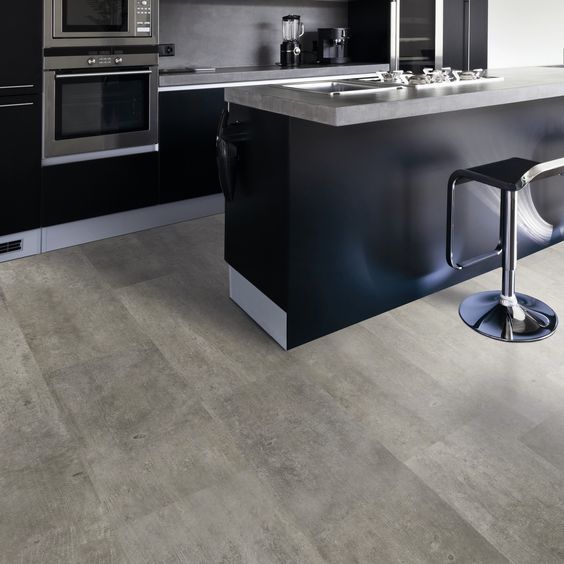
I used gray cork throughout my open-concept living, dining, and kitchen areas to create seamless visual flow. The continuous gray surface unifies these connected spaces without requiring area rugs or transitions that would break up the clean lines. This uninterrupted flooring makes my 1,200-square-foot condo feel significantly larger and more cohesive than it would with multiple flooring types.
Transitioning from gray cork in living areas to white tile in bathrooms required thoughtful planning. I used slim metal transition strips in brushed nickel that complement the cool tones of both materials. These transitions are barely noticeable but provide necessary separation between different flooring types. The consistent cool color palette across rooms maintains flow even where materials change.
I’ve learned that gray cork works beautifully as a neutral foundation that allows flexibility in changing decor. Over the past year, I’ve completely changed my color scheme from blues and grays to warmer corals and terracottas. The gray cork floor adapted perfectly to both palettes, proving its versatility. This neutral adaptability means I won’t tire of the floor even as my style evolves, making it a smart long-term investment.
Does gray cork flooring look too cold or industrial?
Not with proper design choices. My gray cork feels sophisticated and calm rather than cold because I’ve balanced it with warm wood furniture and textiles. The natural texture of cork adds organic warmth that prevents industrial coldness. Lighting choice also matters, warm LED bulbs bring out subtle warm undertones. Gray cork’s temperature depends entirely on surrounding elements.
Will gray stain on cork fade or change color over time?
Mine hasn’t faded noticeably after two years. Quality pre-stained cork uses deep-penetrating stains that are sealed with UV-resistant polyurethane. I close blinds during peak sun to minimize UV exposure. The gray color has remained consistent and true. Cheap staining jobs might fade, but professional pre-finished gray cork maintains its color beautifully with minimal sun protection.

Is gray cork more expensive than natural cork?
Slightly, about 10-20% more due to the staining process. I paid $5-6 per square foot for quality pre-finished gray cork versus $4-5 for natural. The price difference is minimal for the significant aesthetic impact. If you stain natural cork yourself, costs are similar, just requiring time and effort for DIY staining and sealing.
Can I install gray cork in kitchens and bathrooms?
Kitchens yes, bathrooms with caution. I have gray cork in my kitchen with excellent results. Properly sealed cork handles kitchen moisture fine. For bathrooms, use it only if well-sealed and you’re diligent about wiping up water. I chose tile for my bathroom to avoid moisture concerns, but some people successfully use cork in bathrooms with extra care.
Does gray cork work in traditional or farmhouse style homes?
It can, but it naturally leans contemporary. Gray is inherently modern, while natural cork fits traditional styles better. That said, design rules aren’t absolute. I’ve seen gray cork in transitional spaces where it provides contemporary edge to otherwise traditional rooms. Consider whether gray’s modern associations align with your overall aesthetic vision before committing.
How do I prevent gray cork from looking dated in 10 years?
Choose classic medium grays rather than trendy tones. I avoided blue-grays that felt very 2020s, selecting a true neutral gray that’s timeless. Quality cork lasts 20+ years, so pick shades with staying power. If gray does eventually feel dated, cork can potentially be re-stained, though I haven’t tested this. Focus on classic neutrals for longevity.

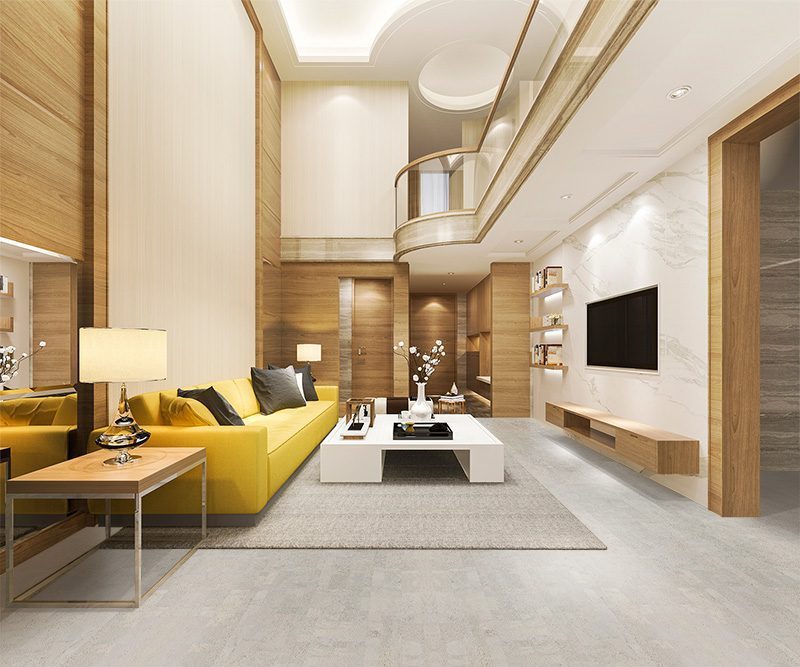
Gray Leather – 1/2 Inch (12mm) – Cork Floating Flooring
Related Posts:
- Cork Flooring Colors
- Cork Flooring Dining Room
- Light Cork Flooring
- Engineered Cork Flooring
- Cork Flooring In Kitchen
- Cork Flooring Modern
- Cork Flooring White
- Herringbone Cork Flooring
- Outdoor Cork Flooring
- Cork Flooring Bathroom
Gray Cork Floor Tiles: A Comprehensive Guide
Cork flooring is becoming increasingly popular in today’s home design because of its unique look, durability, and eco-friendly composition. Gray cork floor tiles are no exception. These tiles boast a sleek, modern look while still offering the same soft, comfortable surface and sound-absorbing qualities that have made cork flooring so popular. In this comprehensive guide, we’ll explore the features, benefits, installation process, and more of gray cork floor tiles.
What Are Gray Cork Floor Tiles?
Gray cork floor tiles are a type of cork flooring that has been dyed or stained a light to medium shade of gray. This gives the tiles a unique look that is modern and sleek without being too dark or bold. It’s also a great way to add a touch of color to a room without going too far. The tiles are made from the same eco-friendly cork material as regular cork flooring and still offer the same soft but durable surface, sound insulation, and temperature regulation.
Benefits of Gray Cork Floor Tiles
Gray cork floor tiles are a great choice for many homes due to their many benefits. Firstly, they offer the same soft and comfortable surface as regular cork tiles. This makes them ideal for rooms such as bedrooms and dens that you want to be comfortable and relaxing. They also offer excellent sound insulation properties which make them great for areas with high levels of noise such as kitchens or children’s playrooms.
Another major benefit of gray cork floor tiles is their durability. While they may not be as hard as other types of flooring such as tile or hardwood, they are still very resistant to wear and tear and can last for many years with proper maintenance. Finally, gray cork tiles are also eco-friendly and easy to install, making them an ideal choice for anyone looking to reduce their carbon footprint or save on installation costs.
Installation Process
Installing gray cork tiles is relatively easy and can be done by most DIYers with minimal tools and experience. The first step is to prepare the subfloor by removing any existing flooring, cleaning the area thoroughly, and making sure it is level. Once the subfloor is ready, you can start laying down your tiles. Depending on the type of tile you choose, you may need to use an adhesive or grout to secure them in place. Once your tiles are laid out, you can seal them with a protective coating or varnish for additional protection.
How do I clean gray cork floor tiles?
Cleaning gray cork floor tiles is fairly simple. Start by vacuuming or sweeping regularly to remove dust and debris from the surface. Then mop with a damp mop or cloth using warm water and a mild detergent or vinegar solution to remove any dirt or stains. Avoid using harsh chemicals or abrasive cleaning products as these can damage the surface of your tiles over time.
Are gray cork floor tiles hard wearing?
Yes, gray cork tiles are very durable and can last for many years with proper care and maintenance. The soft surface makes them less prone to scratches, dents, and other types of damage than other types of flooring such as tile or hardwood. However, they may require some extra TLC to keep them looking their best over time.
Do gray cork floor tiles need sealing?
Yes, it is recommended that you seal your gray cork tile floors with a protective coating or varnish after installation in order to protect them from dirt, spills, stains, and wear and tear over time. This will help ensure that your floors look their best for years to come.