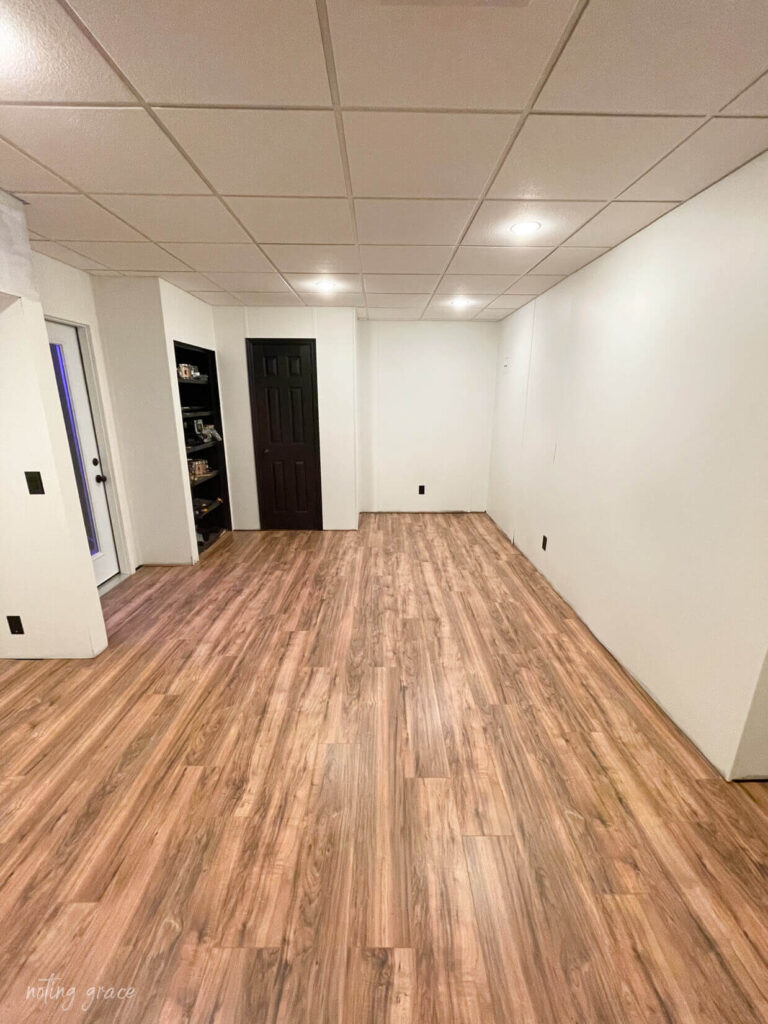
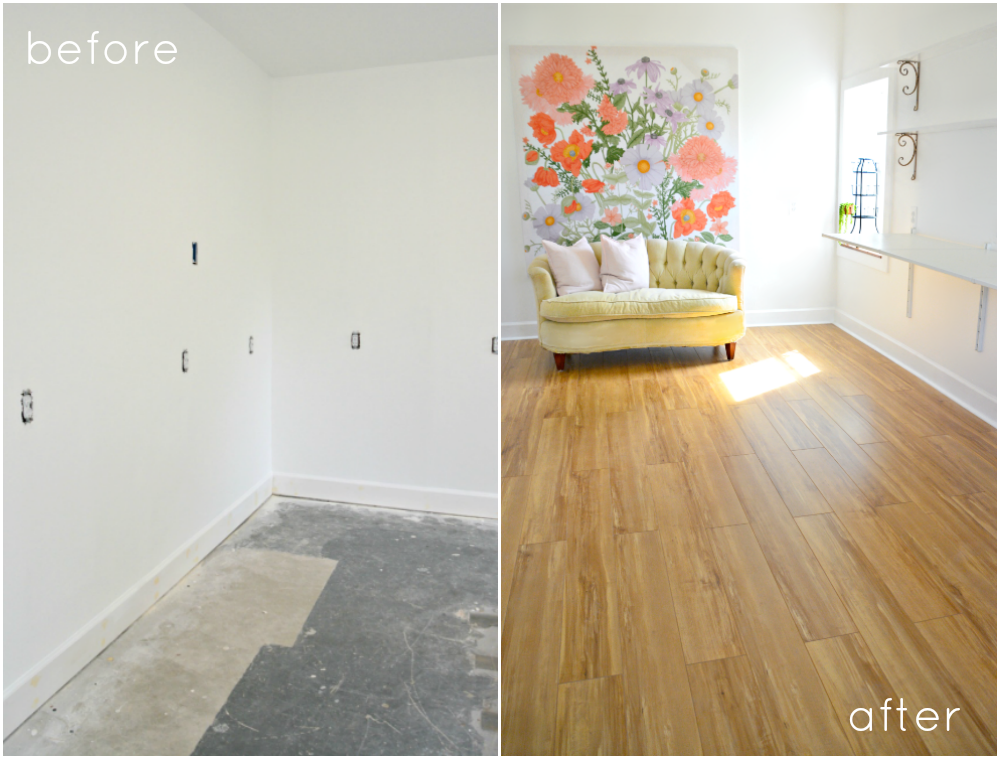
My basement renovation project began with cold, uninviting concrete floors that made the space feel more like a storage area than a comfortable living environment. After researching various flooring options suitable for concrete substrates, laminate emerged as the ideal solution, offering warmth, comfort, and an attractive appearance at an affordable price point. This comprehensive guide documents my successful transformation of bare concrete into a beautiful, functional living space using modern laminate flooring systems.
Understanding Concrete Substrate Challenges
Moisture issues present the primary challenge when installing laminate flooring over concrete surfaces. I discovered that concrete naturally absorbs and releases moisture from the ground and surrounding environment, creating conditions that can damage laminate planks and underlayment systems. Testing moisture levels using calcium chloride tests and relative humidity meters became essential for determining whether my basement concrete was suitable for laminate installation.
Temperature fluctuations in basement environments create additional challenges for laminate flooring installations. I noticed significant temperature variations between seasons that could cause expansion and contraction problems with laminate planks. Understanding these thermal cycling effects helped me select appropriate underlayment and plan installation techniques that accommodate natural movement while maintaining stability and appearance over time.
Surface preparation requirements for concrete differ significantly from traditional wood subfloors commonly used in residential construction. I learned that concrete surfaces must be level within specific tolerances, typically 3/16 inch over 10 feet, to prevent laminate planks from rocking or creating gaps. Grinding high spots and filling low areas with self-leveling compound became necessary steps for achieving proper installation conditions.
Moisture Testing and Prevention Strategies
I performed comprehensive moisture testing using both surface meters and in-situ probes to accurately assess my basement concrete’s moisture conditions. The calcium chloride test measured moisture vapor emission rates over 72-hour periods, while relative humidity probes provided ongoing monitoring of moisture levels within the concrete slab. These tests revealed moisture levels requiring mitigation before laminate installation could proceed safely.
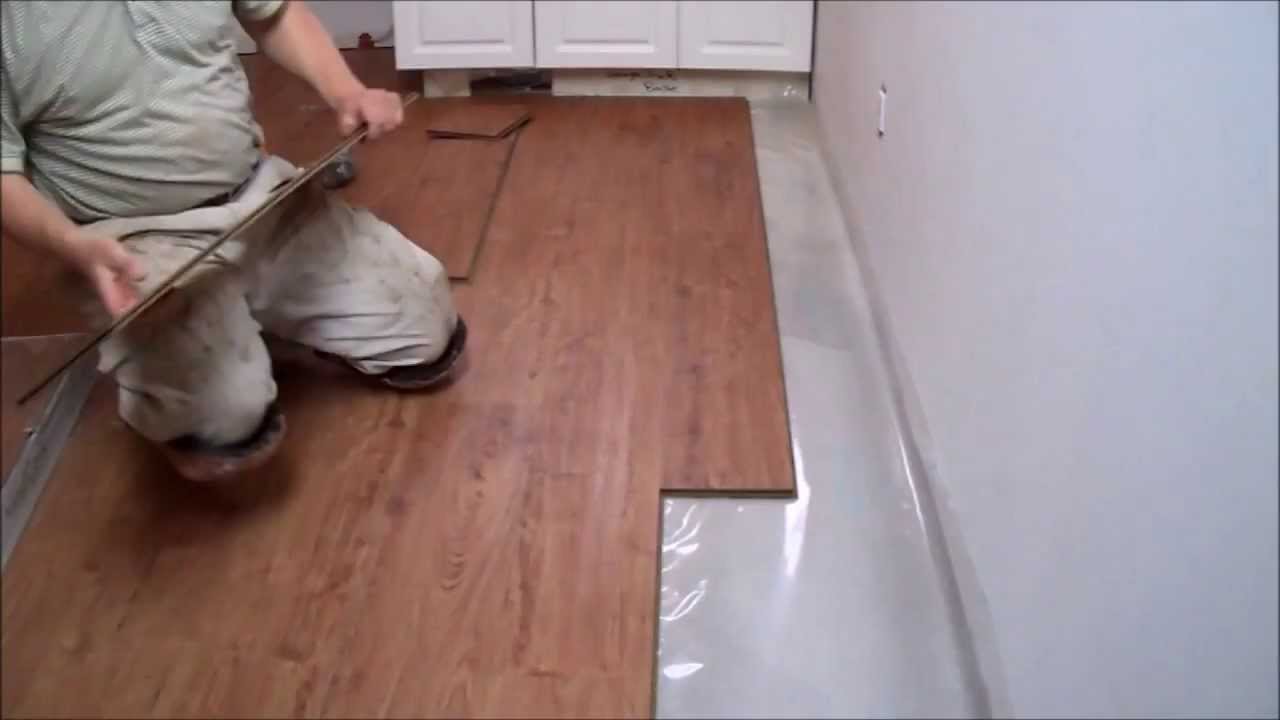
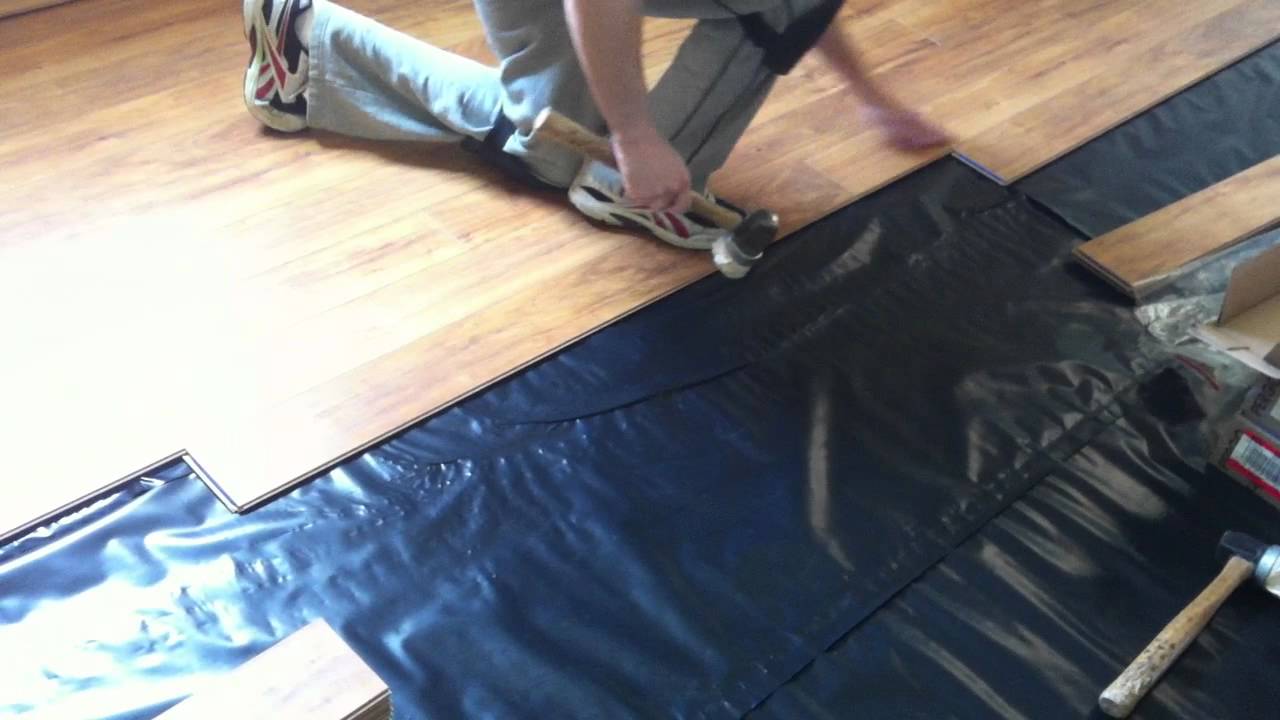
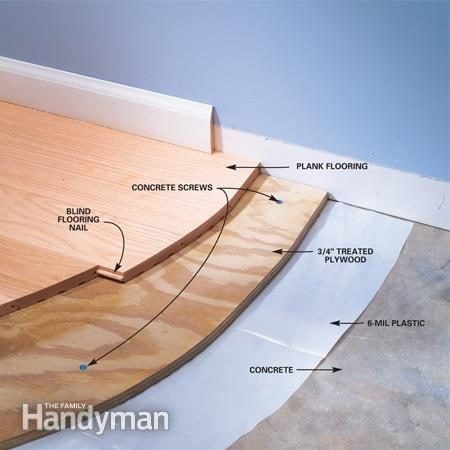
Vapor barrier installation became essential for protecting laminate flooring from concrete moisture transmission. I selected 6-mil polyethylene sheeting with sealed seams and edges that create continuous moisture protection across the entire floor surface. Proper vapor barrier installation requires careful attention to penetrations, edges, and seams that could allow moisture infiltration and subsequent laminate damage.
Dehumidification systems provide ongoing moisture control that protects laminate installations in basement environments. I installed a dedicated dehumidifier to maintain relative humidity below 60% year-round, preventing moisture-related problems that could damage both laminate planks and underlayment materials. Consistent environmental control proves essential for long-term performance and warranty coverage maintenance.
Selecting Appropriate Laminate Products
Thickness considerations become crucial when selecting laminate flooring for concrete installations. I chose 12mm planks over thinner options because increased thickness provides better stability over minor concrete imperfections and improved comfort underfoot on hard surfaces. Thicker laminate also offers superior sound-dampening properties that reduce footstep noise transmission through concrete floors.
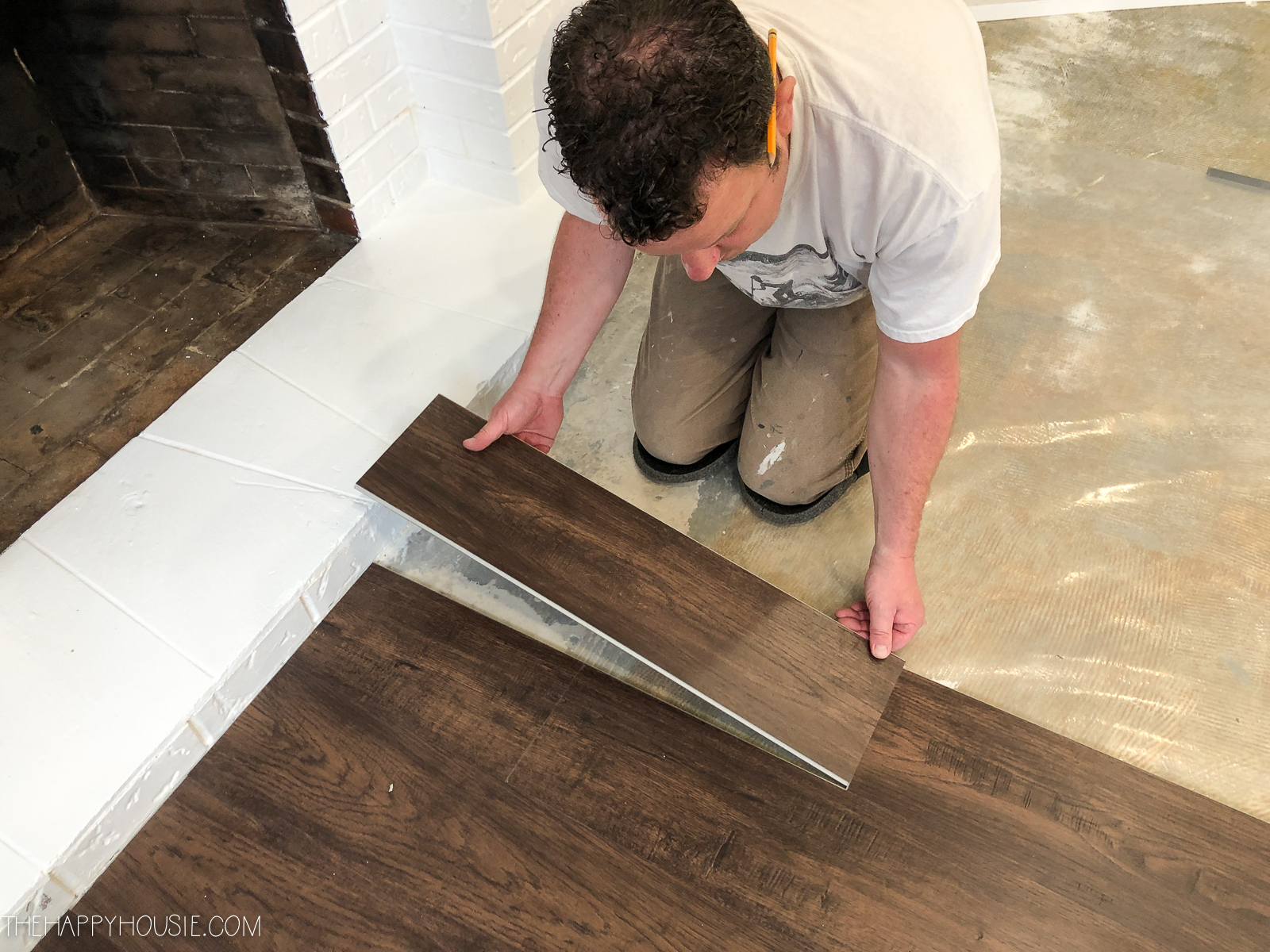
Click-lock systems offer advantages over glue-down installations when working with concrete substrates. I selected floating installation methods that accommodate natural concrete movement without creating stress points that could damage laminate planks. The floating system also allows for future removal or replacement without damaging the concrete surface underneath the installation.
Water resistance ratings vary significantly among laminate products, making selection critical for basement applications where moisture exposure risks remain higher than upper floor installations. I chose laminate with enhanced moisture resistance and sealed edges that provide additional protection against occasional spills and ambient humidity that typically occurs in below-grade environments.
Underlayment Selection and Installation
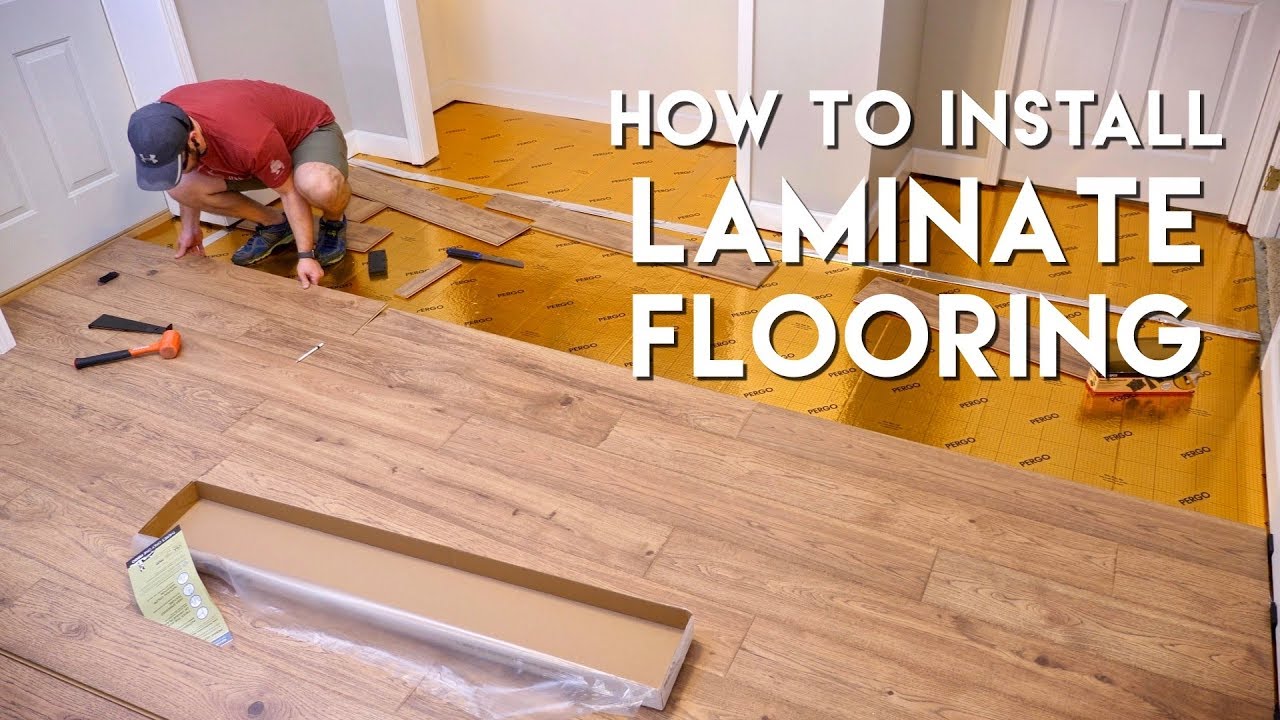
Combination underlayment products that incorporate both cushioning and moisture barriers provide optimal performance for concrete installations. I selected underlayment that combines closed-cell foam padding with integrated vapor barriers, eliminating the need for separate moisture protection systems. This approach simplifies installation while ensuring comprehensive protection against both impact and moisture transmission.
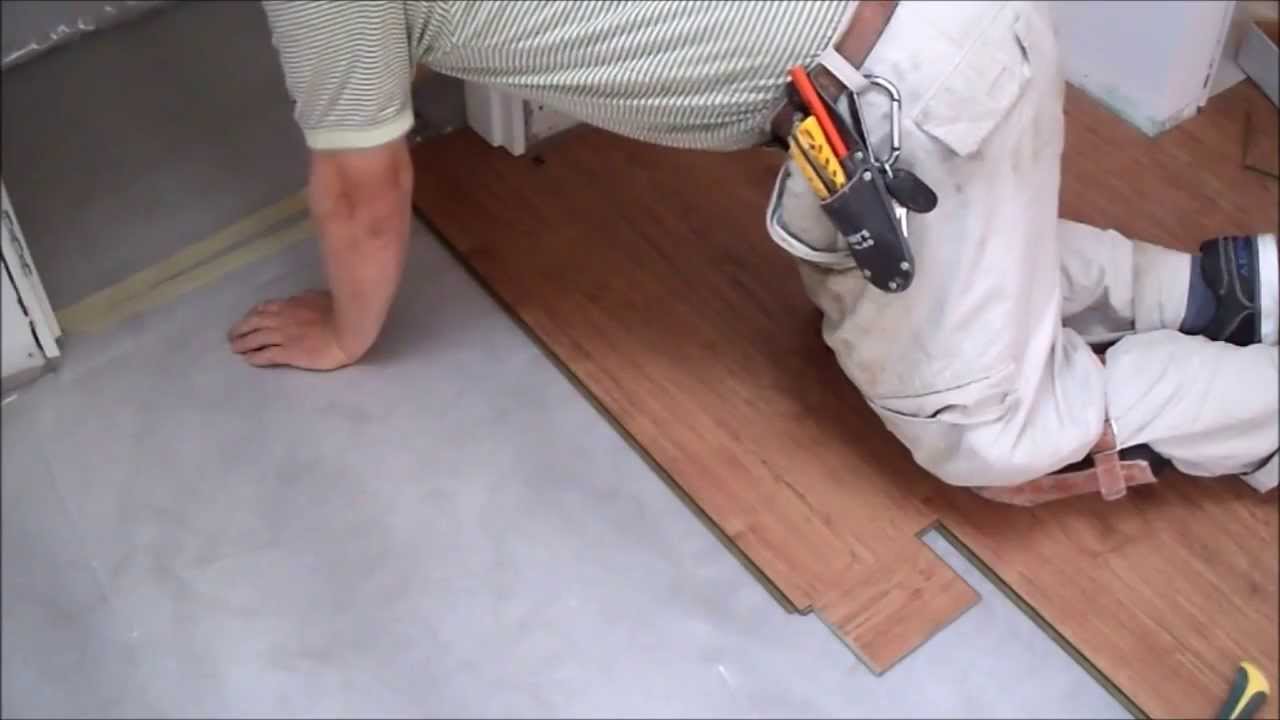
Installation technique for underlayment over concrete requires careful attention to seam sealing and edge treatment. I used waterproof tape to seal all underlayment seams and extended material up walls by several inches to create continuous moisture protection. Proper underlayment installation creates the foundation for successful laminate performance over concrete substrates.
Acoustic properties of underlayment become particularly important over concrete floors that naturally amplify sound transmission. I chose underlayment with superior sound dampening characteristics that reduce both impact noise and airborne sound transmission. This investment in quality underlayment dramatically improved the comfort and livability of my basement space.

Installation Techniques for Concrete Applications
Acclimation requirements for laminate flooring become more critical in basement environments where temperature and humidity variations exceed typical residential conditions. I stored laminate planks in the installation environment for 48-72 hours before beginning work, allowing materials to adjust to local conditions and preventing expansion or contraction problems after installation completion.
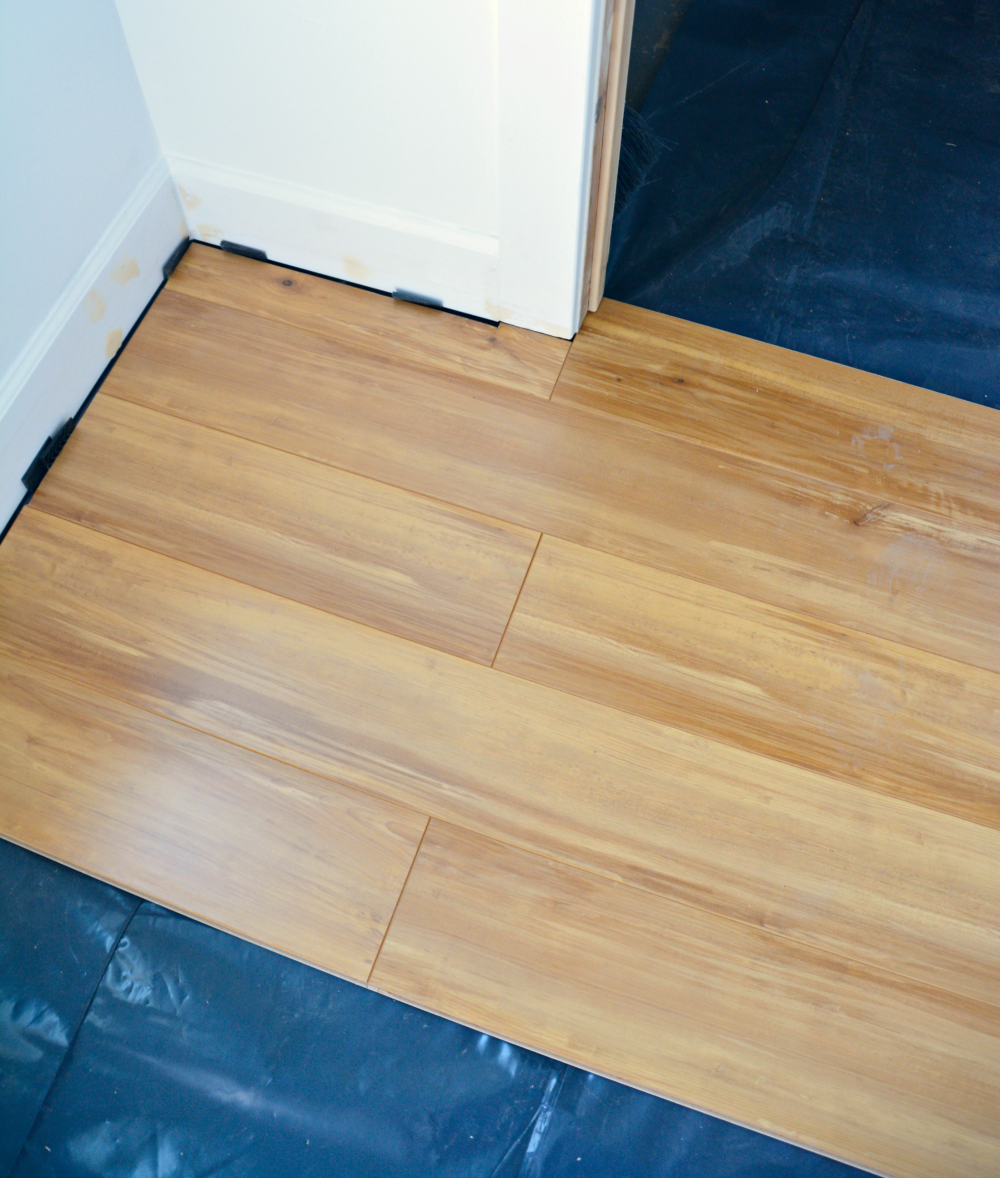
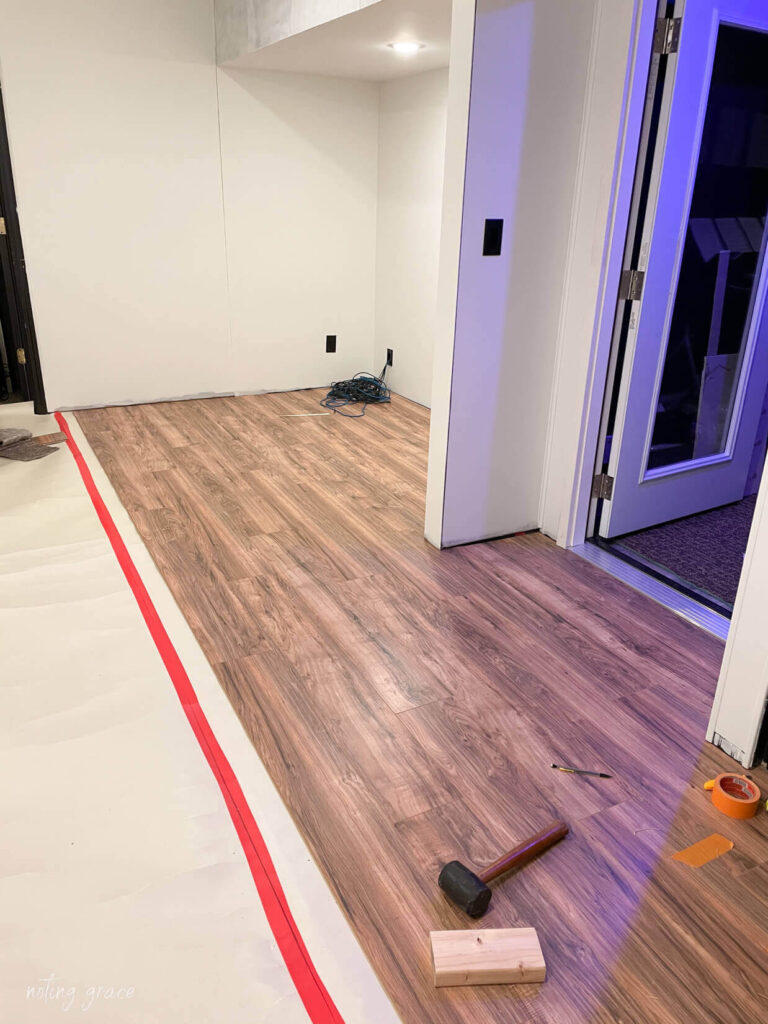
Expansion gap requirements over concrete substrates must account for both laminate movement and potential concrete settling or movement. I maintained 1/4 inch gaps around all perimeter walls and obstacles, using spacers throughout the installation process to ensure consistent spacing. Proper expansion gaps prevent buckling and allow natural movement without damage to the laminate system.
Transition planning becomes essential when laminate flooring meets other surfaces like stairs, bathrooms, or exterior doors. I used appropriate transition strips and thresholds designed for concrete applications that accommodate height differences and provide weather sealing where necessary. Quality transitions complete the professional appearance and protect laminate edges from damage.

Long-Term Performance and Maintenance
Humidity control remains crucial for maintaining laminate flooring performance over concrete in basement environments. I monitor relative humidity levels regularly and adjust dehumidification systems seasonally to maintain optimal conditions. Consistent environmental control prevents moisture-related problems that could compromise the installation and void manufacturer warranties.
Cleaning routines for laminate over concrete require special attention to moisture control and prevention of water infiltration. I use damp mopping techniques with minimal water and ensure complete drying to prevent moisture accumulation along edges or seams. Proper cleaning maintains appearance while protecting the installation from moisture damage that could occur over time.
Inspection procedures help identify potential problems before they become serious issues requiring costly repairs or replacement. I check for signs of moisture infiltration, plank movement, or edge damage quarterly, addressing any issues promptly. Regular maintenance and inspection extend the life of laminate installations over concrete significantly.
How do I know if my concrete floor is suitable for laminate installation?
Moisture testing using calcium chloride tests and relative humidity meters determines concrete suitability for laminate flooring. I performed both surface and in-situ testing over several days to get accurate readings. Concrete moisture levels must fall below manufacturer specifications, typically 3-5 pounds per 1000 square feet for calcium chloride tests and below 75% relative humidity for in-situ testing. Surface preparation including leveling and cleaning is also essential before installation can proceed safely.
What type of underlayment works best over concrete for laminate flooring?
Combination underlayment with integrated vapor barriers and cushioning provides optimal performance over concrete substrates. I selected products specifically designed for concrete applications that combine moisture protection with impact cushioning and sound dampening properties. The underlayment must be rated for use over concrete and provide adequate vapor transmission resistance. Quality underlayment costs more initially but prevents moisture problems and improves comfort significantly.
Can I install laminate flooring directly on concrete without underlayment?
Installing laminate directly on concrete without proper underlayment violates manufacturer warranties and creates moisture, comfort, and durability problems. I learned that underlayment provides essential moisture protection, cushioning, and sound dampening that concrete cannot provide alone. Even moisture-resistant laminate requires underlayment for proper performance and warranty coverage. The cost of quality underlayment represents a small fraction of total project costs while providing essential protection.
How long should laminate acclimate before installation over concrete?
Laminate flooring requires 48-72 hours acclimation in basement environments where temperature and humidity conditions vary more than upper floors. I stored unopened cartons in the installation area, allowing materials to adjust to local conditions before opening packages. Proper acclimation prevents expansion and contraction problems after installation. Rushing this process can void warranties and create performance problems that require costly corrections later.
What maintenance is required for laminate flooring installed over concrete?
Regular humidity monitoring and control prevents moisture-related damage in basement installations over concrete. I check dehumidifier operation monthly and maintain relative humidity below 60% year-round. Cleaning requires damp mopping with minimal water and immediate drying to prevent moisture infiltration. Quarterly inspections for edge damage, plank movement, or moisture signs help identify problems early. Proper maintenance extends installation life significantly.
How much does it cost to install laminate flooring over concrete?
Total costs including materials and professional installation typically range from $6-12 per square foot depending on laminate quality, underlayment selection, and concrete preparation requirements. I spent approximately $8 per square foot for mid-range laminate with quality underlayment and professional installation in my 400-square-foot basement. Moisture testing, surface preparation, and vapor barriers add to basic installation costs but prevent expensive problems later. DIY installation can reduce costs but requires proper tools and techniques.
How to Install Vinyl Plank over Concrete
Installing Wood Flooring Over Concrete
How To Install Laminate Flooring Over Concrete
How To Install Laminate Flooring Over Concrete
How To Install Laminate Flooring Over Concrete
Related Posts: