Laminate flooring tile designs provide homeowners with an affordable and elegant alternative to traditional hardwood or stone flooring. These adaptable tiles mimic the appearance of natural materials while offering durability, ease of maintenance, and quick installation. With advances in printing technology, current laminate tiles may successfully replicate everything from rustic oak to marble, including realistic textures and embossing. Whether you prefer classic or contemporary patterns, laminate tile designs allow for unique layouts that may change any room. Let’s talk about the design alternatives, installation considerations, and maintenance suggestions for getting great results with laminate flooring tiles.
Popular Laminate Tile Patterns and Styles
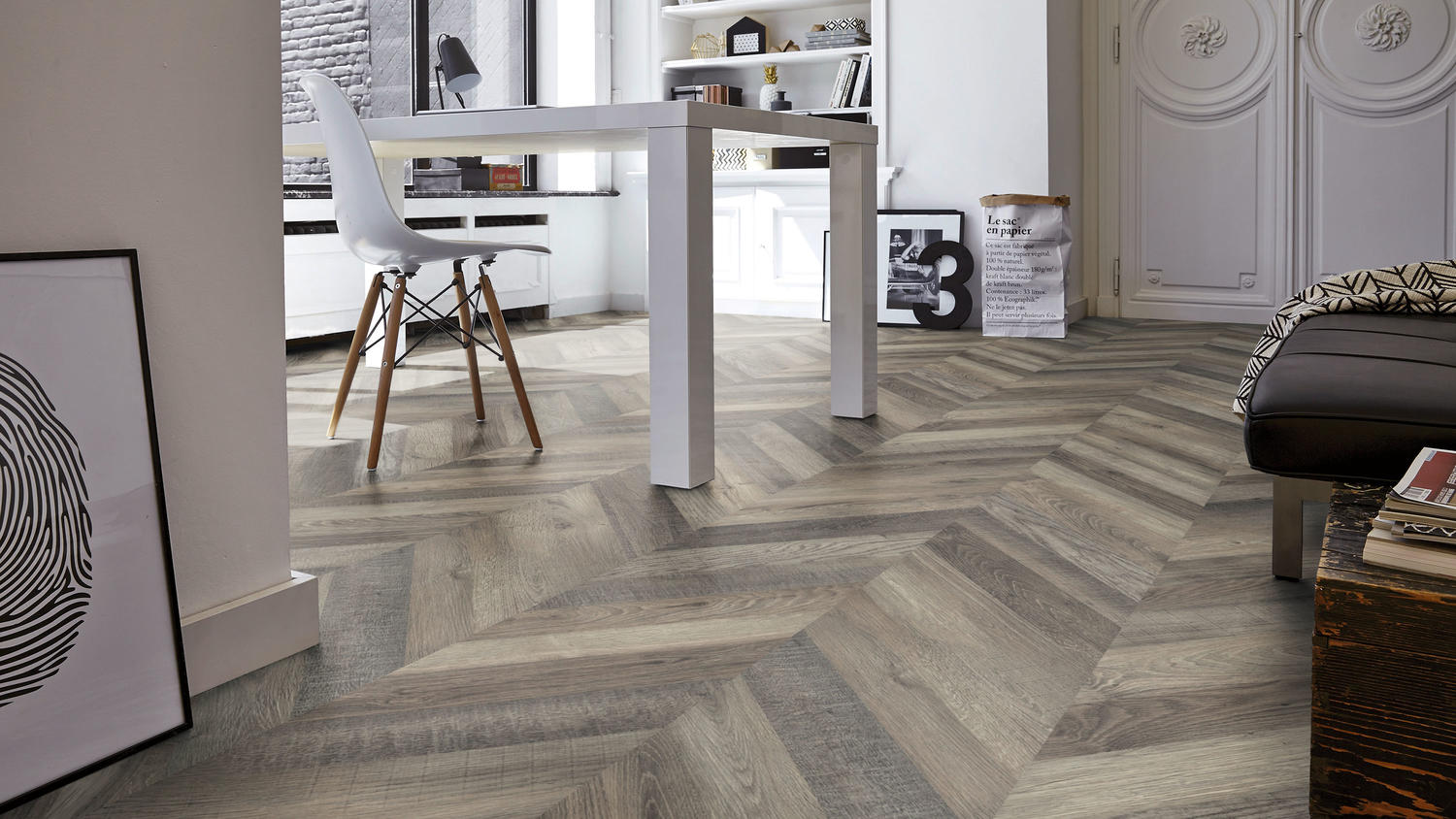
Herringbone and chevron patterns are becoming more popular in laminate tile designs, providing a sophisticated alternative to typical straight lay installations. These geometric layouts add visual appeal and can help tiny areas appear larger. Many manufacturers now provide laminate boards specifically designed for these designs, with precise angles and locking methods that make installation easier. The recurring V shapes are especially effective in entryways and kitchens, where they give movement and elegance to high-traffic areas.
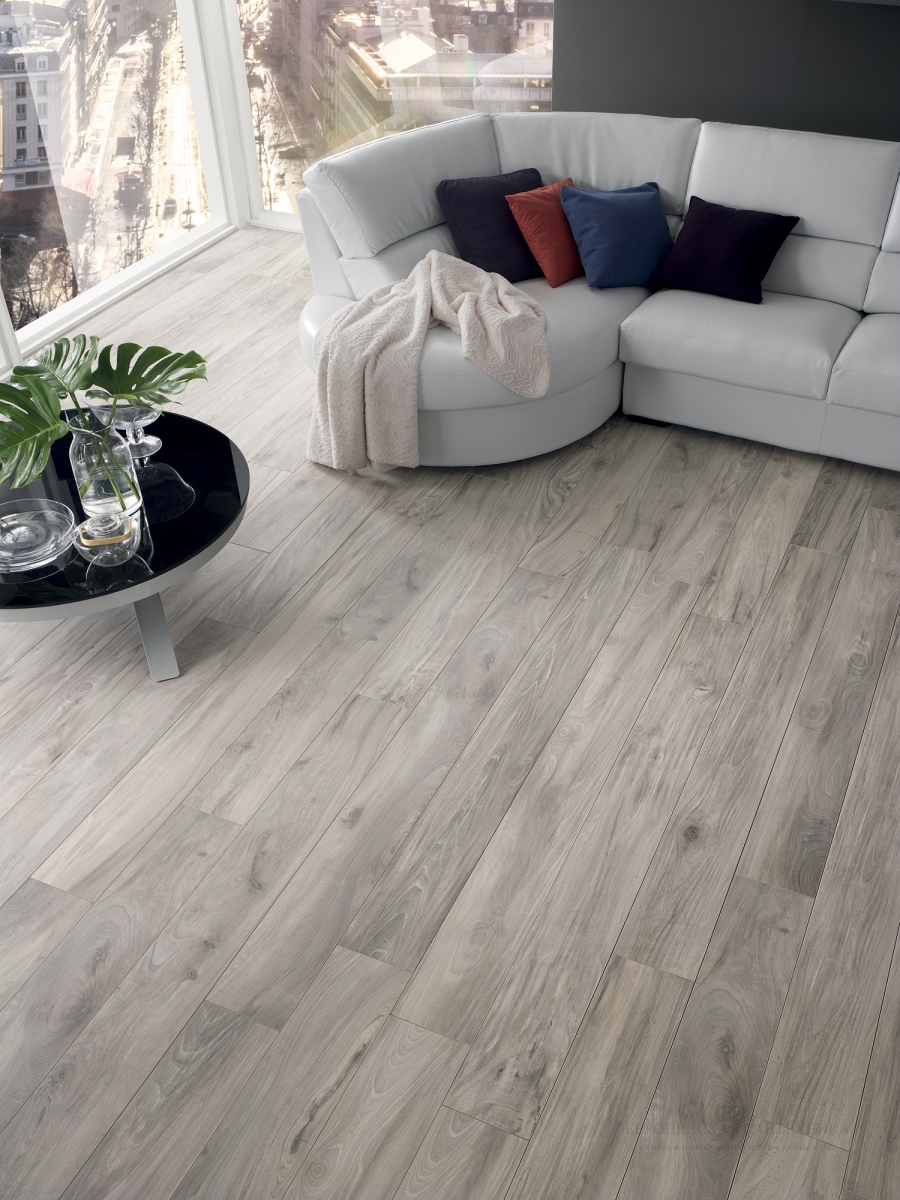
Wood-look laminate tiles remain a popular choice among homeowners seeking warmth and traditional appeal. Current designs have ultra-realistic grain patterns, knot features, and varying board lengths that closely resemble genuine hardwood. Distressed and hand scraped finishes offer character, whereas clean surfaces create a more modern look. Gray and bleached tones continue to be popular, as do basic brown hues, allowing for easy harmony with a variety of color schemes. These wood appearance tiles look well in living rooms, bedrooms, and open concept areas.
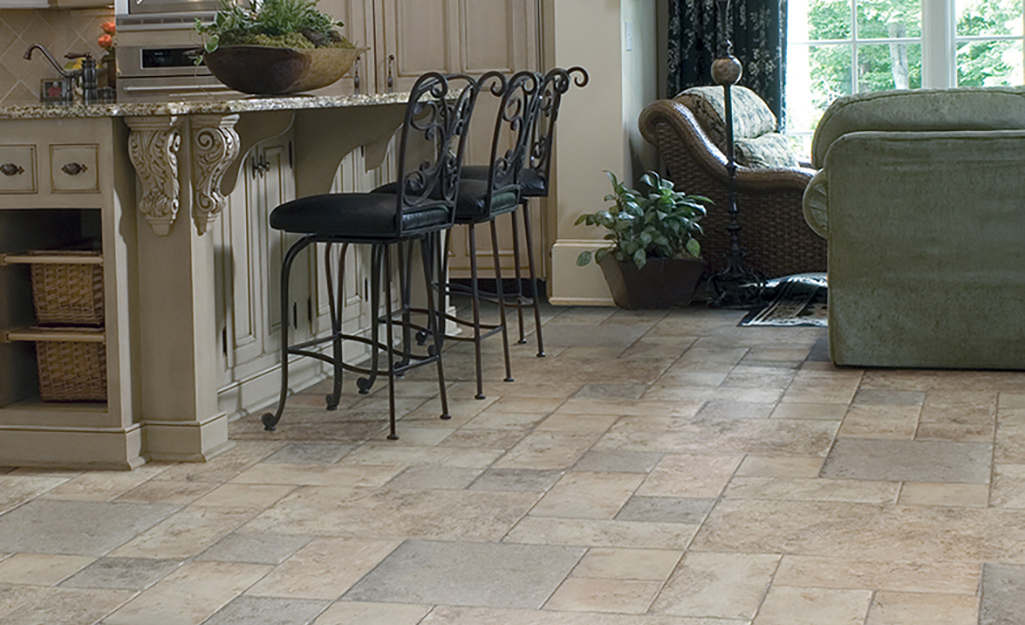
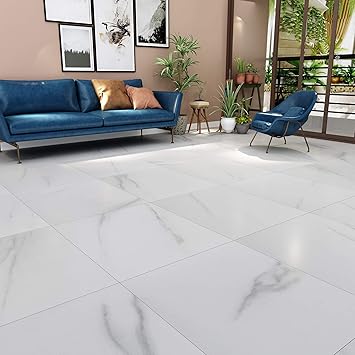
Stone and concrete visual laminate tiles provide an industrial chic impression without the coldness or care requirements of traditional masonry. Slate, travertine, and marble patterns are exquisite choices for bathrooms and kitchens, while concrete designs work well in contemporary lofts and urban settings. Many have rough surfaces that add to the realistic image, as well as slight color changes that seem like authentic stone. Large size tiles offer a seamless effect in modern interiors, whereas mosaic patterns add historic charm to vintage-style homes.
Design Considerations for Different Rooms
In the kitchen, use laminate tiles with water-resistant cores and textured surfaces that provide traction even when wet. Darker wood tones or stone patterns help hide crumbs and spills in between cleanings. When choosing designs, keep the entire kitchen style in mind; traditional oak patterns match rural kitchens, while sleek gray concrete looks suit modern settings. Allow sufficient expansion spaces around cabinets and islands to accommodate seasonal movement.
Prioritize comfort underfoot in living spaces and bedrooms by using attached underlayment alternatives. Lighter wood tones can brighten small rooms, whilst wide plank designs make them feel larger. To generate flow in open floor plans, utilize identical flooring throughout, or distinguish distinct areas with border patterns or different tile directions. Acoustic properties become crucial in these situations, therefore thicker laminate with sound-absorbing properties is worth considering.
Bathrooms and laundry rooms require water resistant laminate that is specifically approved for wet regions. To avoid moisture entry, look for tight locking systems with sealed edges. Smaller tile patterns with grout line effects may offer superior slide resistance than larger format designs. Cool-toned stone images assist create a spa-like ambiance in bathrooms, whereas practical wood looks suit utilitarian laundry rooms. Always check the manufacturer’s moisture warranty for these applications.

Creative Layout and Installation Techniques
Diagonal installations provide energy to laminate tile layouts, moving the eye throughout the room. This method works especially well in square rooms, helping to break up boxy dimensions. While this requires more cutting and potentially more waste, the visual impact frequently rewards the extra effort. Use layout lines snapped from corner to corner as guides, then start from the middle point for balanced results.
Mixed width installations of wood-style laminate tiles produce authentic-looking results. Combining planks of varying lengths, as seen in true hardwood floors, increases authenticity and visual interest. Some manufacturers provide coordinated sets of multiple widths that are intended to function together. This technique is especially effective in large rooms where the diversity is visible, providing character without appearing cluttered.
Border and medallion designs boost laminate floors above standard installs. Wood-look tiles can frame stone pattern centers, while opposing plank directions can create room boundaries. Some manufacturers provide beautiful inlay strips just for this reason. While accurate measurement and cutting are required, these details have the potential to convert plain floors into eye-catching design elements. Always dry lay intricate designs before permanent installation to ensure the visual impression.
Color and Finish Selection Strategies
Light-colored laminate tiles make tiny spaces feel more spacious and light. Whitewashed oak, pale maple, and light gray stone patterns reflect more light, brightening spaces with low natural light. These tones look great in modern and seaside settings, providing clean, fresh backdrops for bright furnishings. However, really light hues may reveal dirt and scratches more easily in high-traffic areas.
Medium tone wood looks are versatile, adding warmth without making rooms feel cramped. Classic oak, hickory, and walnut patterns complement traditional and transitional decors and integrate well with a variety of wall colors. These mid-range colors establish a practical compromise, revealing less dirt than light flooring but avoiding the weighty feel of very dark tones. They function especially effectively in homes that change decor trends over time.
Dark laminate tiles make dramatic and elegant statements in large rooms. Ebony, espresso, and dark walnut colors anchor modern interiors, while deep slate and black marble patterns lend richness to contemporary bathrooms. These deep tones reveal dust and pet hair more easily, necessitating more regular cleaning. Dark floors in sun-filled rooms can help balance bright light and keep interiors from feeling washed out.

Maintenance and Longevity Considerations
Regular sweeping or dry mopping removes abrasive particles that can scratch laminate surfaces. For deeper cleaning, use a microfiber mop that has been slightly wet with a manufacturer-approved cleanser, avoiding excess water that can seep into seams. Spills should be cleaned up right once to avoid moisture from reaching the borders and causing swelling or warping over time. To prevent dents and scratches on furniture legs, place protecting pads underneath them.
Minor damage should be repaired as soon as possible to preserve look and avoid future problems. For scratches, utilize laminate repair kits that include wax fillers or markers in the same color as your floor. More substantial chips may necessitate the replacement of individual tiles, which is simpler with click lock systems than glued down installations. Keep additional tiles from the original installation for such repairs, as dye batches can differ between production runs.
Maintain interior humidity levels between 35 and 65 percent to avoid expansion and contraction difficulties. To maintain consistent conditions, use humidifiers in dry winters and dehumidifiers in humid summers. Steam mops should be avoided, despite their popularity, because the heat and moisture can harm the laminate surface and weaken adhesive bonding over time. With proper care, premium laminate flooring can last 15 to 25 years.
Coordinating With the Overall Interior Design
When choosing laminate tile designs, take into account the existing elements in the room. Choose carpeting that compliments rather than matches prominent wood furniture or cabinetry, resulting in an appealing contrast. For rooms with stone fireplaces or countertops, use laminate tiles that complement rather than compete with them. The floor should complement other design elements without overpowering them.
Colors on the walls should compliment or contrast with those on the floors. Light walls with dark floors provide a stark contrast, whereas equivalent values result in a more cohesive appearance. Simpler floor patterns are frequently better for patterned or textured walls, as they reduce visual clutter. Large flooring pieces should be sampled in the actual space before making a decision, since small swatches can be deceiving.
Transition zones between rooms necessitate careful planning. When changing flooring materials, employ coordinating transition strips to address height discrepancies. In open floor plans, continuous flooring promotes flow, whereas area rugs can assist delineate separate functional zones without requiring permanent divisions. When choosing patterns and colors, always keep adjacent spaces’ sight lines in mind.

Can laminate tiles be put over existing floors?
Laminate tiles can frequently be laid over existing hard, flat surfaces such as vinyl, tile, or wood floors, assuming they are in good shape and properly prepared. The substrate must be clean, dry, and level, with all loose materials secured. However, placing over cushioned vinyl or carpet is not advisable. Always check the manufacturer’s recommendations for specific requirements, and keep in mind that raising height may necessitate adjustments to doors and transitions.
What distinguishes laminate tile from standard laminate board flooring?
Laminate tiles are often smaller in size than regular laminate planks, and are intended to resemble ceramic or stone tile measurements rather than wood boards. Many include grout line embossing for enhanced realism. Installation methods remain consistent, with most relying on click lock systems, while some tile products may require adhesive. The smaller size allows for more elaborate patterns, but it may take longer to install due to the increased number of individual parts.
Are laminate tiles OK for bathrooms?
Only certain water-resistant laminate products are suitable for bathroom use. Look for designs with moisture-resistant cores, tight locking mechanisms, and sealed edges. Despite these characteristics, laminate performs best in powder rooms or bathrooms with adequate ventilation rather than moist areas near showers. Before proceeding with this application, make sure the manufacturer’s warranty includes bathroom installation.
What underlayment is ideal for laminate tiles?
Most laminate tile installations benefit from a thin, solid underlayment that provides slight cushioning and sound absorption while allowing for minimal flex. Foam underlayments of 2 to 3mm thickness are widespread, and some types include moisture barriers. Underlayments with vapor barriers are required for concrete subfloors. Some laminate tiles include pre-attached underlayment, which simplifies installation. Always follow the manufacturer’s compatibility instructions.
Can you make personalized designs with laminate tiles?
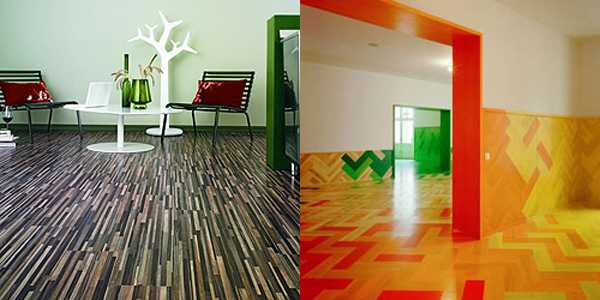
Creative homeowners can create unique designs by combining multiple laminate tile styles or cutting conventional planks into personalized shapes. Herringbone, checkerboard, and border designs are all possible with proper preparation. However, intricate patterns necessitate precise cutting and may result in additional waste. Some manufacturers provide design services or pattern templates to assist with the successful visualization and implementation of custom layouts.
How do you convert from laminate tiles to other flooring?
Proper transitions promote both safety and aesthetic continuity. Use manufacturer-matched T molding for height variances of up to 1/2 inch between floors of comparable thickness. Reducer strips or custom thresholds are options for further versatility. Plan the pattern for doorway transitions so that seams fall under the closed door. Color-matched caulk can help to blend edges against fixed objects such as bathtubs or fireplaces. Always keep the required expansion spaces along all exterior edges.

Livelynine Peel and Stick Floor Tile White 12X12 Inch 32 Pack Self Adhesive Vinyl Flooring Peel and Stick Tiles for Kitchen Bedroom Rental Waterproof
Related Posts: