When I inherited my grandmother’s antique mahogany furniture three years ago, I knew my builder-grade oak laminate flooring wouldn’t do it justice. Real mahogany hardwood was way beyond my budget at $12-15 per square foot, but I discovered high-quality mahogany laminate that looks incredibly authentic for a fraction of the cost.
Installing it in my living room and dining room transformed these spaces into elegant rooms worthy of the heirloom pieces, and guests consistently assume it’s real hardwood until I tell them otherwise.
Choosing Authentic-Looking Mahogany Laminate
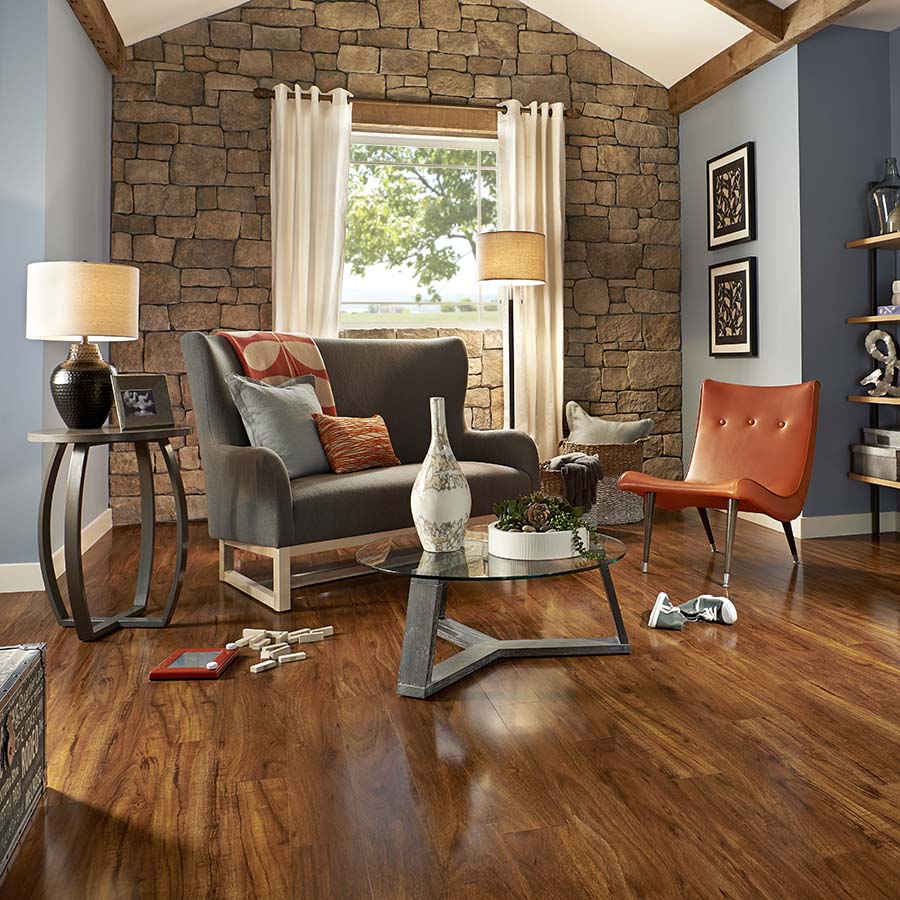
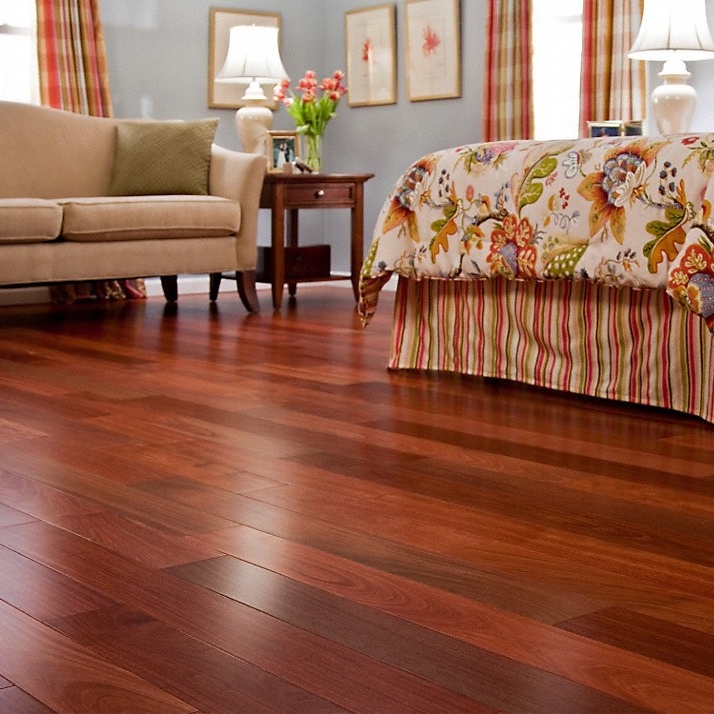
I spent weeks comparing mahogany laminate samples because quality varies dramatically between manufacturers. The best options use high-definition printing technology that captures mahogany’s distinctive reddish-brown tones and complex grain patterns.
I chose a product with embossed-in-register texturing, meaning the surface texture follows the printed grain exactly. When you run your hand across it, the grooves and ridges align with the visual grain pattern, creating a remarkably realistic tactile experience.
The color depth in quality mahogany laminate should have subtle variation rather than uniform flat color. Real mahogany features lighter sapwood streaks, darker heartwood areas, and occasional mineral deposits. I selected laminate with these natural variations printed across different planks. When installed, the floor has organic color changes that mimic real wood rather than looking repetitive or obviously manufactured.
Gloss level matters tremendously for achieving an authentic mahogany look. I avoided high-gloss finishes that scream “fake” and chose a hand-scraped satin finish instead.
The texture adds dimension and the satin sheen looks like traditional hand-rubbed mahogany furniture finishes. Some planks in my selection even have slightly distressed edges that add to the antique, lived-in aesthetic that complements my grandmother’s furniture perfectly.
Installation Process and Professional Results
I hired a professional installer despite laminate’s reputation as DIY-friendly because I wanted perfection for this prominent space. The click-lock installation system he used allowed the floor to float over the existing subfloor with just a thin foam underlayment. This floating method accommodates the natural expansion and contraction that happens with temperature and humidity changes, preventing buckling or gaps that can ruin the appearance.
My installer emphasized the importance of acclimating the laminate before installation. We brought the boxes into my climate-controlled living room five days early, stacking them with spacers between each box for air circulation. This allowed the planks to adjust to my home’s temperature and humidity. Skipping acclimation can cause the floor to expand or contract after installation, creating problems that are expensive to fix.
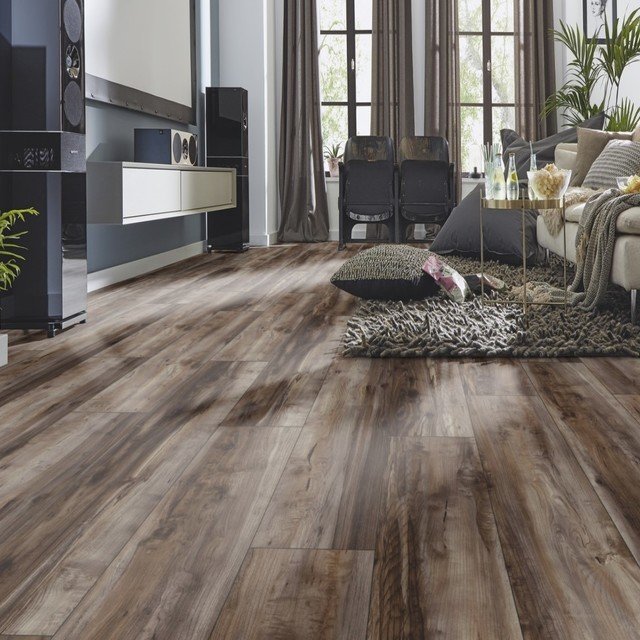
The installation direction made a surprising difference in how the mahogany laminate looks. We ran the planks parallel to the longest wall and toward the main light source from my large windows. This orientation allows light to travel along the grain, highlighting the rich reddish tones and creating depth. Running perpendicular would have created more shadow lines that could make the beautiful mahogany color appear muddy rather than luminous.
How Light Affects Mahogany Laminate Appearance
The transformation in how my mahogany laminate looks throughout the day amazed me. Morning light streaming through east-facing windows brings out warm amber undertones, making the floor almost glow. Afternoon sun from the west highlights the deeper burgundy tones. Even evening artificial light from my warm LED bulbs makes the mahogany richness apparent. This color-changing quality mimics real mahogany wood and keeps the space feeling dynamic.
I learned to work with rather than fight this light sensitivity when decorating. I chose window treatments that filter rather than block light, allowing the mahogany tones to shine without fading concerns. The laminate’s UV-resistant coating protects against sun damage, but I still use sheer curtains during peak sun hours. This diffused lighting brings out the floor’s beauty while protecting my investment from unnecessary UV exposure.
The interaction between my mahogany floor and artificial lighting required consideration. Cool-toned LED bulbs made the reddish mahogany look purple and unnatural. I switched to warm white bulbs (2700-3000K) that complement the floor’s natural warmth. The right lighting temperature makes the laminate look rich and authentic rather than artificial. This attention to lighting details significantly impacts whether mahogany laminate reads as luxurious or obviously fake.

Pairing Mahogany Laminate with Furniture and Decor
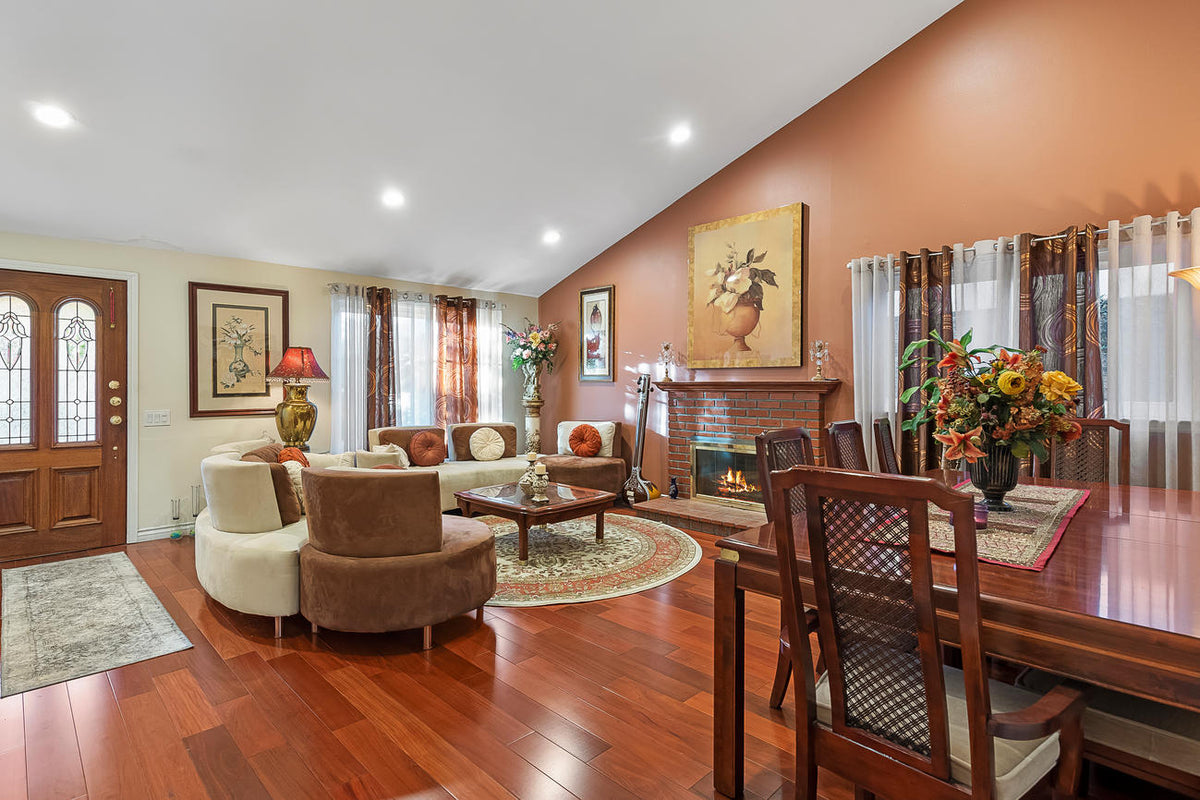
My inherited mahogany furniture was the inspiration for this flooring choice, and seeing them together validated the decision. The matching wood tones create cohesion that makes the room feel intentionally designed. However, I learned that perfect matching can look flat and boring. I mixed in lighter oak and walnut pieces that provide contrast while still complementing the mahogany floor’s warmth.
Wall color selection became crucial with such dominant flooring. I initially painted the walls a warm beige that disappeared against the mahogany, making everything blend together muddily. I repainted in a soft gray-blue that provides beautiful contrast, making both the walls and floor pop. Cool wall tones balance the warm floor, preventing the space from feeling too heavy or monotone. This color contrast creates visual interest and sophistication.
Area rugs required careful selection to work with mahogany’s richness. I chose Persian-style rugs with deep reds, blues, and golds that pull colors from the mahogany while adding pattern. Natural jute rugs work well too, providing textural contrast without color competition. I avoided cool-toned rugs in grays or silvers that clashed with the warm mahogany. The right rugs layer over the laminate, adding comfort and visual complexity to the design.

Durability and Maintenance Reality Check
After three years of daily use, my mahogany laminate has held up impressively well. I chose an AC4 rated product designed for heavy residential traffic, and it shows minimal wear despite constant use. The few scratches that have appeared are barely visible against the complex grain pattern and hand-scraped texture. Darker mahogany tones hide imperfections better than light floors, maintaining their appearance over time.
The protective wear layer on quality laminate is crucial for longevity. My mahogany laminate has an aluminum oxide coating that resists scratches, stains, and fading. I’ve dropped kitchen items, dragged furniture during rearranging, and dealt with pet traffic without significant damage. The finish hasn’t dulled or worn through in high-traffic areas, which sometimes happens with cheaper laminate after just a year or two.
Daily maintenance is simple and low-effort. I sweep or vacuum twice weekly to prevent dirt from acting as sandpaper on the surface. For deeper cleaning, I use a barely damp microfiber mop with laminate-specific cleaner once a week. The dark mahogany color is forgiving, not showing dust or light debris as obviously as blonde floors would. This practical benefit means my floor looks cleaner longer, requiring less frequent maintenance than lighter options.
Cost Analysis and Value Proposition
I paid $3.50 per square foot for premium mahogany laminate, compared to $12-15 for real mahogany hardwood. For my 600 square feet of living and dining space, laminate cost approximately $2,100 while real mahogany would have been $7,200-9,000. The $5,000+ savings allowed me to invest in quality furniture and window treatments that complete the elegant look I wanted. The value proposition made my vision achievable on a realistic budget.
Installation costs were comparable whether I chose laminate or hardwood, around $2-3 per square foot for professional work. The real savings came in material costs. Some people argue that hardwood adds more home value, but in my market, buyers care more about appearance and condition than whether flooring is solid wood or quality laminate. A beautiful, well-maintained mahogany laminate floor looks expensive and adds perceived value.
Long-term cost considerations also favor laminate. Hardwood requires periodic refinishing at $2-4 per square foot every 7-10 years. My laminate’s protective coating means no refinishing ever, just routine cleaning. While laminate can’t be refinished if seriously damaged, the likelihood of needing replacement in 15-20 years seems low given current condition. The lifetime cost difference between laminate and hardwood continues favoring laminate even accounting for eventual replacement.
Does mahogany laminate look fake or obviously not real wood?
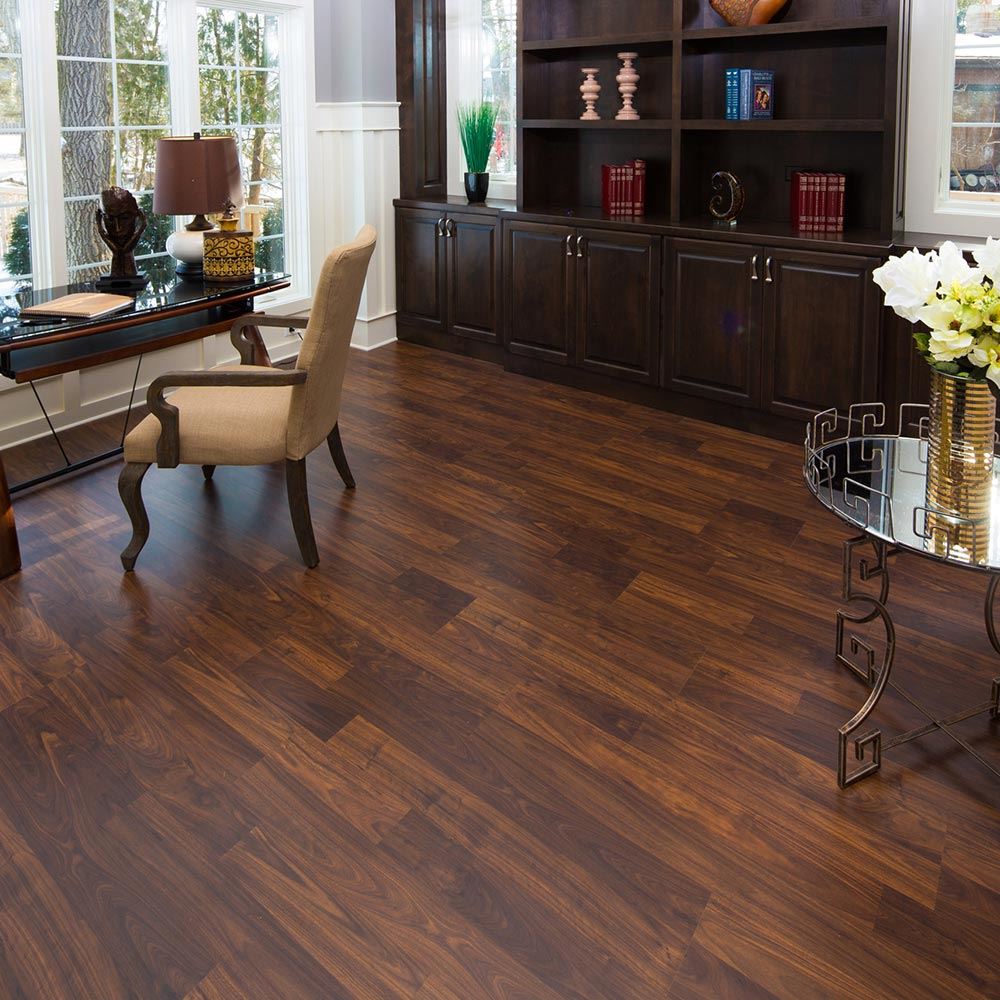
Quality mahogany laminate looks remarkably authentic. My guests regularly assume it’s real hardwood until I tell them otherwise. The key is buying premium products with realistic grain patterns, color variation, and proper texturing. Cheap laminate does look fake, but spending $3-5 per square foot gets you convincing results that rival real wood’s appearance.
Will mahogany laminate fade or change color over time?
My floor has shown minimal fading after three years despite sunlight exposure. Quality laminate has UV-resistant coatings that protect against color change. I use sheer curtains during peak sun to extend longevity, but the protection is built into the product. Fading is much less of an issue than with real mahogany, which darkens significantly over time.
Is mahogany laminate too dark for small rooms?
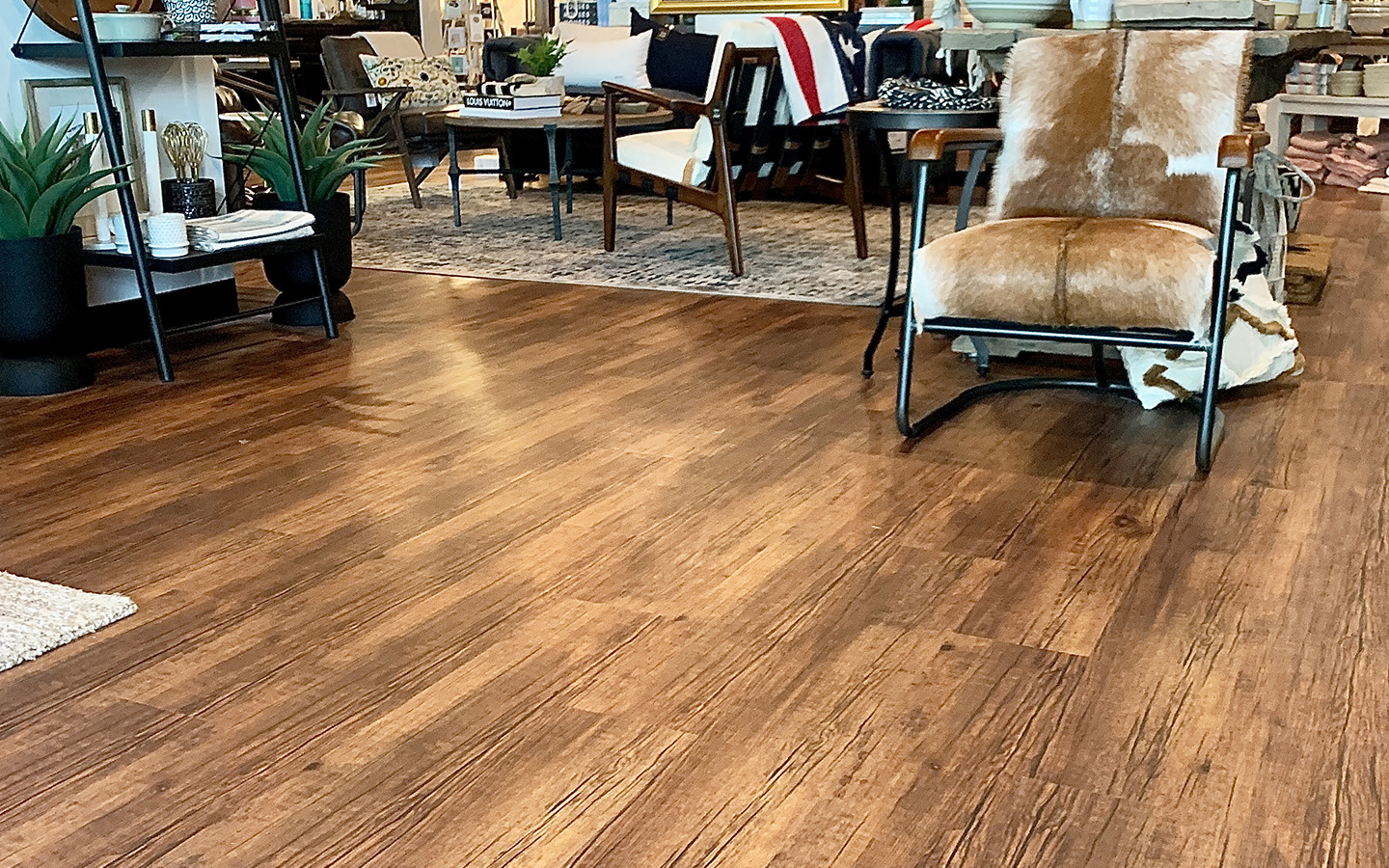
It can be, but proper lighting helps. My dining room is only 12×14 feet, and the dark mahogany works because of good natural light and adequate artificial lighting. I’d hesitate using it in a windowless basement or north-facing room without compensating with excellent lighting. Consider lighter mahogany tones for smaller or darker spaces.
How does mahogany laminate handle scratches compared to lighter colors?
Darker mahogany hides scratches better than light floors in my experience. Scratches on light laminate show as dark marks, while scratches on dark mahogany blend into the grain and color variations. The hand-scraped texture I chose also camouflages minor surface damage. This forgiving nature keeps mahogany laminate looking better longer.
Can I install mahogany laminate over existing floors?
Often yes. I installed mine over old vinyl with great results. The existing floor must be smooth, level, clean, and firmly attached. Remove any loose material or severely damaged areas. Some situations require complete removal down to the subfloor, but floating laminate is more forgiving than glue-down options about what’s underneath.
Does mahogany laminate work in modern or contemporary spaces?
Absolutely. While mahogany has traditional associations, I’ve seen it work beautifully in modern settings paired with clean lines and contemporary furniture. The key is keeping other elements simple and letting the floor be the warm, organic element. Mixed with whites, grays, and minimalist design, mahogany laminate adds necessary warmth without feeling dated or fussy.
Related Posts: