When I bought my house five years ago, the bamboo floors looked tired and worn, with scratches from the previous owner’s pets and years of heavy foot traffic. Everyone told me to rip them out and start fresh, but something about those floors spoke to me. I decided to try refinishing them myself, and it turned out to be one of the most rewarding home improvement projects I’ve ever tackled. Here’s everything I’ve discovered about reviving bamboo floors.
Understanding Your Bamboo Before You Start
I quickly learned that not all bamboo flooring is created equal, and this makes a huge difference when refinishing. My floors were solid bamboo planks, which meant I could sand them multiple times throughout their lifespan. However, I discovered that many modern bamboo floors are actually engineered with just a thin bamboo layer on top, and these can only handle light sanding or might not be refinishable at all.
The age of my bamboo also played a crucial role in the refinishing process. Older bamboo tends to be denser and more durable, while some newer products can be softer and more prone to damage during sanding. I spent time testing small, inconspicuous areas first to see how the material would respond to different grits of sandpaper before committing to the full refinishing process.
Understanding the grain direction was another learning curve for me. Unlike traditional hardwood, bamboo has a unique grain pattern that requires careful attention during sanding. I made the mistake of going against the grain in one section, which resulted in some scratches that required extra work to remove. Taking time to examine your specific bamboo type before starting can save hours of frustration later.
The Sanding Process: My Trial and Error Experience
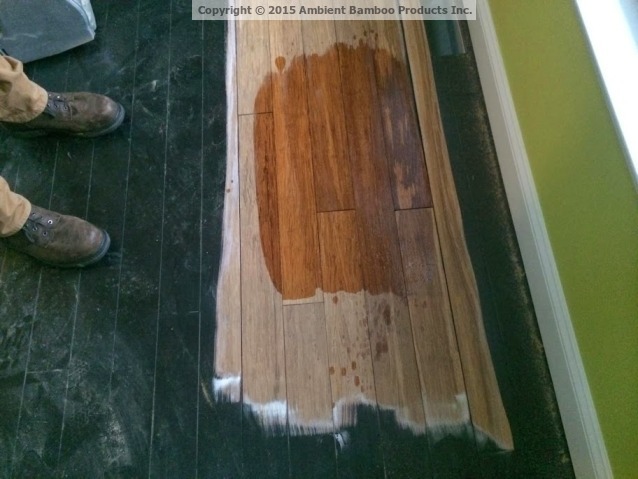
I started with a drum sander, thinking I could power through the job quickly, but bamboo taught me patience the hard way. The material is incredibly hard, and aggressive sanding can cause splintering and tear-out that’s nearly impossible to fix. I switched to an orbital sander with progressively finer grits, starting at 60 grit and working my way up to 120 grit for the final pass.
The dust created during bamboo sanding is unbelievable, and I wasn’t prepared for it. I had to stop halfway through the first room to buy better dust collection equipment and seal off the rest of the house more thoroughly. Bamboo dust is finer than traditional wood dust and seems to get into everything, so proper ventilation and dust control are essential for your health and sanity.
One surprise was how unevenly some areas sanded compared to others. Bamboo can have varying densities even within the same plank, which means some spots require more aggressive sanding while others are ready for the next grit much sooner. I learned to work in small sections and pay attention to how each area was responding rather than trying to maintain the same pace across the entire floor.
Choosing the Right Finish for Bamboo
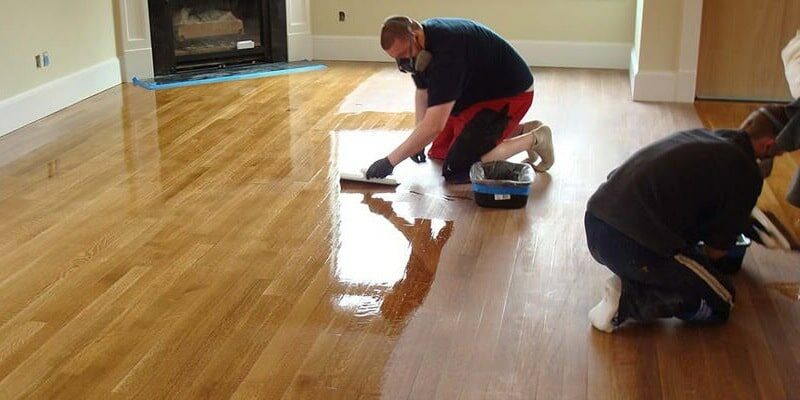
The finish selection process was more complicated than I expected because bamboo behaves differently from traditional hardwood. I initially chose a standard polyurethane finish, but the first test area looked cloudy and uneven. My local flooring expert explained that bamboo’s density can cause some finishes to sit on the surface rather than penetrate properly, leading to adhesion problems down the road.
I ended up going with a water-based polyurethane specifically designed for exotic hardwoods, and the difference was remarkable. The finish went on smoothly and created a crystal-clear protective layer that made the natural bamboo grain pop. I applied three thin coats with light sanding between each coat using 220-grit sandpaper, which gave me a durable, professional-looking result.
The curing time was longer than I anticipated, especially with water-based finishes on bamboo. I had to keep my family and pets off the floors for a full week, even though the product claimed a 24-hour cure time. Bamboo seems to slow down the curing process, and rushing back onto the floors too early can leave permanent marks in the finish that are impossible to remove without starting over.
Tools and Equipment I Wish I’d Had From the Start
My biggest mistake was trying to cut corners on equipment rental. I started with a basic orbital sander from the hardware store, but it took forever to make progress on the hard bamboo surface. Upgrading to a professional-grade random orbital sander cut my sanding time in half and gave me much more consistent results across the entire floor surface.
Dust collection became my obsession after the first day of sanding. I initially tried to get by with opening windows and using box fans, but bamboo dust is so fine that it was coating everything in my house. I invested in a proper dust collection system with HEPA filtration, and it made the entire process so much more manageable and healthier for my family.
The applicator for the finish was another learning experience. I started with a regular brush, but it left visible brush marks in the final coat that looked unprofessional. Switching to a high-quality microfiber roller designed for floor finishes gave me the smooth, even application I was looking for. Sometimes spending a little more on the right tools makes all the difference in the final result.
Timeline and Project Management Lessons
What I thought would be a weekend project turned into nearly three weeks of work, mostly because I underestimated the prep time and drying periods. Each room took me about two full days of sanding, followed by thorough cleaning, then another day for applying multiple coats of finish. I learned to plan for much longer than my initial estimates, especially when working around family life and daily routines.
The logistics of moving furniture and living in a construction zone were harder than the actual refinishing work. I had to empty rooms and find temporary storage for everything, which meant my house was in chaos for weeks. Next time, I would tackle one room at a time rather than trying to do the whole house simultaneously, even though it means more setup and cleanup time overall.
Weather played a bigger role than I expected in both the sanding and finishing phases. High-humidity days made the finish take much longer to cure properly, while very dry days seemed to cause the finish to set up too quickly, making it harder to maintain a wet edge while applying. I learned to check weather forecasts and plan my finishing days around optimal conditions for the best results.

Long-Term Results and Maintenance Tips
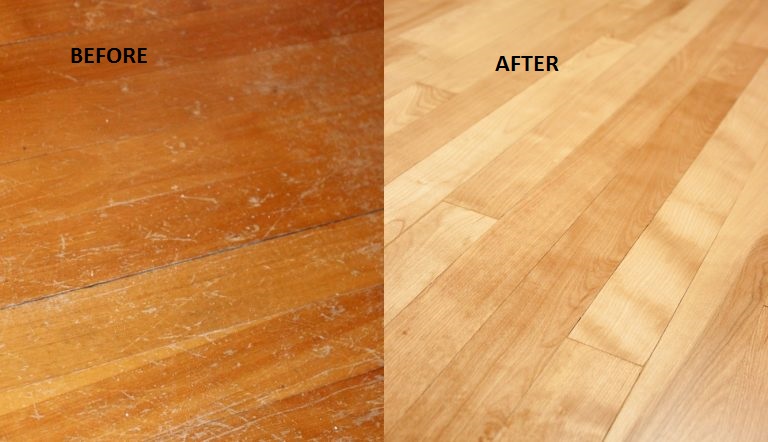
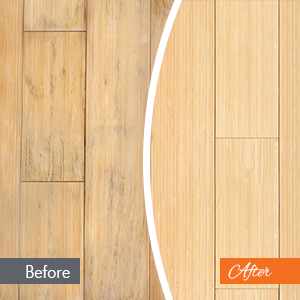
Two years after finishing the refinishing project, I’m thrilled with how the floors have held up. The bamboo has that beautiful, warm honey color that I remember from when the floors were new, and the finish has proven to be incredibly durable despite heavy traffic from kids and pets. Regular sweeping and monthly damp mopping with a pH-neutral cleaner keep them looking gorgeous with minimal effort.
I’ve noticed that the bamboo shows scratches differently than traditional hardwood; they tend to be less noticeable because of the grain pattern, but when they do show, they’re often deeper. I keep wood markers that match the bamboo color for quick touch-ups, and most minor scratches can be buffed out with a little paste wax and elbow grease during my monthly maintenance routine.
The biggest surprise has been how well the finish has maintained its clarity and adhesion. I was worried about the water-based polyurethane yellowing or peeling over time, but it still looks as clear and protective as the day I applied it. I think taking the time to choose the right product and apply it properly has paid off in longevity, and I expect these floors to look great for many years to come.

How difficult is it to refinish bamboo floors yourself compared to hiring professionals?
It’s more challenging than I initially expected, mainly because bamboo is so hard and requires patience. The sanding takes much longer than traditional wood, and you need proper equipment. If you’re handy and have time, it’s doable, but the learning curve is steep, and mistakes can be costly to fix.
How long do refinished bamboo floors typically last before needing another refinishing?
Based on my research and experience, properly refinished bamboo floors should last 8-12 years before needing attention again, depending on traffic and care. The finish I used still looks great after two years with no signs of wear, so I’m optimistic about reaching that timeframe in my home.

What’s the biggest mistake people make when refinishing bamboo floors?
Rushing the sanding process and using too aggressive grit sandpaper initially. Bamboo is incredibly hard, so it’s tempting to use coarse sandpaper to speed things up, but this often causes splintering and tear-out that’s nearly impossible to repair. Start with finer grits and be patient with the process.
Can you refinish engineered bamboo flooring the same way as solid bamboo?
No, and this is crucial to understand before starting. Engineered bamboo has only a thin bamboo layer on top, so it can usually only handle one light sanding, if any. I was lucky to have solid bamboo planks. Always check with the manufacturer or test a small area to determine what type of bamboo you have.

How much did the DIY refinishing project cost compared to replacement or professional refinishing?
I spent about $400 on equipment rental, sandpaper, and finish for 800 square feet. Professional refinishing quotes were around $3-4 per square foot, and replacement would have been $8-12 per square foot. Even with equipment costs, DIY saved me thousands, though it required significant time investment.
What’s the most important tip for maintaining newly refinished bamboo floors?
Immediate cleanup of spills and use of proper cleaning products designed for finished floors. I learned that bamboo, even when refinished, can still be sensitive to standing water and harsh chemicals. Regular sweeping and monthly damp mopping with pH-neutral cleaners keep them looking perfect with minimal effort.
Can Bamboo Flooring Be Sanded and Refinished? [A Complete Guide]
Non-Sandable Floor Refinishing N-Hance of Redding, Chico
Related Posts: