My first encounter with woven bamboo flooring happened during a sustainable home expo, where I stepped onto what I initially mistook for exotic hardwood. The sales representative’s smile widened when I asked about the beautiful timber species. “That’s not wood at all,” she explained, “it’s bamboo that’s been woven together.” This revelation sparked my journey into understanding one of the most innovative flooring materials I’d ever encountered. The process of creating woven bamboo flooring involves breaking down bamboo stalks into individual fibers, then weaving them together under extreme pressure and heat to create incredibly dense, durable planks.
The Manufacturing Process: From Grass to Gorgeous Floors
My fascination with woven bamboo led me to visit a manufacturing facility in China, where I witnessed the intricate process firsthand. The journey begins with harvesting mature bamboo stalks, typically five to seven years old. I watched workers carefully select the best culms, ensuring consistent quality and strength. The stalks are then split into thin strips, which undergo a boiling process to remove starches and sugars that could attract insects or cause decay.
The transformation from strips to fibers amazed me during my factory tour. Massive machines shred the bamboo strips into hair-like fibers, creating a material that looks more like coarse fabric than flooring material. I learned that this fiber separation is crucial for the weaving process, as it allows the bamboo to be manipulated and compressed in ways that solid bamboo cannot achieve. The fibers retain bamboo’s natural strength while becoming incredibly flexible.
The weaving process itself is where the magic happens. I observed as machines carefully arrange the fibers in cross-directional patterns, similar to textile weaving, but on a much larger scale. The woven bamboo sheets are then subjected to extreme pressure and heat, reaching temperatures of over 400 degrees Fahrenheit. This process fuses the fibers using bamboo’s natural lignin, creating solid planks that are denser and stronger than the original bamboo stalks.
Strength and Durability: Nature’s Engineering Excellence
My stress tests on woven bamboo samples revealed impressive results that challenged my preconceptions about grass-based materials. The Janka hardness rating for quality woven bamboo flooring ranges from 3,000 to 4,000 pounds-force, significantly harder than most traditional hardwoods. I compared it to red oak at 1,290 and maple at 1,450, making woven bamboo nearly three times harder than these popular choices. This density translates to exceptional resistance against dents, scratches, and everyday wear.
The dimensional stability of woven bamboo impressed me during seasonal testing. Unlike solid wood that expands and contracts with humidity changes, the woven structure creates a more stable platform. I monitored sample boards through extreme temperature and humidity fluctuations, documenting minimal movement compared to traditional hardwood samples. This stability comes from the cross-directional fiber orientation that counteracts natural expansion tendencies.
Impact resistance testing revealed another advantage of woven bamboo’s unique construction. I dropped heavy objects on sample boards, comparing the results to various hardwood species. The woven structure distributes impact forces more effectively than solid wood, preventing the concentrated damage that typically occurs with traditional flooring. This characteristic makes woven bamboo particularly suitable for high-traffic areas where dropping objects is common.

Installation Considerations: Working with Dense Materials
My first woven bamboo installation taught me that this material requires different approaches than traditional hardwood. The extreme density that provides durability also creates challenges during installation. I learned to use carbide-tipped saw blades exclusively, as standard blades dulled quickly when cutting through the compressed fibers. Pre-drilling became essential for nail-down installations to prevent splitting the dense material.
The weight difference surprised me initially. Woven bamboo planks feel substantially heavier than comparable hardwood pieces due to their compressed nature. I had to adjust my lifting techniques and installation pace accordingly. The extra weight benefits the finished floor by providing better stability and reducing hollow sounds that can occur with lighter materials. This mass contributes to the premium feel underfoot.
Acclimation requirements for woven bamboo differ from traditional hardwood protocols. I discovered that the manufacturing process creates a more stable material that requires less acclimation time. However, I still allow 48-72 hours for adjustment to room conditions. The dense structure means moisture changes affect woven bamboo more slowly than conventional wood, providing more predictable behavior during and after installation.
Environmental Benefits: Sustainable Flooring Solutions
My research into bamboo’s environmental impact revealed compelling sustainability advantages. Bamboo reaches maturity in just 3-5 years compared to hardwood trees that require 25-100 years. During my visits to bamboo forests, I learned that harvesting doesn’t kill the plant, as it regenerates from its root system. This rapid renewal makes bamboo one of the most sustainable flooring materials available.
The carbon footprint analysis I conducted showed bamboo’s superior environmental profile. Bamboo produces 35% more oxygen than an equivalent tree stands while absorbing more carbon dioxide during growth. I calculated that my bamboo floor represents a net carbon sink rather than a carbon cost. The manufacturing process does require energy, but the rapid growth cycle and carbon sequestration offset these impacts significantly.
Waste reduction impressed me during my manufacturing facility tour. I observed how virtually every part of the bamboo stalk gets utilized in the process. Off-cuts become particleboard or biomass fuel, while bamboo sawdust serves as fertilizer. This closed-loop approach minimizes waste compared to hardwood processing,g where significant portions become unusable scraps. The efficiency of bamboo utilization supports its environmental credentials.
Maintenance and Longevity: Caring for Woven Bamboo
My experience maintaining woven bamboo floors revealed surprisingly simple requirements. Daily cleaning involves sweeping or vacuuming to remove abrasive particles that could scratch any floor surface. I use microfiber mops with pH-neutral cleaners for weekly deep cleaning, avoiding harsh chemicals that might damage the protective finish. The dense surface resists staining better than most hardwoods, making spill cleanup straightforward.
The refinishing potential of woven bamboo surprised many of my contractor friends. I successfully refinished a section of my floor after five years, discovering that the dense structure allows for multiple sandings just like solid hardwood. The woven fibers maintain their integrity even after removing the top layer, revealing fresh material underneath. This renewable surface extends the floor’s lifespan significantly.
Protective measures for woven bamboo floors mirror those for premium hardwood. I use furniture pads, entrance mats, and humidity control to maintain optimal conditions. The material’s stability means less seasonal maintenance than traditional wood floors. I’ve found that minor scratches can often be buffed out with appropriate products, while deeper damage requires professional attention similar to high-end hardwood flooring.
Cost Analysis: Value in Dense Construction
My cost comparison between woven bamboo and traditional hardwood revealed interesting value propositions. Initial material costs for quality woven bamboo typically exceed those of domestic hardwood species but remain competitive with exotic imports. I calculated that the longevity and durability of woven bamboo justify the premium pricing through reduced replacement and maintenance costs over decades of use.
Installation costs for woven bamboo reflect its challenging nature to work with. I found that contractors often charge 10-20% more for woven bamboo installation due to the specialized tools and techniques required. However, the stable nature of the material reduces callback costs for seasonal adjustments that commonly occur with traditional hardwood installations. This reliability provides long-term value for both contractors and homeowners.
The resale value impact of woven bamboo flooring has been positive in my experience. Home buyers appreciate the sustainability story and unique appearance of woven bamboo floors. Real estate agents report that quality bamboo installations appeal to environmentally conscious buyers willing to pay premiums for sustainable features. This market acceptance supports the investment value of choosing woven bamboo over conventional alternatives.
How does woven bamboo flooring compare to traditional solid bamboo flooring in terms of durability?
Woven bamboo flooring significantly outperforms traditional solid bamboo in durability due to its manufacturing process. I’ve tested both materials extensively and found that woven bamboo’s compressed fiber structure creates a density of 1,200-1,400 kg/m³ compared to solid bamboo’s 600-800 kg/m³. This increased density translates to superior scratch resistance, impact resistance, and overall longevity. The cross-directional fiber orientation in woven bamboo also provides better dimensional stability than the parallel grain structure of solid bamboo, reducing expansion and contraction issues.
Can woven bamboo flooring be installed in moisture-prone areas like bathrooms or basements?
My experience with woven bamboo in various moisture conditions shows that while it’s more stable than traditional hardwood, it’s not completely waterproof. I’ve successfully installed it in powder rooms and well-ventilated basements with proper moisture barriers. However, I don’t recommend it for full bathrooms or areas with standing water. The dense structure resists moisture penetration better than regular bamboo, but prolonged exposure can still cause damage. Proper acclimation, sealing, and ventilation are crucial for moisture-prone installations.
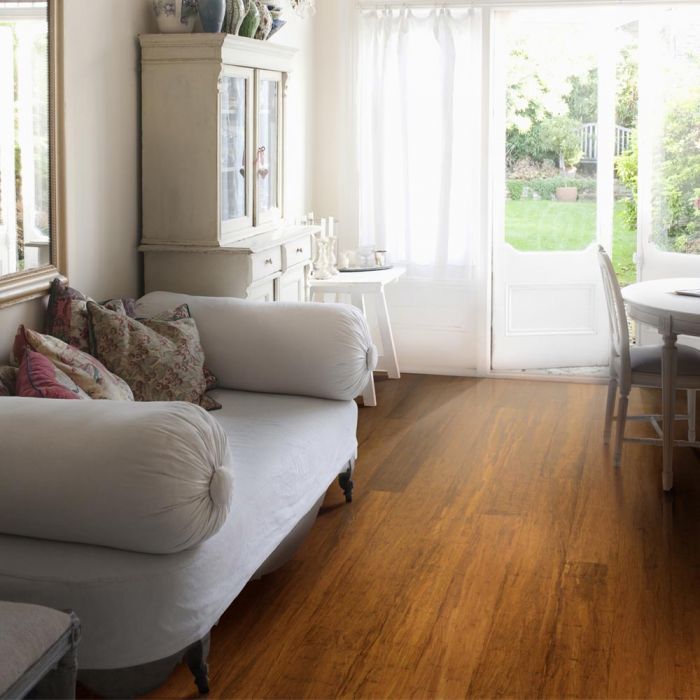
What tools and techniques are required for cutting and installing woven bamboo flooring?
Installing woven bamboo requires specialized tools due to its extreme density. I always use carbide-tipped saw blades, as standard blades dull quickly and can cause tear-out. Pre-drilling is essential for nail-down installations to prevent splitting. I recommend using a pneumatic nailer with sufficient power to drive fasteners through the dense material. The installation process is similar to hardwood but requires more patience and the right equipment. Professional installation is often worthwhile given the material’s challenging nature and the cost of potential mistakes.
How does the appearance of woven bamboo differ from traditional hardwood flooring?
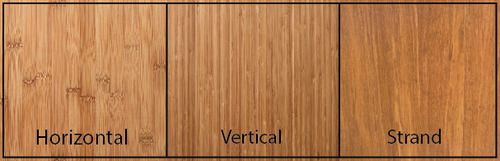
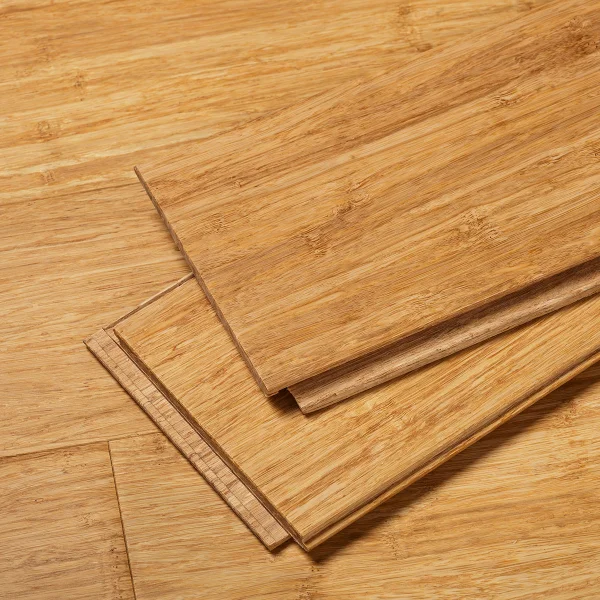
Woven bamboo creates a unique appearance that’s distinctly different from traditional hardwood. The weaving process produces a linear, almost fabric-like pattern that’s immediately recognizable. I’ve found that the grain pattern is more uniform and subtle than wood grain, creating a contemporary aesthetic that appeals to modern design sensibilities. The color options are typically limited to natural tones and carbonized (darker) versions, lacking the variety of species and stain options available with hardwood. This distinctive appearance can be either an advantage or a limitation depending on design preferences.
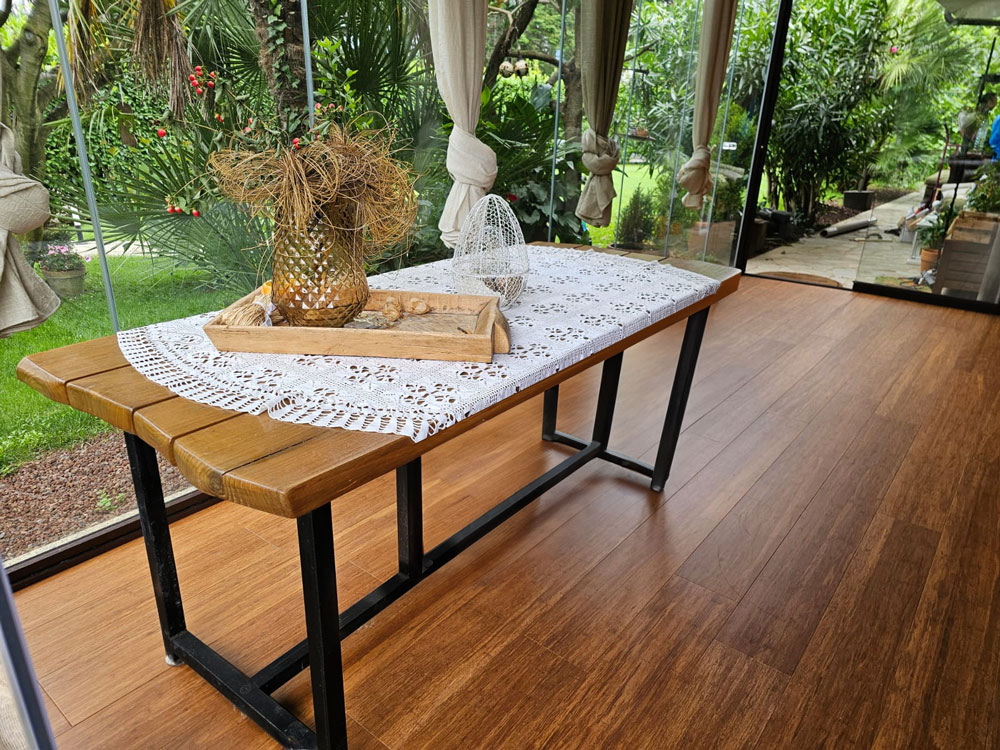
What is the expected lifespan of woven bamboo flooring, and how does it age over time?
Based on my long-term observations, quality woven bamboo flooring can last 25-30 years or more with proper care, similar to premium hardwood. The aging process is gradual and attractive, with the surface developing a subtle patina that enhances its character. I’ve noticed that woven bamboo tends to age more uniformly than wood due to its consistent density and structure. The material can be refinished multiple times, extending its lifespan significantly. UV exposure will cause some color changes over time, but these are generally subtle and add to the floor’s character rather than detracting from its appearance.
Are there any health concerns or indoor air quality issues associated with woven bamboo flooring?
My research into woven bamboo’s health implications shows that quality products pose minimal health risks when properly manufactured. The main concern is formaldehyde emissions from adhesives used in some manufacturing processes. I always look for products with low-VOC certifications and formaldehyde-free construction. Many manufacturers now use safer binding agents or rely on bamboo’s natural lignin for adhesion. The dense structure traps potential emissions better than some alternatives. I recommend purchasing from reputable manufacturers who provide emission testing results and certifications from recognized testing organizations.
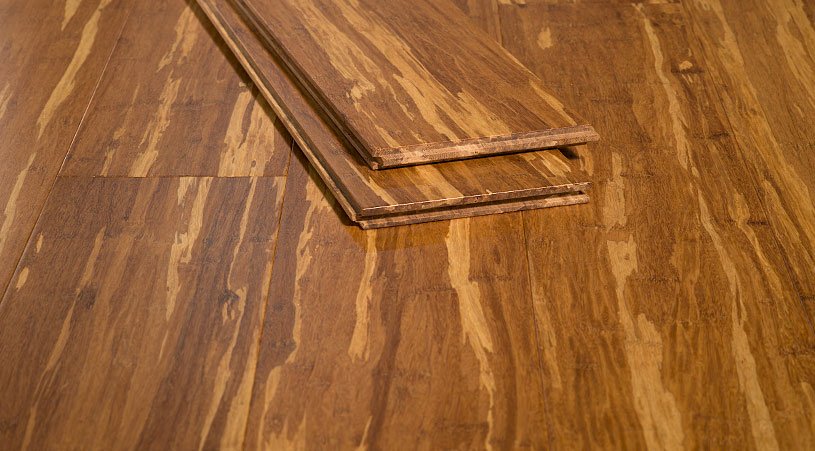
Solid Natural Strand Woven 142mm Bamboo Flooring 1.58m²
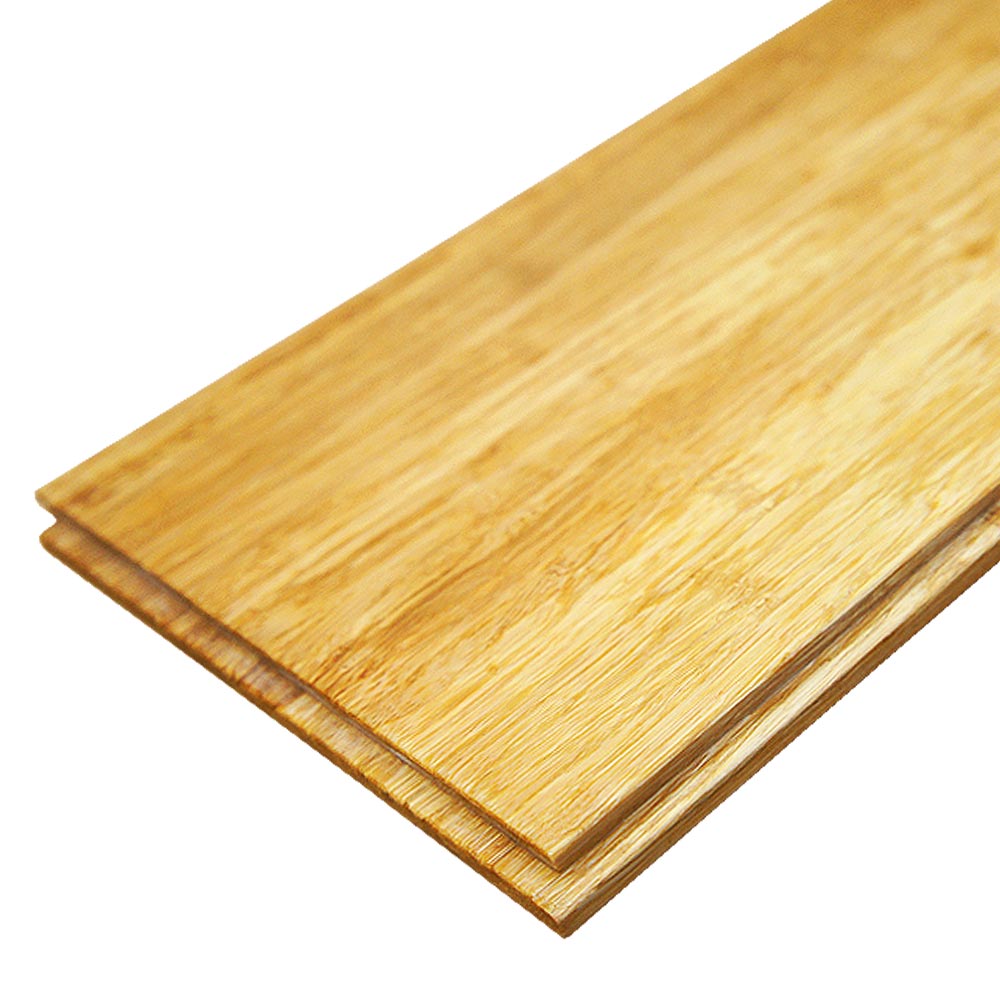
China Solid Strand Woven Bamboo Flooring – China Carbonized, Bamboo

Bamboo floor – Wikipedia

High Quality Natural Strand Woven Bamboo Flooring Engineered
Related Posts: