When I decided to finally do something about my dingy, stained garage floor, I spent weeks going back and forth on color and product options. Gray epoxy seemed like the obvious choice, the safe and predictable pick that everyone defaults to. But I kept coming back to white.
It felt bright, clean, and surprisingly bold for a garage. Once I committed and got the project done, the transformation was so dramatic that neighbors actually stopped to ask what I had done differently. Here’s everything I learned from painting my garage floor white, from picking the right product to keeping it looking sharp months later.
Why White Is a Bolder and Better Choice Than You’d Think
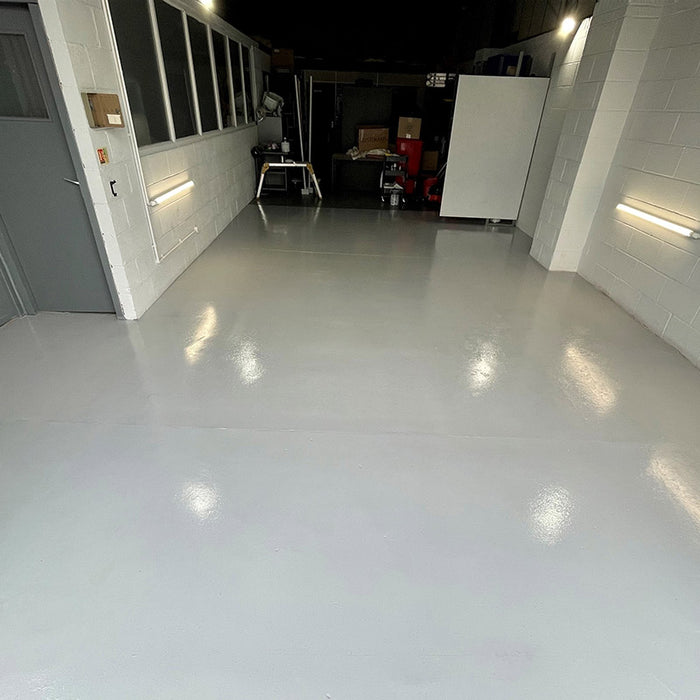
A lot of people I talked to thought white was a strange choice for a garage floor. Their first concern was always dirt and tire marks, which is a fair thing to think about. But what I found after doing the project is that white actually makes my garage feel significantly larger, brighter, and more like a functional workspace than it ever did with bare concrete.
The light that reflects off a white floor is genuinely remarkable. My garage has two small windows and an overhead fluorescent light, and before painting, it always felt dim and cave-like no matter what I did.
After applying white floor paint, that same lighting setup now bounces off the floor and fills the whole space with a clean, even brightness that makes working in there so much more pleasant.
White also forces you to stay on top of cleanliness in a way that I’ve actually come to appreciate. Because stains and spills show up more readily, I deal with them sooner rather than letting them sit and set.
The floor stays cleaner as a result, and the garage as a whole feels more organized and intentional. It shifted my relationship with the space in a way I didn’t expect going in.

Understanding Your Paint Options: Epoxy, Latex, and Polyurea
Before I bought anything, I did a lot of reading on the different types of garage floor paint available, and the differences matter a lot more than most product packaging makes clear. The three main categories are latex paint, epoxy coatings, and polyurea coatings, and they vary significantly in durability, cost, and how much prep work they require before application.
Latex paint is the most affordable and easiest to apply, but it’s also the least durable option for a garage environment. It chips and peels relatively quickly under vehicle traffic and chemical exposure, and I ruled it out pretty fast once I understood how much abuse a garage floor actually takes. It might work for a low-traffic storage space, but for an active garage, it’s a short-term solution at best.
I ended up going with a two-part epoxy kit, which requires mixing a resin and hardener before application. It’s more involved than rolling on latex paint, but the resulting surface is significantly harder, more chemical-resistant, and far more durable. Polyurea is an even more professional-grade option that cures faster and handles temperature extremes better, but it’s also more expensive and less forgiving to apply without experience. For a confident DIYer, epoxy hits the right balance.
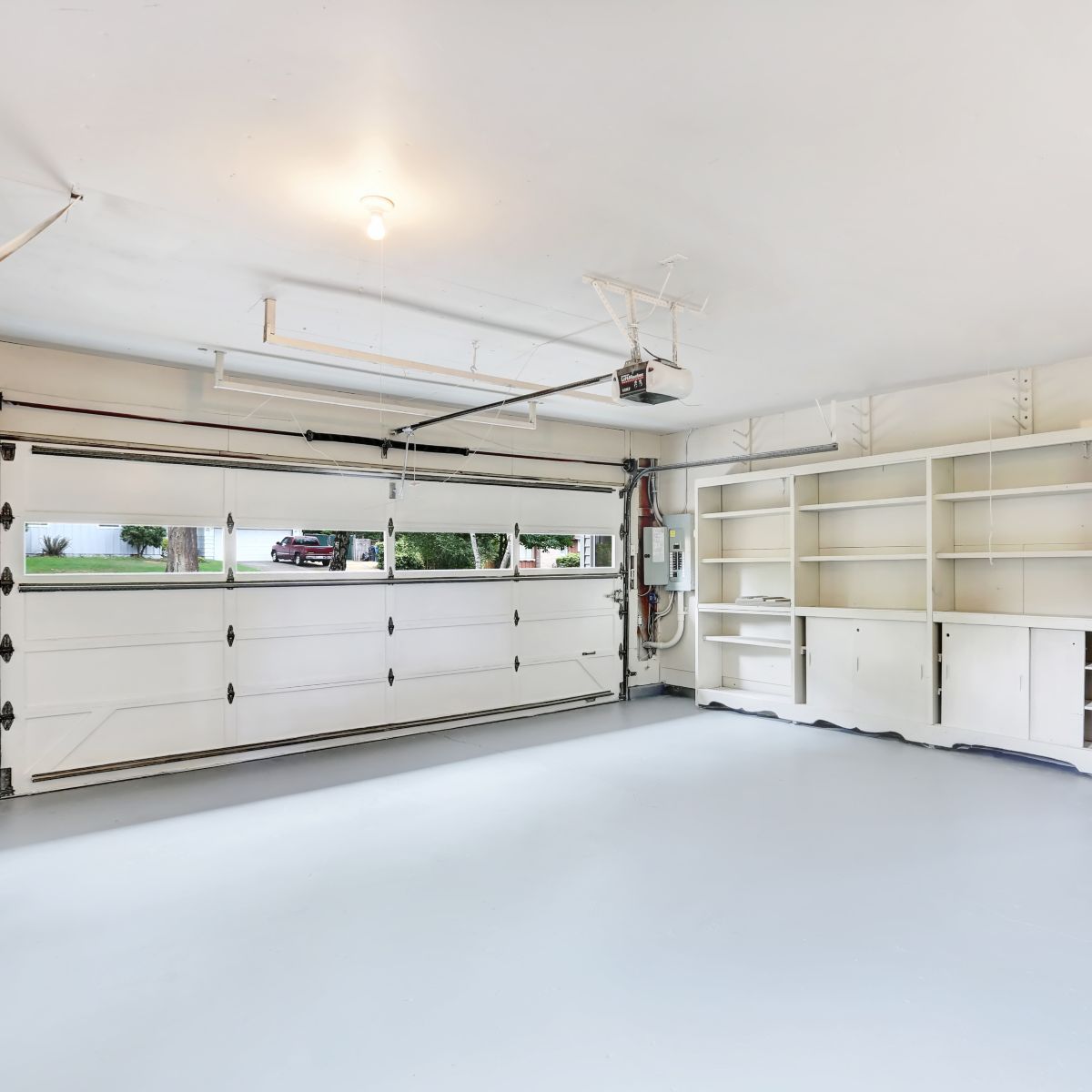
Preparing Your Concrete: The Step That Determines Everything
I’ll be direct about this: the preparation stage is where most DIY garage floor projects succeed or fail, and it took me longer than the actual painting itself. Concrete is porous and often contaminated with oil, grease, and old sealers that will prevent paint from bonding properly if not addressed thoroughly before you open a single can.
The first thing I did was a simple water test. I splashed water in several spots across the floor, and anywhere the water beaded rather than soaking in told me there was a sealer or contamination preventing absorption. Those areas needed degreasing and etching before any coating would stick. I used a concrete degreaser first, scrubbing it in with a stiff brush and rinsing thoroughly, then followed up with an acid etching solution to open up the concrete’s pores.
After etching, I rinsed multiple times, let the floor dry completely for a full 24 hours, and then did a final inspection for cracks and chips. I filled any significant cracks with a concrete filler and let that cure before moving on. Skipping or rushing any part of this process is the number one reason garage floor paint peels within months. The prep is unglamorous but it is absolutely everything when it comes to how long your finished floor holds up.
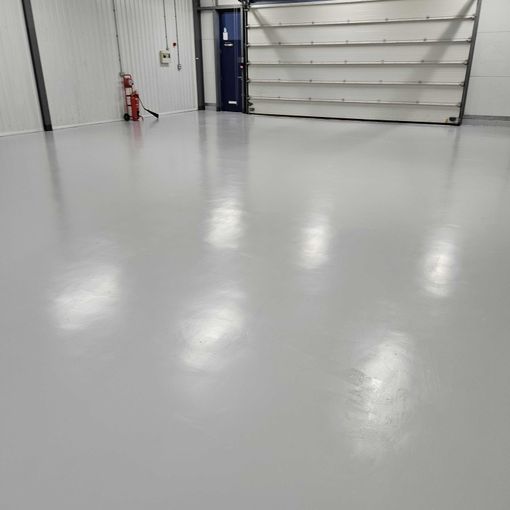
Applying White Epoxy: Tools, Technique, and Timing
Once the floor was fully prepped and dry, I mixed my two-part epoxy according to the manufacturer’s instructions, which is a step you want to follow precisely. The ratio of resin to hardener has to be right for the chemical reaction to work properly, and once mixed, you have a limited working window before the epoxy starts to set. I mixed in smaller batches to make sure I wasn’t wasting material or rushing the application.
I used a 3/8-inch nap roller for the main floor area and a brush for cutting in along the walls and in tighter corners. Working in sections from the back of the garage toward the door kept me from painting myself into a corner, which sounds obvious but is genuinely easy to forget when you’re focused on getting coverage right. I applied two coats total, letting the first cure for the recommended time before adding the second.
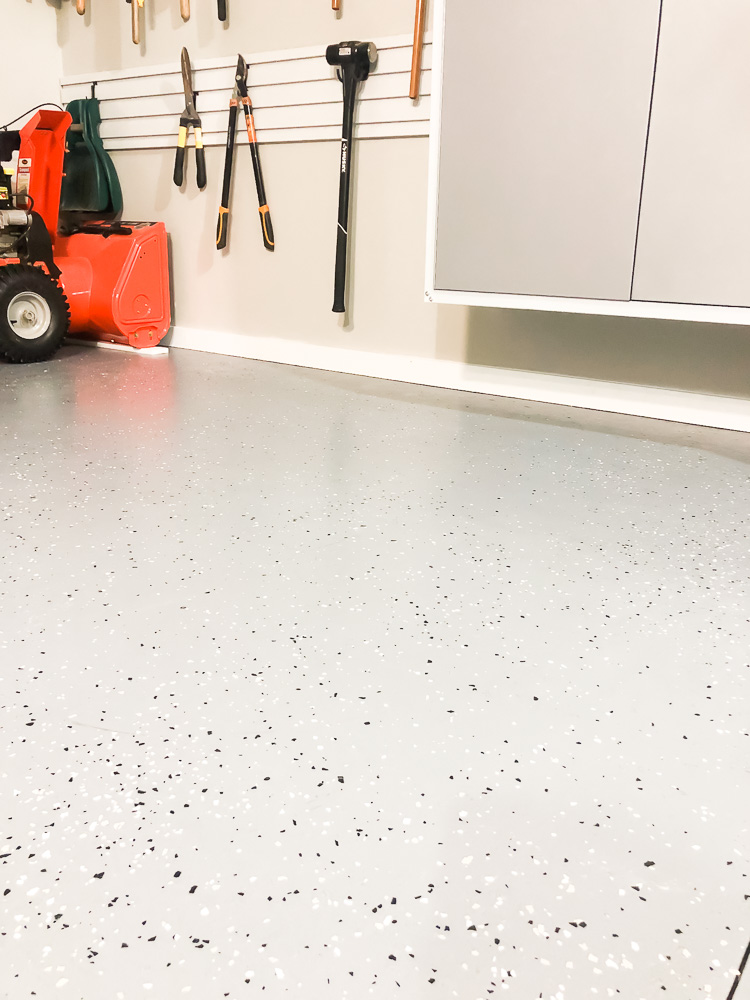
One thing I’m really glad I did was add decorative color flakes to the second coat while it was still wet. Even in white, the flakes add a subtle texture and visual interest that helps mask minor imperfections and scuffs over time. They also improve traction slightly, which is a safety benefit I hadn’t fully considered before starting. Sprinkling them in while the coat is still tacky takes maybe ten extra minutes and makes a noticeable difference in the finished look.
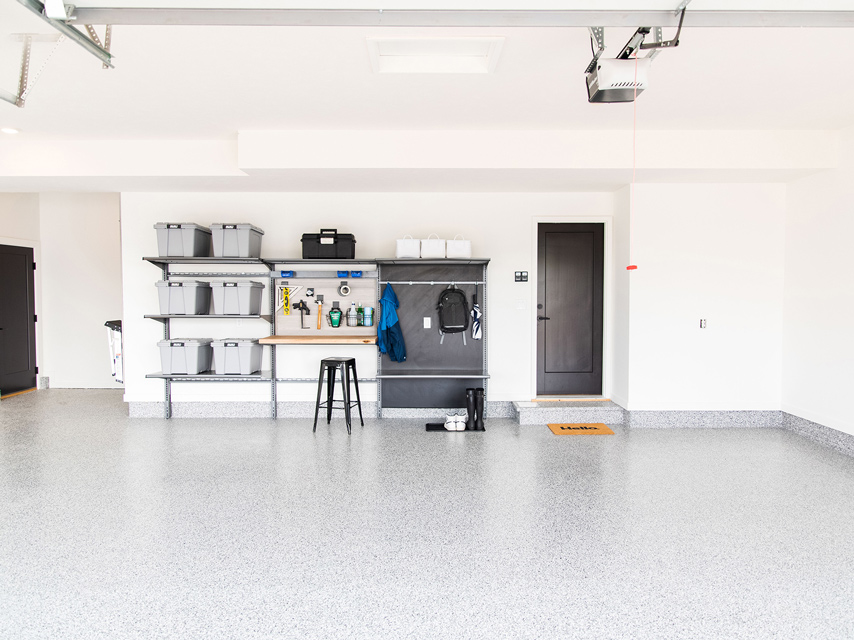
Keeping White Garage Floor Paint Looking Clean
The most common concern people raise about white garage floors is maintenance, and I get it. But after living with mine through two winters, multiple oil changes, and plenty of tracked-in grime, I can say that keeping it clean is far more manageable than people assume, especially with epoxy’s sealed surface making cleanup much easier than bare concrete.
For regular maintenance, I sweep the floor every week or two and do a quick mop with a diluted all-purpose cleaner whenever I notice buildup starting. The epoxy coating means spills sit on the surface rather than soaking in, so even oil drips wipe up cleanly if you catch them within a reasonable amount of time. I keep a roll of paper towels and a spray bottle of degreaser on a shelf near the door specifically for that purpose.
Tire marks are the one thing that takes a little more effort. Hot tire pickup, where rubber from warm tires transfers to the floor when you park, is a real thing with epoxy coatings. I’ve found that a scrub brush and a bit of concentrated degreaser handles most tire marks with some elbow grease. Some people add a topcoat sealer over their epoxy specifically to reduce this issue, and that’s something I’m considering doing on my next reapplication to make the white surface even easier to maintain.
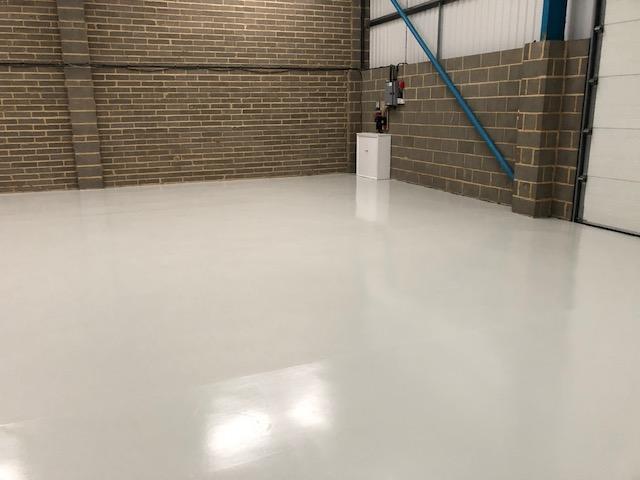
How Long White Garage Floor Paint Actually Lasts
Durability is the question I get asked most often by friends who see my garage and start thinking about doing their own. The honest answer is that it depends heavily on the product you choose and how well you prepared the surface, but a properly applied two-part epoxy should give you anywhere from five to ten years of solid performance before you need to think about recoating.
My floor is approaching two years now and still looks great in the areas with the heaviest use. There’s some minor wear starting to show right where I get in and out of my car daily, which is to be expected given the constant friction in that spot. I plan to do a light scuff sand and spot recoat in that zone before it becomes a more significant patch, which should extend the overall life of the floor considerably.
One thing worth knowing is that white shows wear patterns a little more visibly than darker colors, which can be a pro or a con depending on how you look at it. For me, it’s useful because I can see exactly where the floor needs attention before small worn areas turn into peeling zones. Staying proactive with touch-ups is the single best thing you can do to maximize how long your white garage floor keeps looking sharp and well-maintained.

Is white garage floor paint too hard to keep clean?
Honestly, it’s more manageable than I expected. Epoxy-coated surfaces don’t absorb spills the way bare concrete does, so most messes wipe up easily. I sweep regularly and spot-clean with a degreaser when needed. The key is dealing with spills quickly rather than letting them sit. With a little routine maintenance, white holds up better than most people assume before they try it.
How long does white epoxy garage floor paint last?
A properly applied two-part epoxy can last five to ten years under regular vehicle use. My floor is two years in and still looks great with normal upkeep. Longevity comes down to prep quality and product choice more than anything else. Rushing the surface prep or using a single-part latex paint will cut that lifespan significantly, sometimes down to just one or two years before peeling starts.
Will white paint show tire marks and stains more than gray?
Yes, tire marks and oil drips are more visible on white, but they’re also easier to spot and clean up quickly as a result. I actually think this keeps my floor cleaner overall because I address messes sooner. A degreaser and scrub brush handle most tire marks well. Adding a topcoat sealer over your epoxy also reduces hot tire pickup and makes the surface easier to wipe down with regular cleaning.
Can I paint my garage floor white myself, or do I need a professional?
DIY is absolutely achievable with the right product and patience for the prep work. Two-part epoxy kits are widely available and come with detailed instructions. The prep stage is the most time-consuming part, but it’s not technically difficult. If your concrete has significant moisture issues or major cracking, a professional assessment is worth getting first. Otherwise, a committed weekend warrior can get excellent results with epoxy.
What’s the best type of paint for a white garage floor?
Two-part epoxy is my strong recommendation for most homeowners. It bonds harder, resists chemicals and abrasion better, and lasts significantly longer than single-part latex or porch paint options. If you want maximum durability and don’t mind a steeper learning curve, polyurea is a professional-grade step up. For most DIYers though, a quality two-part epoxy kit from a reputable brand hits the sweet spot between performance and accessibility.
How soon can I park my car on freshly painted white garage floor paint?
Most two-part epoxy coatings recommend waiting at least 72 hours before light foot traffic and a full seven days before parking a vehicle. I actually waited ten days to be safe, since I applied during cooler weather which slows curing. Following the manufacturer’s cure time guidelines is really important here. Parking too soon is one of the most common reasons people end up with tire marks embedded in their finish permanently.

Related Posts: