When I bought my first home five years ago, the outdated carpet throughout the main floor had to go. I dreamed of hardwood floors but faced a harsh reality check when I got quotes, genuine hardwood was completely out of my budget. That’s when I discovered wood laminate flooring. I’ll admit I was skeptical at first, worried it would look cheap or wear out quickly.
After installing laminate throughout my living room, dining room, and hallway, I’ve been thrilled with both the appearance and performance. My guests consistently think it’s real hardwood until I tell them otherwise. Let me share what I’ve learned about choosing and living with laminate flooring.
Understanding Laminate Construction and Quality Levels
Laminate flooring surprised me with its sophisticated construction. It’s not just printed paper, though that’s what I initially assumed. My research revealed four distinct layers working together. The bottom layer provides stability, the core layer is high-density fiberboard that gives structure, the decorative layer is a high-resolution photograph of real wood, and the top wear layer protects everything beneath. Understanding this construction helped me evaluate quality differences between products.
AC ratings became my guide to understanding durability. These ratings range from AC1 for light residential use to AC5 for heavy commercial applications. I chose AC4-rated laminate for my main living areas, knowing they’d handle my family’s traffic plus our two cats.
After five years, the floors still look fantastic with no visible wear in even the highest-traffic zones. Investing in higher AC ratings costs more upfront but pays dividends in longevity.
Thickness matters more than I initially realized when comparing options. I looked at products ranging from 7mm to 12mm thick. Thicker laminate feels more substantial underfoot and handles subfloor imperfections better.
I chose 10mm planks with attached underlayment, which provided excellent cushioning and sound absorption. The difference between thin and thick laminate is immediately noticeable when you walk on them, it’s worth the modest price increase.
Selecting Realistic Wood Patterns and Textures
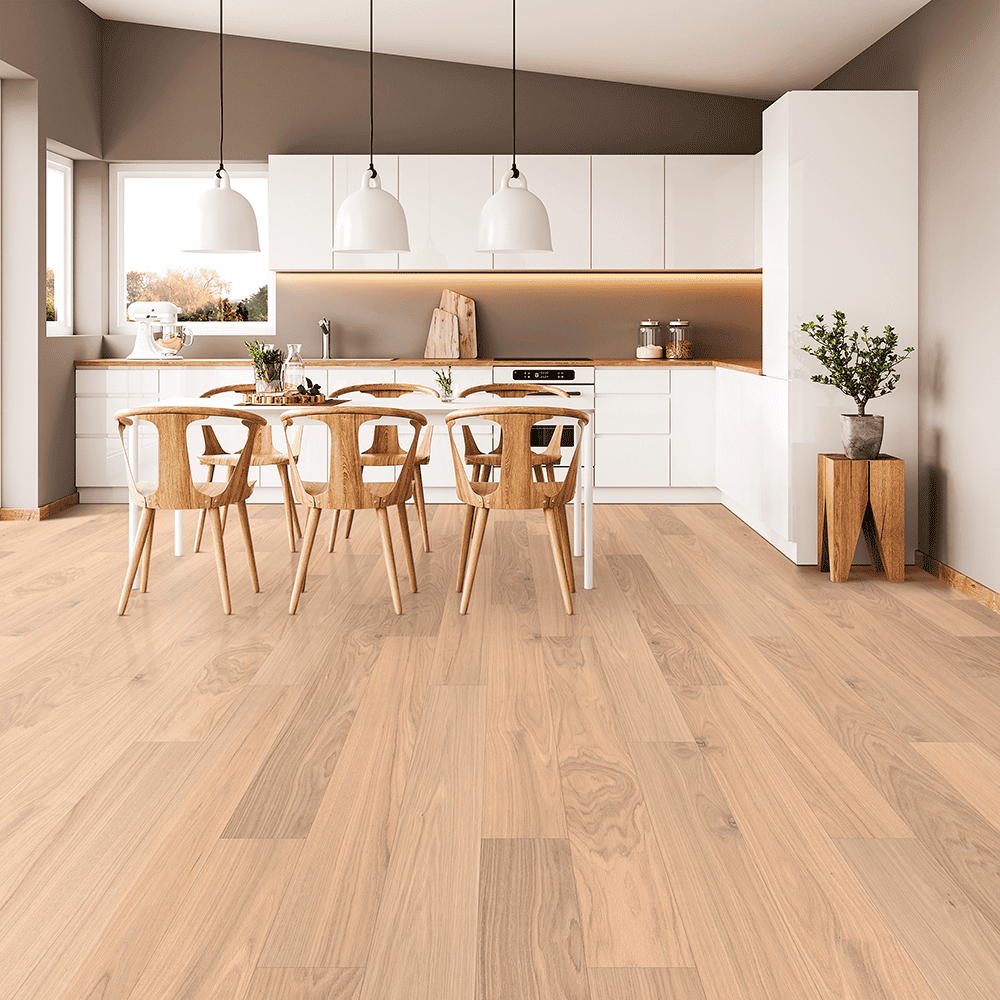
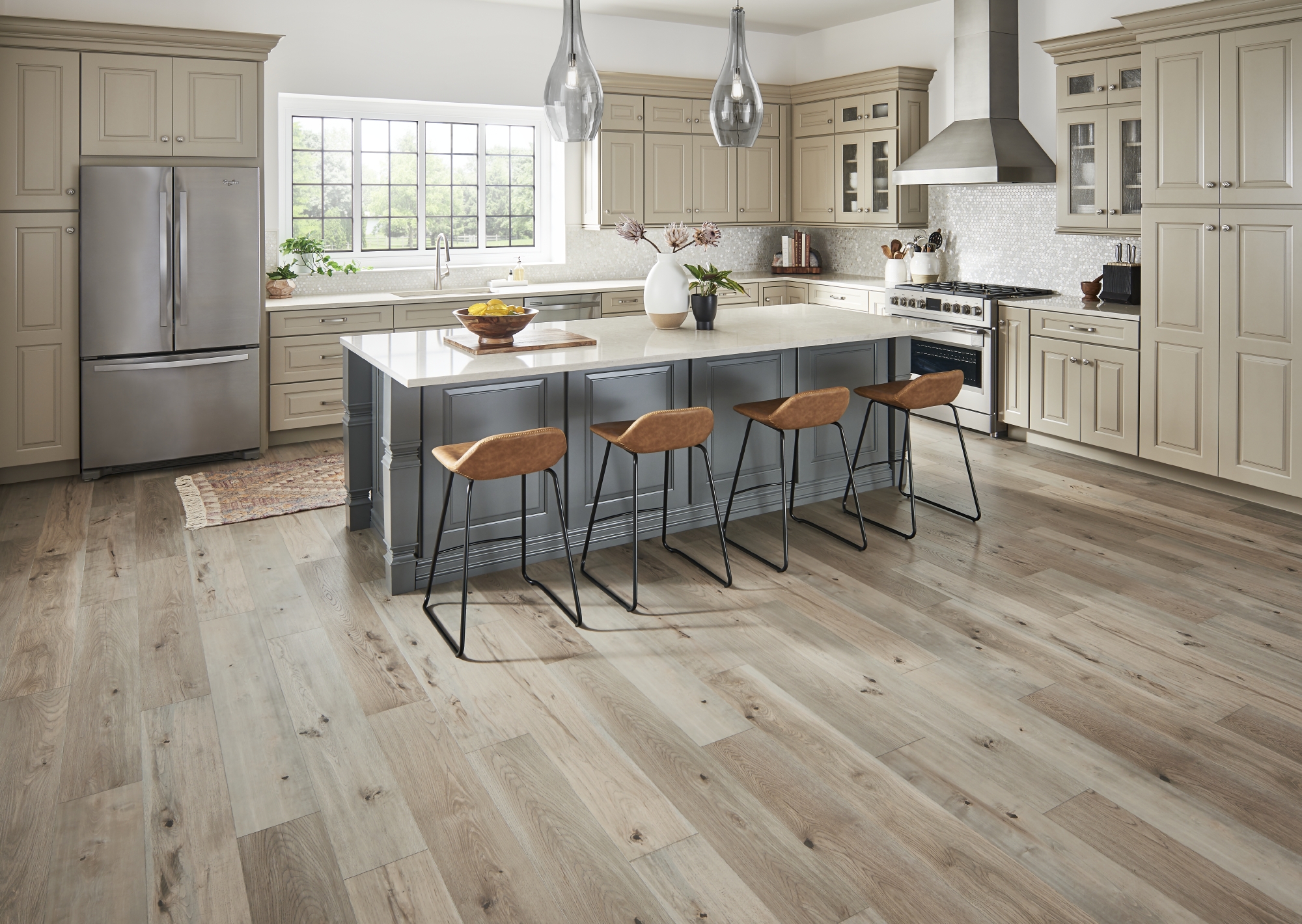
The photographic quality of laminate has improved dramatically in recent years. When I shopped five years ago, I saw incredibly realistic wood patterns that fooled my eye completely. I chose a hand-scraped hickory design with natural color variation and visible grain texture. The high-definition printing captured every detail of authentic wood, including knots and mineral streaks. This attention to detail makes my laminate indistinguishable from real hardwood at a glance.
Embossed textures add another layer of authenticity that flat laminate can’t match. My planks have texture that follows the wood grain pattern exactly, a feature called embossed-in-register. When you run your hand across the surface, you feel the grain texture matching what you see visually. This synchronization between visual and tactile elements creates remarkable realism. Cheaper laminates have random textures that don’t align with the printed pattern, immediately revealing their artificial nature.
I sampled at least a dozen different wood looks before deciding on my hickory pattern. I brought samples home and lived with them for a week, observing how they looked in morning light, afternoon sun, and evening lamplight. Some patterns that looked beautiful in the store felt too busy in my space. Others seemed bland once I saw them with my furniture. Taking time to test samples in your actual environment prevents expensive regrets later.
Installing Laminate Flooring as a DIY Project
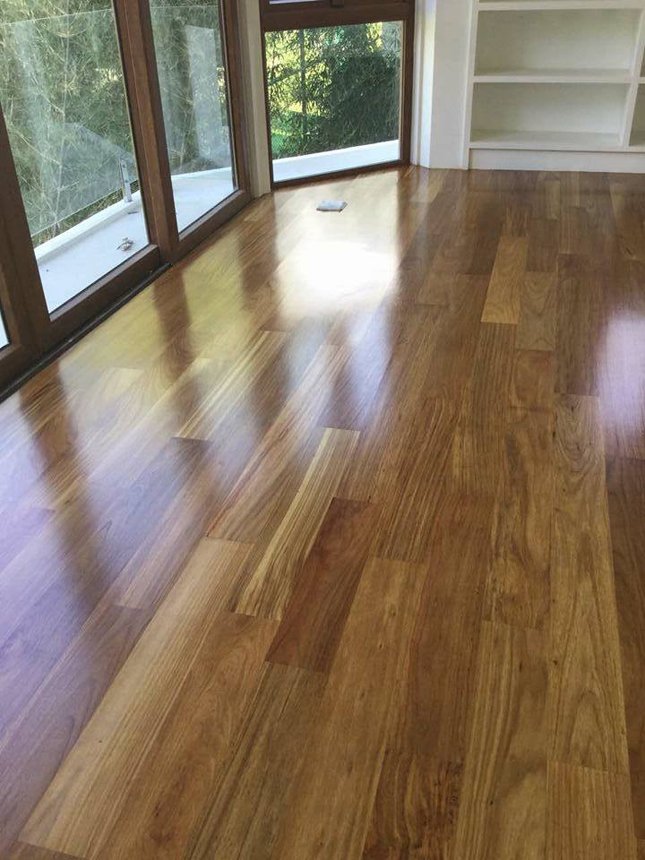
I installed my laminate floors myself and saved thousands compared to professional installation. The click-lock system made installation surprisingly straightforward even for someone with limited DIY experience. Each plank has tongues and grooves that snap together securely. I worked methodically, one row at a time, and completed my 800-square-foot main floor in three long weekends. The sense of accomplishment was tremendous.
Subfloor preparation consumed more time than I expected but proved essential for good results. I spent a full day ensuring my plywood subfloor was clean, level, and dry. I filled gaps, removed protruding nails, and used leveling compound in low spots. Every bump or depression telegraphs through laminate, especially thinner products. My careful preparation created a smooth, quiet floor that doesn’t bounce or feel hollow when walked upon.
The floating installation method means planks aren’t attached to the subfloor. They rest on underlayment and stay in place through their interlocking design and perimeter constraints. I left a quarter-inch expansion gap around all walls and obstacles, covering it later with baseboards. This gap allows the floor to expand and contract with humidity changes without buckling. Following installation instructions precisely prevented the common problems that give laminate a bad reputation.
Living with Laminate in High-Traffic Family Areas
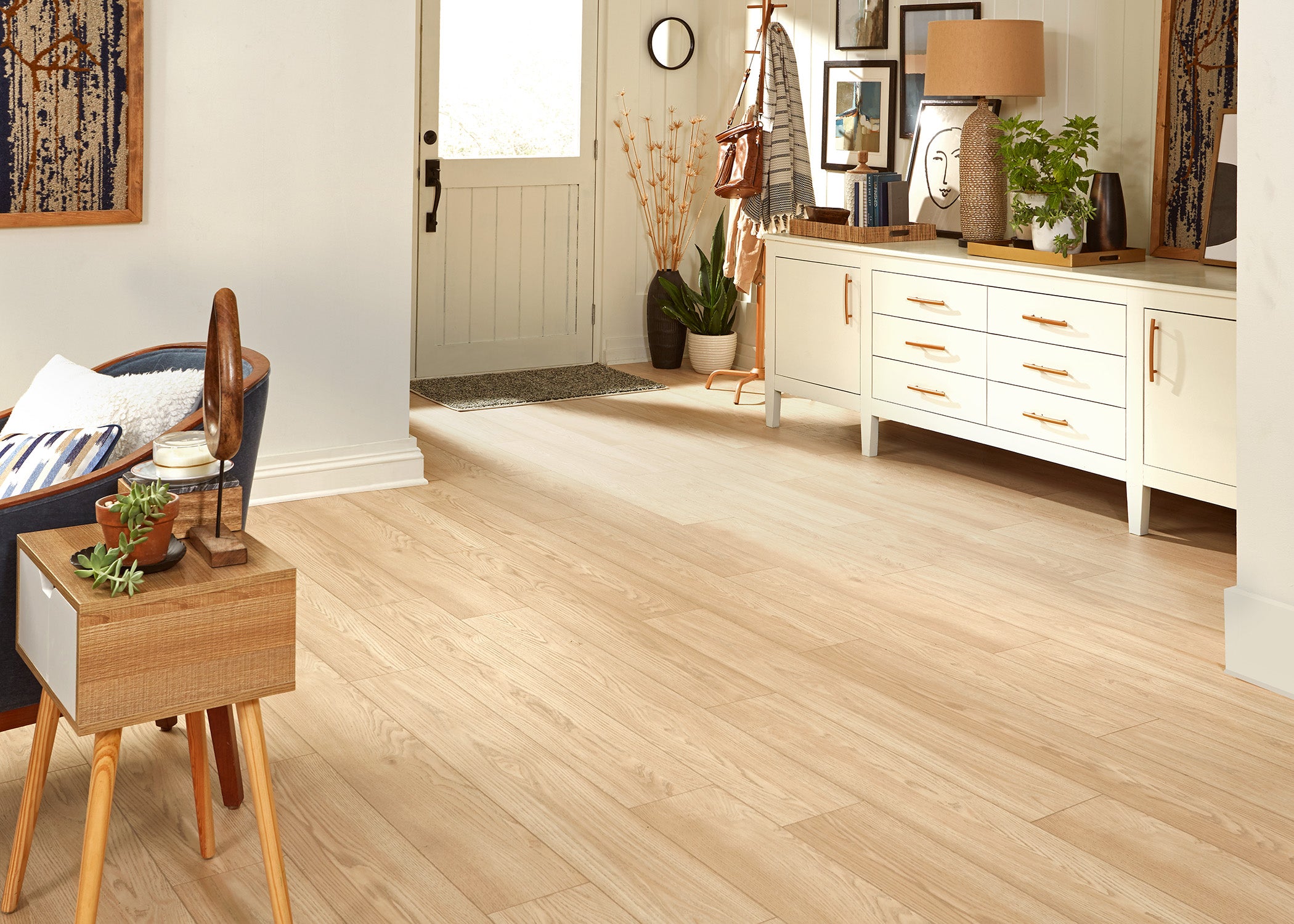
Daily maintenance is refreshingly simple with laminate flooring. I sweep or vacuum every few days to remove dirt and debris that could scratch the surface. For deeper cleaning, I use a laminate-specific cleaner with a microfiber mop once weekly. The sealed surface means spills wipe up instantly without absorbing into the material. This ease of maintenance is perfect for my busy household where something always gets spilled or tracked in.
My two cats have tested the floor’s scratch resistance thoroughly. Their claws occasionally leave light surface marks, but nothing like the damage they’d do to real hardwood. The wear layer protects remarkably well against typical household abuse. I do keep their nails trimmed and have scratching posts strategically placed. My experience suggests laminate handles pets better than hardwood while looking nearly identical at a fraction of the cost.
Heavy furniture hasn’t damaged my laminate despite my initial concerns. My sectional sofa, dining table, and entertainment center sit directly on the laminate with felt pads underneath. I’ve rearranged furniture multiple times without creating permanent indentations. The high-density core resists compression effectively. However, I’m careful when moving heavy items, dragging furniture can gouge even durable laminate. Lifting or using furniture sliders prevents damage during rearrangements.
Addressing Moisture and Water Resistance Concerns
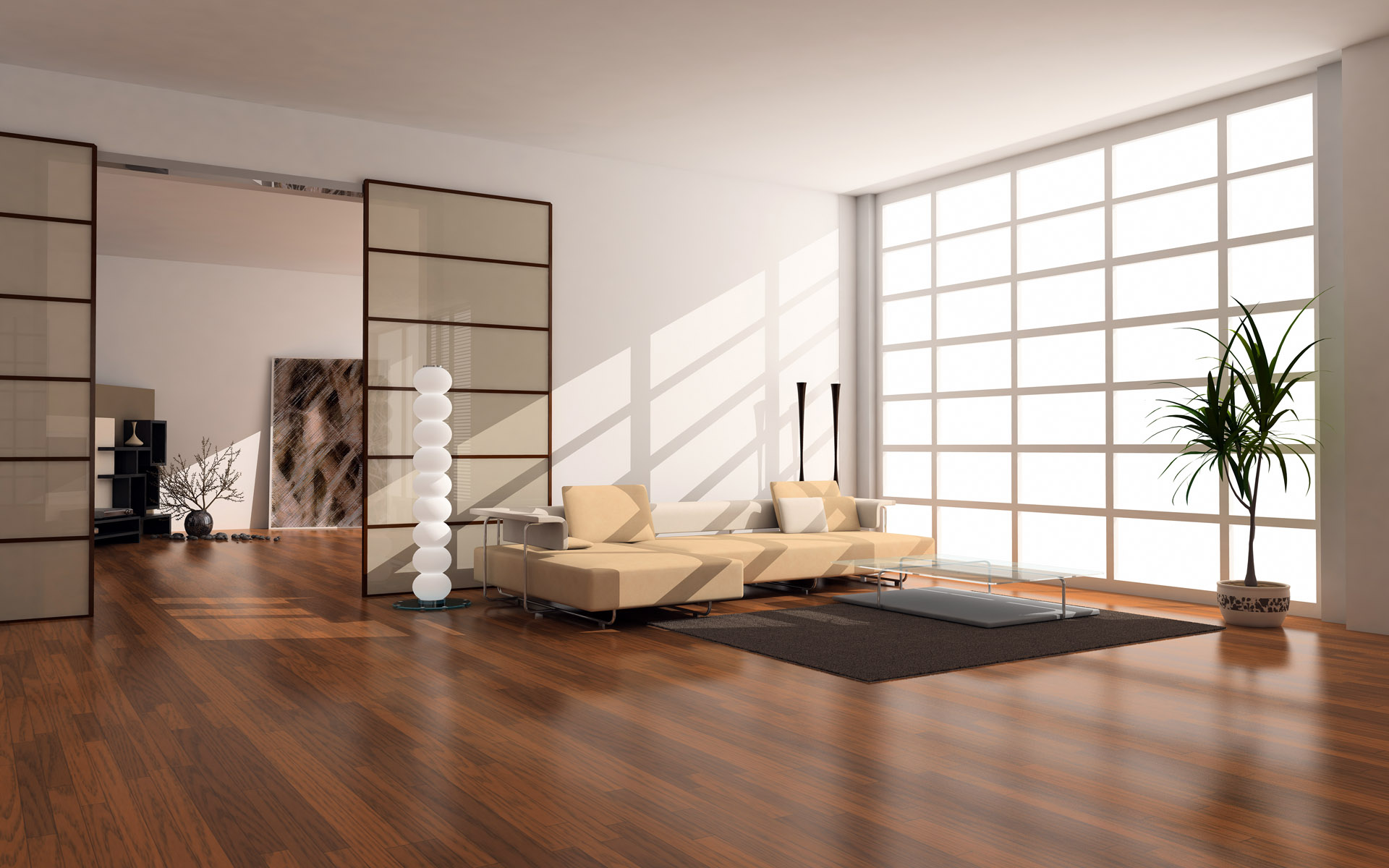
Water damage worries kept me awake initially, but proper care has prevented any issues. Laminate isn’t waterproof, it’s water-resistant when spills are cleaned promptly. I treat every spill like an emergency, wiping it up within minutes. My kitchen sees frequent spills from cooking and eating, and the laminate has handled everything without swelling or warping. The key is quick response, don’t let water sit.
I installed laminate in my kitchen despite warnings from some people. Five years later, it still looks perfect. I used extra care during installation to ensure tight seams that resist water penetration. I also applied silicone sealant along the perimeter where laminate meets baseboards, creating an additional moisture barrier. These precautions have protected my investment effectively.
Humidity control became more important than I anticipated. During my first summer, I noticed slight gaps appearing between planks when humidity dropped. A humidifier solved this issue, maintaining indoor humidity around 40-50%. Laminate expands and contracts with moisture content in the air. Consistent humidity prevents excessive movement that stresses the locking mechanisms. This environmental control benefits not just floors but also furniture and overall comfort.
Comparing Laminate to Other Flooring Options
Laminate versus luxury vinyl plank was my toughest decision. LVP offers superior water resistance and slightly softer feel underfoot. However, laminate provided more realistic wood appearance at my price point. The photographic detail and embossed texture of quality laminate surpassed the LVP options I could afford. For areas without water concerns, laminate offers better aesthetics for similar cost in my experience.
Compared to real hardwood, laminate sacrifices refinishing capability for affordability and easier maintenance. Hardwood can be sanded and refinished multiple times over decades. Laminate has a fixed wear layer that can’t be renewed once worn through. However, my AC4-rated laminate should last 20-25 years with proper care. Given that I paid one-third the cost of hardwood, I’m comfortable replacing it eventually rather than refinishing.
Engineered hardwood splits the difference between solid hardwood and laminate in both cost and performance. It offers real wood veneer that can be refinished once or twice. I considered engineered wood seriously but chose laminate for its superior scratch resistance and lower maintenance. With kids and pets, practicality won over prestige. Laminate lets me enjoy wood aesthetics without the anxiety of damaging expensive materials.

How long does laminate flooring typically last?
With proper care, quality laminate lasts 15-25 years. My AC4-rated floors are five years old and look nearly new. Durability depends heavily on AC rating and maintenance. Higher-rated laminate withstands more abuse. I expect mine to look good for at least another decade before considering replacement. The longevity makes laminate excellent value for money.
Can you install laminate flooring in bathrooms?
I wouldn’t recommend it for full bathrooms with showers or tubs. Water exposure around these fixtures is too risky. However, powder rooms with just a toilet and sink work fine with careful maintenance. I have laminate in my half-bath and haven’t had issues. Wipe up water immediately and ensure good ventilation to prevent moisture problems.
Does laminate flooring feel cold underfoot?
Less cold than tile but cooler than carpet. My laminate feels slightly cool in winter mornings but warms quickly. The attached underlayment provides some insulation. Area rugs in sitting areas and bedrooms add warmth where desired. It’s not as naturally warm as real hardwood but acceptable with proper heating and strategic rug placement.
Can laminate flooring be refinished or repaired?
No, laminate cannot be sanded or refinished like hardwood. The decorative layer is thin and would be destroyed by sanding. Minor scratches can be touched up with repair markers or putty sticks that I keep on hand. For severe damage, individual planks can sometimes be replaced if you saved extras from installation, which I highly recommend doing.

How does laminate handle sunlight and fading?
Quality laminate resists fading better than I expected. My south-facing living room gets intense afternoon sun, and I see minimal color change after five years. UV-resistant wear layers protect the decorative layer effectively. I use window treatments during peak sun to further protect both furniture and floors. Cheaper laminate fades faster, another reason to invest in quality.
Is laminate flooring noisy or hollow-sounding?
Quality laminate with good underlayment is surprisingly quiet. My 10mm planks with attached pad feel solid and don’t create hollow sounds when walked on. Thinner laminate without adequate underlayment can sound hollow and amplify footsteps. Proper installation over level subfloor eliminates most noise issues. My floors are quieter than the hardwood in my parents’ home.
Related Posts: