When I started my kitchen renovation two years ago, I never expected to fall in love with bamboo flooring. Like most people, I had this vague idea that bamboo was some trendy eco-friendly option that probably wouldn’t hold up to real kitchen life. Boy, was I wrong. After extensive research and now living with bamboo floors for over 18 months, I can honestly say it’s been one of the best decisions I made during my entire renovation. The combination of sustainability, durability, and stunning natural beauty has exceeded every expectation I had.
Understanding Bamboo Construction: Why It’s Perfect for Kitchens
The manufacturing process of bamboo flooring fascinated me during my research phase. Unlike traditional hardwood that takes decades to mature, bamboo reaches harvestable size in just 3-5 years and regenerates from its root system without replanting. What really sold me was learning how the bamboo stalks are processed into incredibly strong planks through heat, pressure, and natural adhesives. This process creates a material that’s actually harder than many traditional hardwoods.
I was initially skeptical about bamboo’s moisture resistance until I understood how strand-woven bamboo is made. The bamboo fibers are shredded, compressed, and bonded under extreme pressure, creating a dense surface that naturally resists moisture penetration. In my kitchen, where spills are inevitable and humidity fluctuates with cooking, this moisture resistance has been absolutely crucial. I’ve had everything from pasta water to wine spills, and cleanup is always simple without any damage to the flooring.
The Janka hardness rating of my strand-woven bamboo floors impressed me most. At over 3,000 pounds per square inch, it’s significantly harder than oak or maple. This means my floors can handle dropped pots, sliding chairs, and heavy foot traffic without showing wear. After 18 months of daily kitchen use, including meal prep sessions and holiday cooking marathons, I can barely detect any signs of wear or scratching on the surface.
Natural vs. Carbonized Bamboo: My Color Selection Process
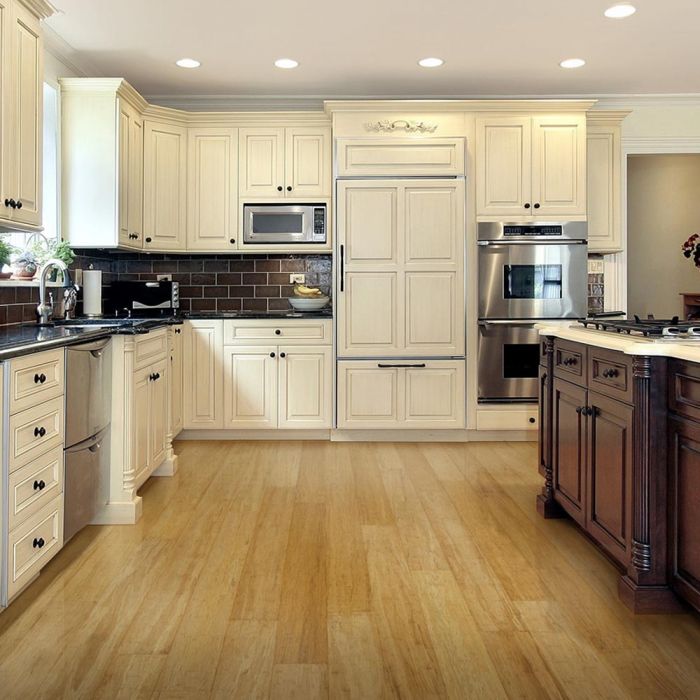
Choosing between natural and carbonized bamboo required more consideration than I expected. Natural bamboo has this beautiful light blonde color that immediately brightened my kitchen space. The grain patterns are subtle but visible, creating interesting visual texture without being overwhelming. I fell in love with how the natural tone complemented both my white cabinets and the stainless steel appliances, creating this clean, modern aesthetic I was seeking.
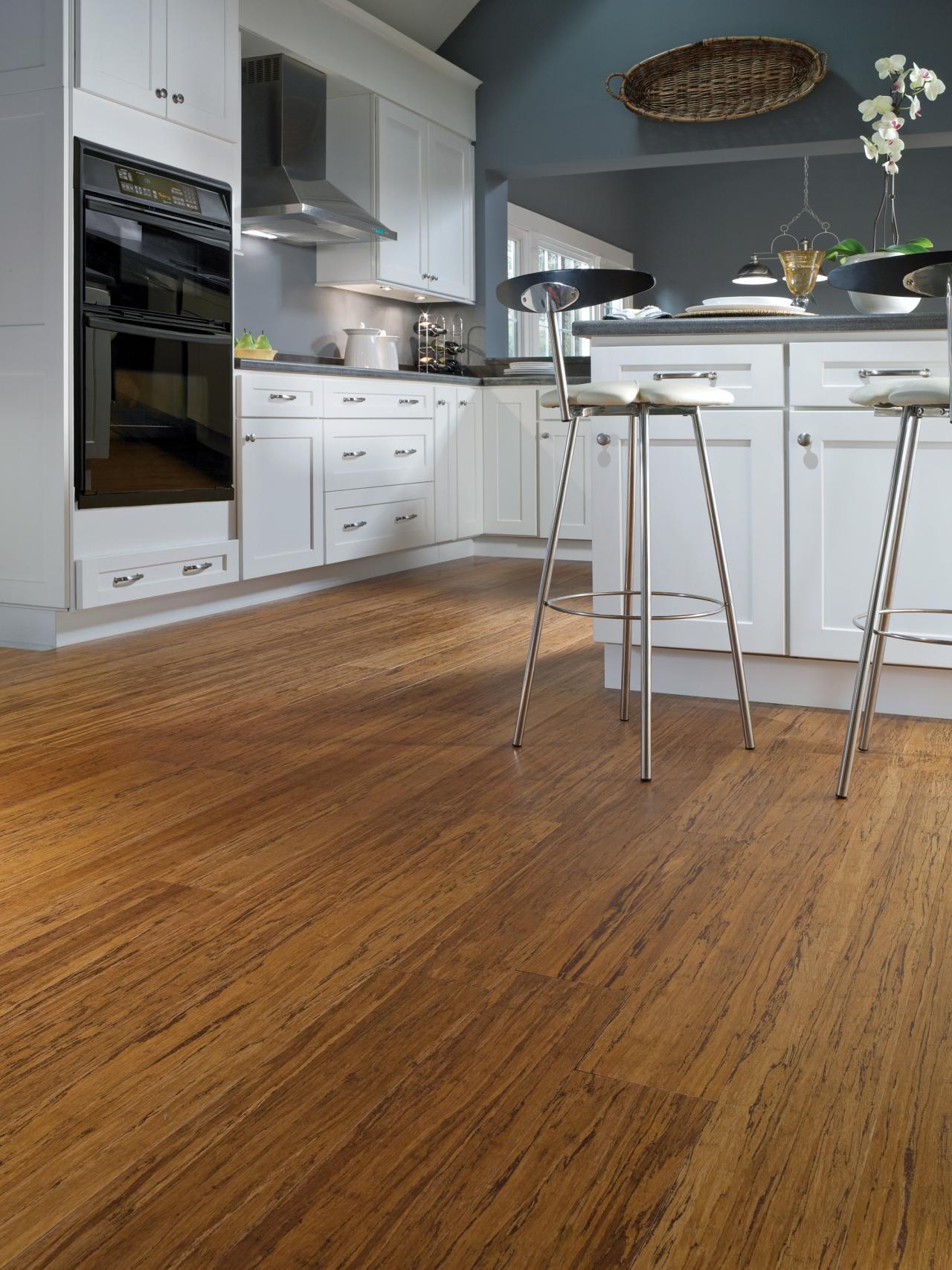
Carbonized bamboo offered a completely different look that I seriously considered. The steaming process that creates the darker caramel tones is gorgeous, but I learned it also softens the bamboo slightly. My contractor explained that carbonized bamboo has a lower hardness rating because the carbonization process breaks down some of the natural fibers. For a high-traffic kitchen environment, I decided the extra durability of natural bamboo was worth more than the darker color option.
The way light interacts with natural bamboo throughout the day became one of my favorite features. Morning sunlight streaming through my kitchen window creates these beautiful golden highlights in the bamboo grain. Evening lighting gives it a warmer, cozier appearance. This natural color variation means my floors never look flat or monotonous, unlike some of the solid-color options I considered. The subtle variations in tone and grain keep the space feeling alive and organic.
Installation Experience: Floating vs. Glue-Down Methods
My installer recommended the floating installation method for my bamboo kitchen floors, and I’m glad I listened to his expertise. The click-lock system made installation faster and less messy than traditional glue-down methods. We finished my entire 200-square-foot kitchen in just one day, and I was able to walk on the floors immediately without waiting for adhesives to cure. This was crucial since I needed to keep using my kitchen during the renovation.
The expansion gaps around the perimeter were more important with bamboo than I initially realized. Even though bamboo is more dimensionally stable than hardwood, it still needs room for minor seasonal movement. My installer left quarter-inch gaps around all edges, which the baseboards and quarter-round molding completely hide. This attention to proper expansion spacing has prevented any buckling or gapping issues over the past 18 months.
Preparing the subfloor proved critical for achieving professional results. We spent extra time ensuring the surface was perfectly level because bamboo’s hardness makes it less forgiving of subfloor imperfections than softer materials. Any high spots or dips would telegraph through the bamboo planks and create squeaks or hollow sounds. The thorough preparation work resulted in floors that feel solid and sound quiet underfoot, even in bare feet.
Daily Maintenance: My Real-World Cleaning Routine
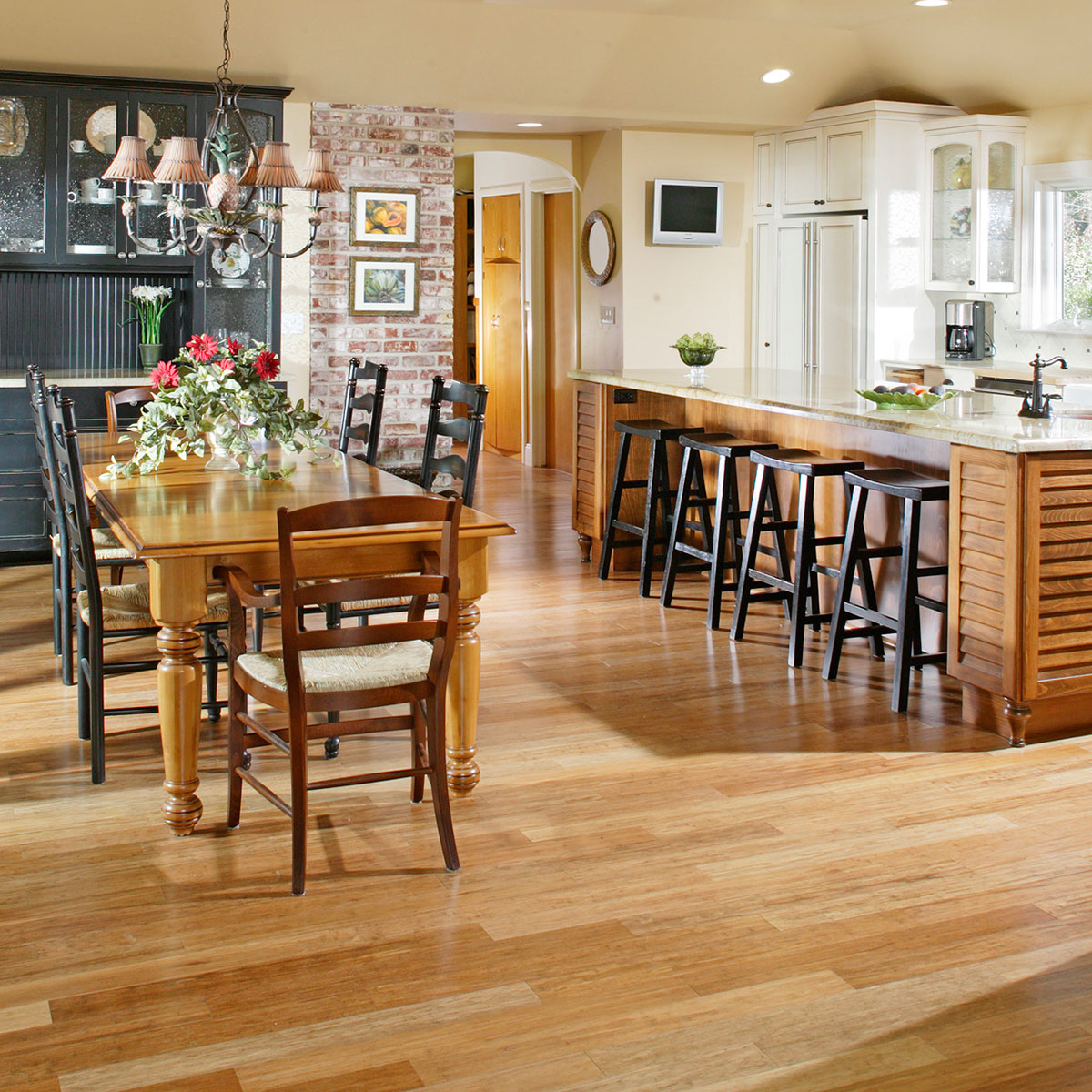
My daily bamboo floor maintenance routine is surprisingly simple, which was a pleasant surprise after reading conflicting online advice. I sweep or vacuum daily to remove food crumbs and debris, paying special attention to areas around the stove and sink where particles tend to accumulate. For deeper cleaning, I use a barely damp microfiber mop with a pH-neutral cleaner specifically designed for bamboo floors about once a week.
The key lesson I learned early was avoiding excess moisture during cleaning. While bamboo is more water-resistant than traditional hardwood, standing water can still cause damage over time. I always squeeze my mop until it’s just barely damp and immediately dry any areas that seem too wet. This cautious approach has kept my floors looking pristine without any water damage or cloudiness in the finish.
Dealing with spills requires immediate attention, but it isn’t as stressful as it was with my previous laminate floors. I keep a stack of absorbent towels handy for quick cleanup of cooking spills. Coffee, wine, olive oil, and even tomato sauce wipe up easily without staining when addressed promptly. The smooth, sealed surface of bamboo makes cleanup much easier than textured or porous flooring materials I’ve had in previous homes.
Durability Testing: How My Floors Handle Real Kitchen Life
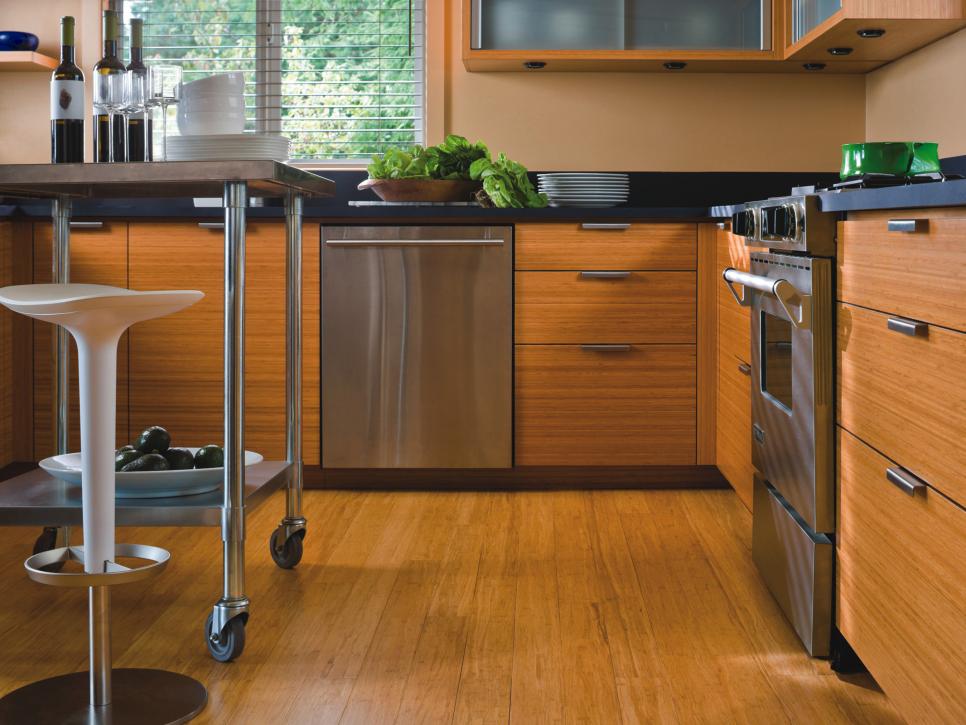
My bamboo floors have endured some serious durability tests over the past 18 months. I accidentally dropped a cast-iron Dutch oven from counter height onto the floor, and I was certain I’d created a permanent dent. To my amazement, there wasn’t even a mark visible on the bamboo surface. The incredible hardness of strand-woven bamboo proved itself beyond any doubt that day, and I stopped worrying about normal kitchen accidents.
The high-traffic areas around my stove, sink, and refrigerator still look nearly identical to the day they were installed. I was initially concerned that these spots would show wear patterns or lose their shine over time. Instead, the bamboo has maintained its appearance remarkably well despite constant foot traffic, occasional spills, and the general chaos of daily cooking. The factory finish continues to protect the surface effectively.
Temperature fluctuations from cooking haven’t affected my bamboo floors like I worried they might. The area directly in front of my oven gets quite warm during extended baking sessions, but I’ve never noticed any expansion, contraction, or finish changes in response to heat. The dimensional stability of bamboo in varying temperatures has been impressive, especially compared to stories I’ve heard about other flooring materials reacting poorly to kitchen conditions.
Environmental Impact: Why I Feel Good About My Choice
The sustainability factor was initially what drew me to bamboo, but I didn’t realize how significant the environmental benefits actually are until I did deeper research. Bamboo produces 35% more oxygen than equivalent stands of trees and can be harvested every 3-5 years without killing the plant. Knowing that my beautiful kitchen floors came from a rapidly renewable resource that actually improves air quality makes me feel genuinely good about my flooring choice.
The manufacturing process of my bamboo floors uses formaldehyde-free adhesives and low-VOC finishes, which is important for my family’s indoor air quality. Many traditional flooring options release volatile organic compounds for months or even years after installation. I noticed no chemical odors during or after installation, and my home’s air quality remained fresh and clean throughout the process.
The carbon footprint of bamboo flooring impressed me when I compared it to other options. Bamboo’s rapid growth rate means it absorbs more carbon dioxide during its lifecycle than slower-growing hardwoods. Additionally, many bamboo products are manufactured closer to where the raw material grows, reducing transportation emissions. While my floors traveled from the manufacturing facility, the overall environmental impact felt significantly lower than the alternatives I considered.
How does bamboo flooring hold up to kitchen moisture and spills compared to hardwood?
In my experience, bamboo handles kitchen moisture much better than traditional hardwood. I’ve had dishwasher leaks, cooking spills, and high humidity from boiling pasta without any damage. The key is cleaning spills promptly and avoiding standing water. After 18 months of real kitchen use, I have zero moisture damage or warping issues.
Is bamboo flooring slippery when wet, and how safe is it for busy kitchens?
Bamboo can be slightly slippery when wet, similar to any smooth flooring. I’m careful to dry spills immediately and use non-slip rugs near the sink. The smooth surface actually makes it easier to spot and clean spills quickly. With proper maintenance, slip hazards are minimal and manageable for normal kitchen activities and foot traffic.

What’s the realistic lifespan of bamboo kitchen flooring with heavy daily use?
My contractor estimated 20-25 years with proper care, similar to quality hardwood. After 18 months of heavy use, my floors still look nearly new. The strand-woven construction creates incredible durability. I expect to refinish once in 10-15 years, but the core material should last decades with normal kitchen wear and reasonable maintenance.
Can bamboo floors be refinished if they get scratched or damaged over time?
Yes, bamboo floors can be sanded and refinished just like hardwood, though less frequently due to their hardness. My floors have a thick enough wear layer to handle 2-3 refinishing cycles over their lifetime. So far, I haven’t needed any refinishing work, but it’s reassuring to know the option exists for future maintenance needs.
How does the cost of bamboo compare to other kitchen flooring options?
I paid about $6-8 per square foot installed for quality strand-woven bamboo, which was competitive with mid-range hardwood but more than laminate or vinyl. The durability and eco-friendly benefits justified the cost for me. When I factor in the longevity and low maintenance requirements, the long-term value is excellent.
Does bamboo flooring work well with radiant floor heating systems?
Bamboo is compatible with radiant heating, though I don’t have personal experience with this combination. The dimensional stability that makes bamboo great for kitchens also works well with temperature changes from radiant systems. If you’re considering this, verify compatibility with your specific bamboo product and heating system manufacturer.

A Closer Look at Bamboo Flooring: The Pros & Cons
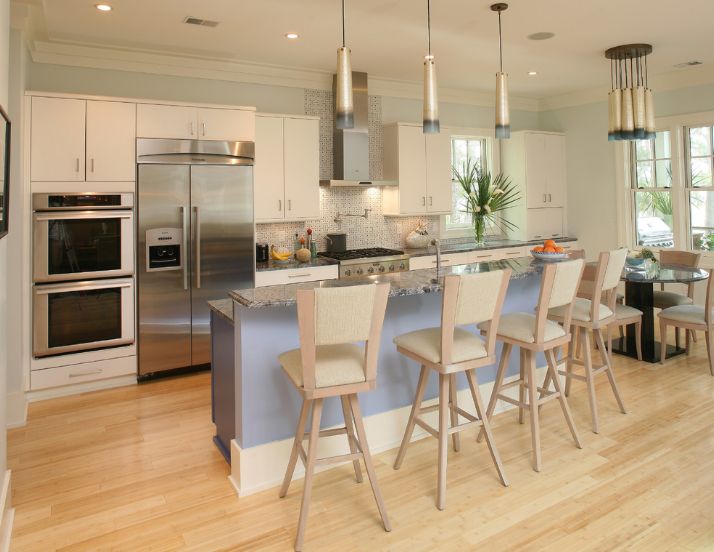
Bamboo Flooring Ideas With Pros And Cons
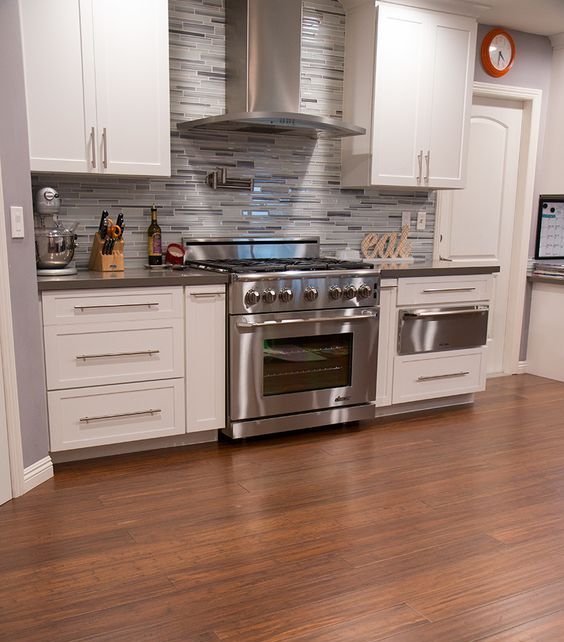
A Closer Look at Bamboo Flooring
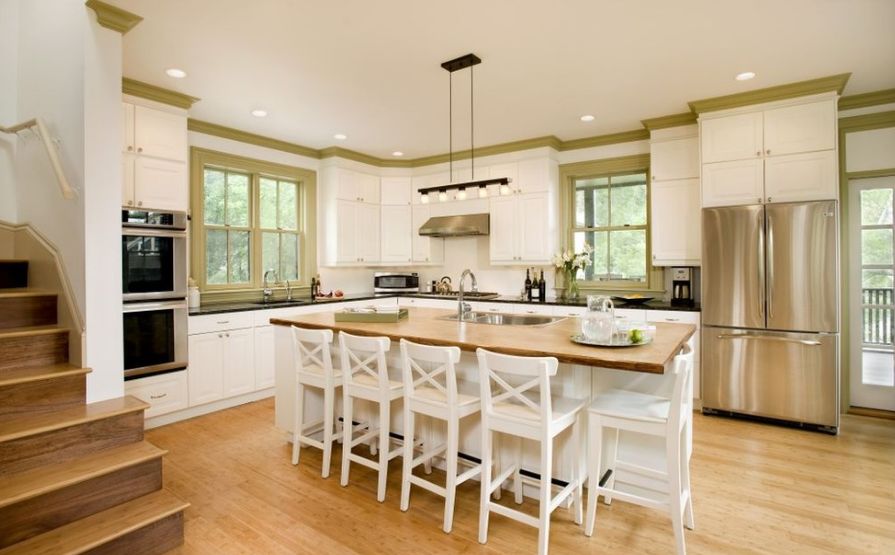
Bamboo Flooring For Kitchen

Related Posts: