When I first mentioned to my contractor that I wanted cork flooring in my master bathroom, he gave me the kind of look usually reserved for people who suggest carpeting their shower. But after living with cork floors in my bathroom for three years now, I can honestly say it was one of the best renovation decisions I’ve ever made. Sure, it’s not the most conventional choice, but the comfort, warmth, and unique character it brings to the space have completely transformed my daily routine. Let me share why cork might be the bathroom flooring solution you never knew you needed.
Why I Chose Cork Over Traditional Bathroom Flooring
My journey to cork flooring started with a simple problem: cold feet. Living in Minnesota, stepping onto ceramic tile on winter mornings was like walking on ice. I’d tried heated floors in my previous home, but the installation cost was astronomical. When my interior designer suggested cork, I was initially skeptical. Isn’t cork what you find in wine bottles? But after researching and visiting showrooms, I discovered that cork flooring is naturally warm underfoot and has incredible insulation properties.
The sustainability aspect sealed the deal for me. As someone who tries to make environmentally conscious choices, I appreciated learning that cork is harvested from the bark of trees without harming them. The cork oak trees actually regenerate their bark every nine years, making it one of the most renewable flooring materials available. Plus, many cork floors contain recycled content from wine cork production, so I felt good about reducing waste while creating a beautiful space.
What really convinced me was the antimicrobial properties. Cork naturally resists mold, mildew, and bacteria, which seemed perfect for a bathroom environment. I’d dealt with grout issues in my previous tile bathroom, constantly scrubbing and resealing to prevent mold growth. The idea of a floor that naturally fought these problems was incredibly appealing. Combined with proper sealing, I knew cork could handle the moisture challenges that bathrooms present.
Understanding Cork’s Unique Properties for Bathroom Use
Living with cork floors has taught me so much about this amazing material. The cellular structure of cork is filled with tiny air pockets, which is what makes it so comfortable to walk on. It’s like having a built-in cushion under your feet. This same structure makes cork naturally slip-resistant when dry, though I learned to be cautious when the surface is wet. The texture provides good grip, but I still use bath mats near the shower and tub for extra safety.
One thing that surprised me was how well cork handles temperature changes. My bathroom gets quite steamy during showers, and I was worried about expansion and contraction issues. However, cork’s cellular structure allows it to accommodate these changes much better than solid hardwood. I’ve noticed virtually no gapping or cupping over the three years I’ve had it installed, even with our dramatic seasonal temperature swings here in the Midwest.
The sound absorption quality of cork has been an unexpected bonus. My master bathroom shares a wall with my home office, and the cork flooring significantly reduces the sound of footsteps and dropped items. This has been particularly appreciated during early morning routines when I’m trying not to wake my partner. The acoustic properties make the bathroom feel more spa-like and peaceful, which wasn’t something I’d even considered when choosing flooring materials.
Installation Challenges and Solutions I Encountered
Installing cork flooring in a bathroom requires more preparation than I initially realized. My contractor and I spent considerable time ensuring the subfloor was perfectly level and completely moisture-sealed. We installed a moisture barrier and used a specialized adhesive designed for wet areas. The process took longer than a typical cork installation, but this extra preparation has been crucial for the floor’s longevity and performance over the years.
The biggest challenge was working around the toilet and vanity. Cork needs to acclimate to the room’s humidity and temperature for at least 48 hours before installation, which meant careful timing of our renovation schedule. We also had to be extremely precise with cuts around fixtures because cork can chip if not handled properly. My installer used a fine-tooth saw and took his time with measurements, which resulted in professional-looking joints that have held up beautifully.
Sealing was perhaps the most critical step in the entire process. We applied three coats of polyurethane sealer specifically designed for cork, paying special attention to seams and edges. I learned that the quality of the seal job directly impacts how well the floor performs in a moist environment. We also sealed the edges where the floor meets the walls and fixtures with a flexible caulk to prevent any moisture infiltration from these vulnerable areas.
Daily Maintenance and Long-Term Care Strategies
My daily cork floor maintenance routine is surprisingly simple, which was one of my concerns before installation. I sweep or vacuum daily to remove any debris that might scratch the surface, and I wipe up water immediately after showers or baths. I keep a microfiber cloth handy specifically for this purpose. The key is preventing water from sitting on the surface for extended periods, though the sealed cork can handle brief exposure without problems.
Weekly cleaning involves mopping with a pH-neutral cleaner designed for sealed cork floors. I avoid harsh chemicals, ammonia-based products, or anything overly abrasive. I learned this lesson early when I accidentally used a standard tile cleaner that left the surface looking dull. After researching proper cork care products, I found cleaners that maintain the natural beauty of the cork while providing effective cleaning for bathroom use.
The long-term maintenance schedule includes resealing every two to three years, depending on traffic and wear patterns. I hired a professional for the first resealing after two years, and it was like having a brand-new floor again. The process involved light sanding to remove the old finish, thorough cleaning, and application of fresh sealer. While this adds to the overall cost of ownership, it’s comparable to refinishing other natural flooring materials and much less expensive than full replacement.
Aesthetic Possibilities and Design Integration
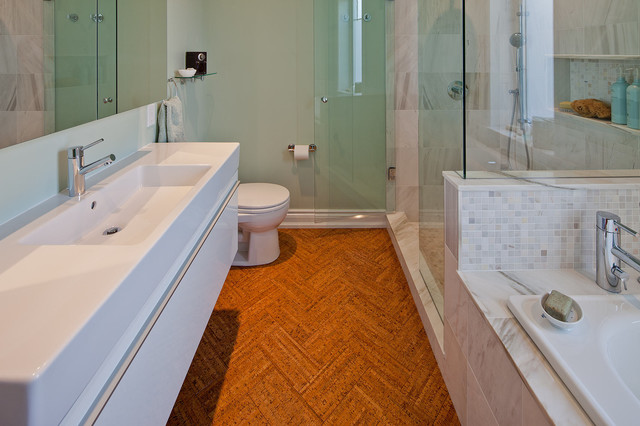
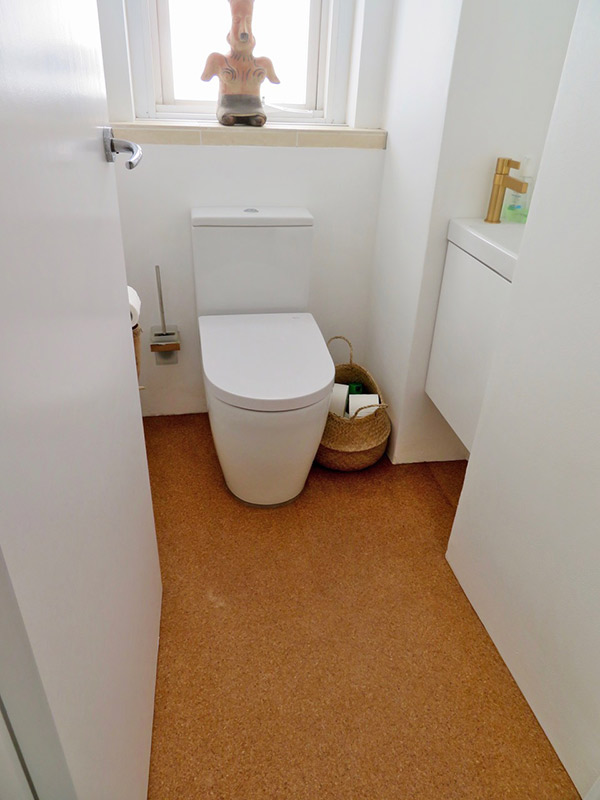
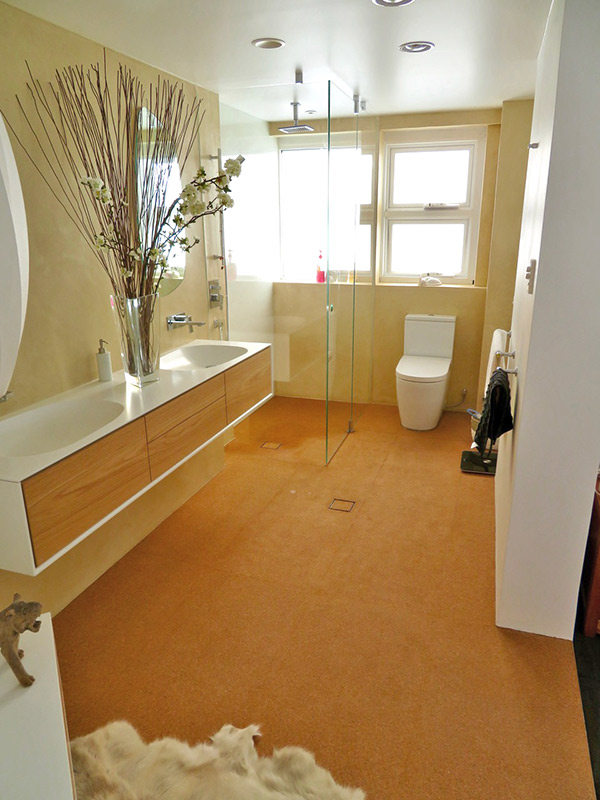
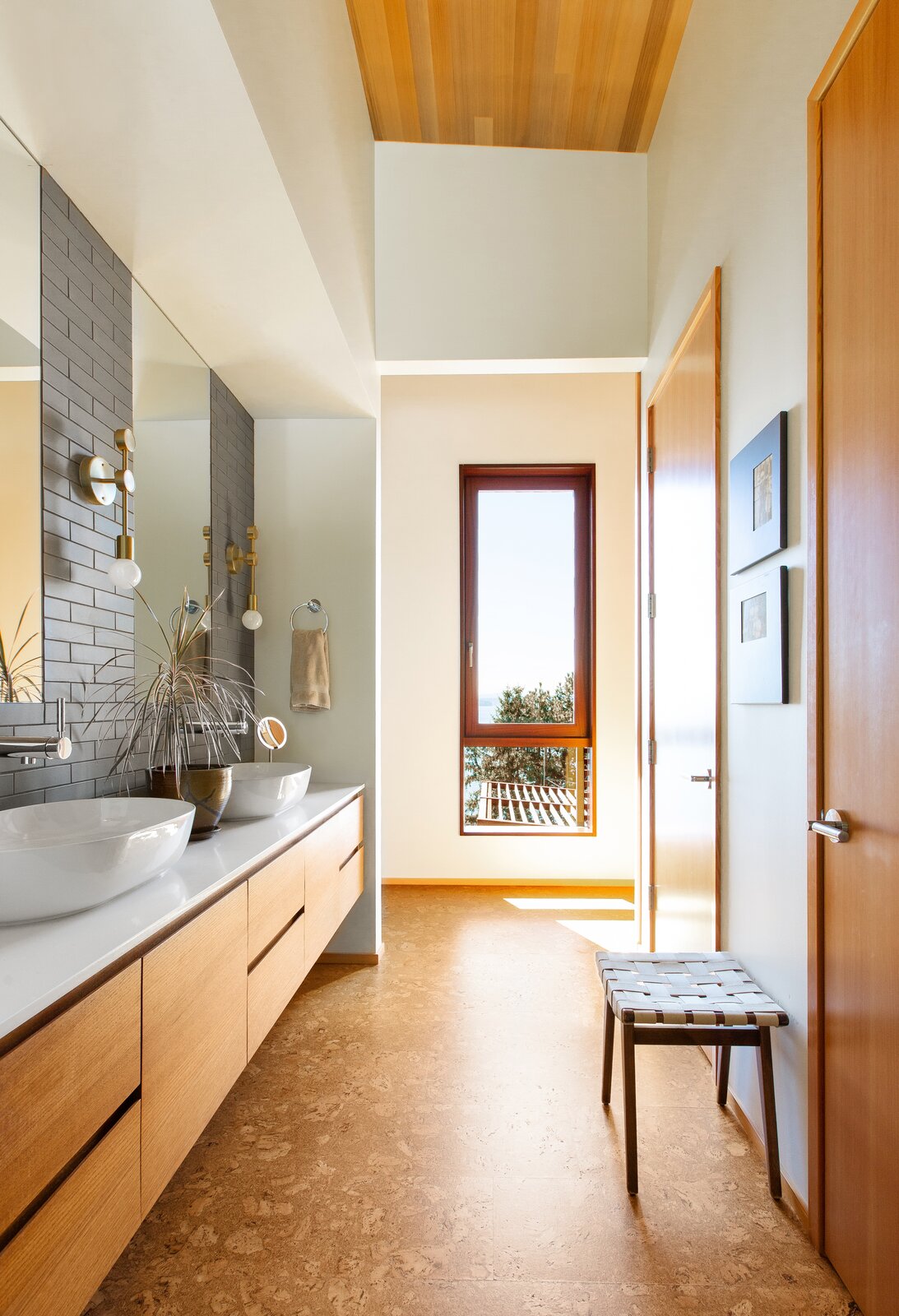
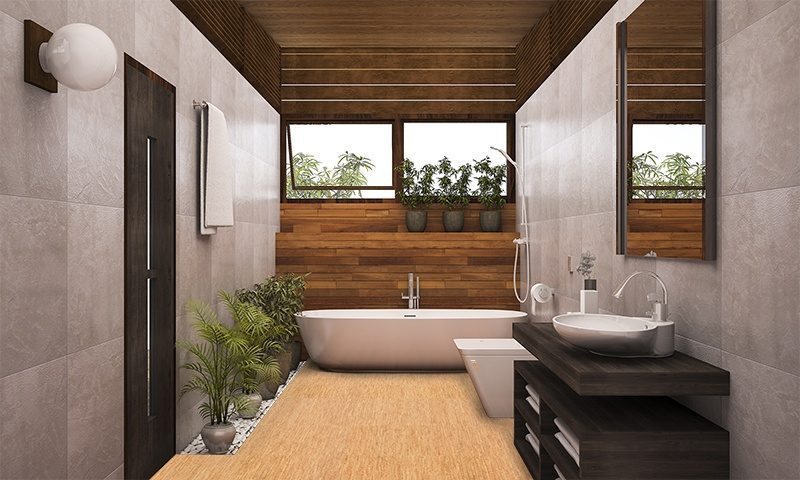
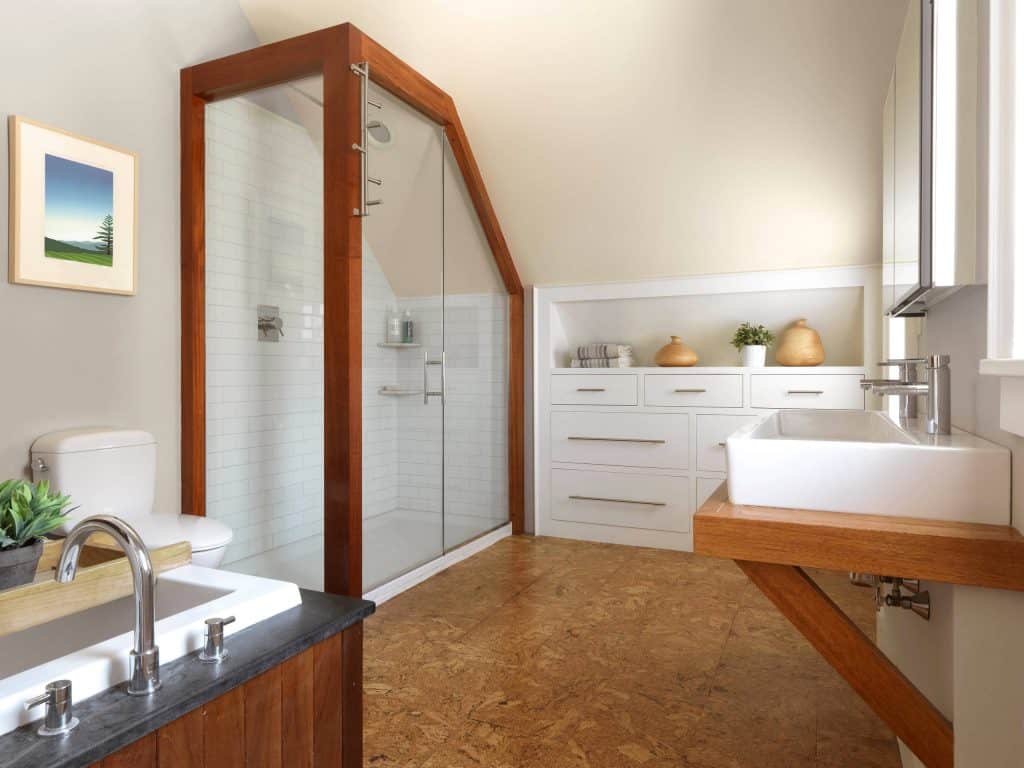
One aspect of cork flooring that constantly surprises visitors is the variety of colors and patterns available. When I first started shopping, I expected only the traditional wine cork color, but I discovered options ranging from light blonde to rich chocolate brown. I chose a medium honey tone that complements both the warm and cool colors in my bathroom palette. The natural variation in the cork grain creates subtle pattern interest without being overwhelming or busy.
The way cork ages has been fascinating to observe. Over three years, my floor has developed a slightly deeper, richer tone that I absolutely love. Unlike some materials that show wear and look tired over time, cork seems to gain character and warmth. The patina development has been even and natural-looking, adding to the organic feel I wanted to achieve in my bathroom design.
Integrating cork with other bathroom materials required some thoughtful planning. I paired it with natural stone countertops and white subway tiles, creating a spa-like atmosphere that feels both modern and timeless. The cork provides warmth that balances the cooler stone and ceramic elements. I’ve found that cork works particularly well with earth tones, warm whites, and natural materials, though I’ve seen beautiful examples paired with more contemporary palettes as well.
Cost Analysis and Value Considerations
The upfront cost of cork flooring for my bathroom was higher than basic ceramic tile but less expensive than natural stone or high-end hardwood. Including professional installation with proper moisture barriers and sealing, I spent about $12 per square foot for my 80-square-foot master bathroom. While this represented a significant investment, I viewed it as a long-term upgrade that would add value to my home while improving my daily experience.
When I factor in the maintenance costs over three years, cork has proven quite economical. Beyond the initial resealing, my expenses have been minimal, just specialized cleaners and occasional touch-up sealant for high-wear areas. Compare this to the grout maintenance, tile replacement, and periodic deep cleaning I dealt with in my previous ceramic tile bathroom, and cork has actually saved me money in the long run.
The energy efficiency benefits have provided ongoing savings that I hadn’t fully anticipated. The insulating properties of cork mean my bathroom stays warmer in winter, reducing heating costs. I’ve also noticed that the floor surface temperature stays more consistent throughout the day, making the space more comfortable to use. While these savings are modest, they contribute to the overall value proposition of choosing cork for bathroom flooring.
How does cork hold up to bathroom moisture and humidity?
With proper sealing, my cork floors handle bathroom moisture beautifully. I’ve had zero issues with warping, mold, or mildew in three years. The key is quality installation with moisture barriers and regular resealing every 2-3 years. I wipe up standing water promptly, but brief exposure from showers hasn’t caused any damage or staining.
Is cork flooring slippery when wet in bathrooms?
Cork provides good grip when dry, but like any smooth surface, it can be slippery when wet. I use bath mats near the shower and tub for safety. The natural texture of cork offers better traction than polished tile, but I still exercise normal bathroom caution when surfaces are wet. Proper sealing helps maintain the slip-resistance.
How comfortable is cork flooring to walk on barefoot?
This is my favorite feature! Cork is incredibly warm and cushioned underfoot, especially compared to tile or stone. The cellular structure provides natural shock absorption, making it comfortable to stand on for extended periods. Even in winter, the floor never feels cold, which has completely transformed my morning routine.
Can cork bathroom floors be repaired if damaged?
Yes, individual cork tiles can be replaced if severely damaged, though I haven’t needed this yet. Small scratches and dents often self-heal due to cork’s natural resilience. For surface damage, light sanding and resealing usually restore the appearance. This repairability was a major selling point compared to other flooring options.

How does cork compare to luxury vinyl for bathroom use?
I considered luxury vinyl but chose cork for its natural properties and comfort. While vinyl is completely waterproof, cork offers better insulation, comfort, and environmental benefits. Cork requires more maintenance but provides a unique, warm feel that synthetic materials can’t match. Both are durable options with different advantages.
What’s the lifespan of cork flooring in a bathroom?
With proper care and regular resealing, cork bathroom floors can last 20+ years. Mine still looks fantastic after three years with proper maintenance. The key is quality installation, appropriate sealing, and following care guidelines. While it requires more attention than some materials, the longevity and performance make it worthwhile.
Best Natural Floors for Bathrooms
Surprising Facts You Need to Know Before Installing Cork

Can Cork Flooring Be Installed in A Bathroom?
Related Posts: