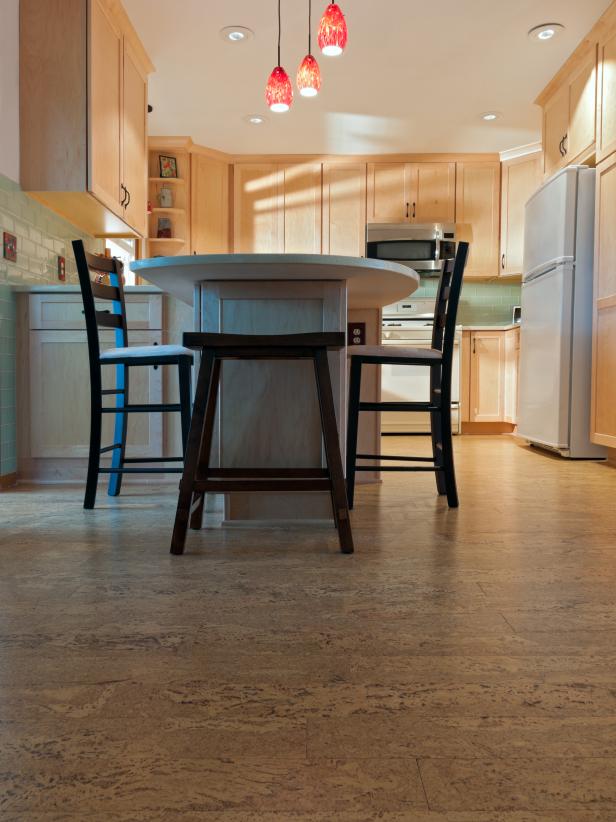
Cork flooring brings a unique blend of warmth, natural beauty, and comfort to any home, but maintaining its appearance requires a bit of know-how. Over the years, I’ve learned that cork demands gentle care and the right approach to cleaning, especially since it’s a natural material with specific needs. Let me share my favorite tips and routines for maintaining cork floors, so you can enjoy their charm and durability for years to come.
Daily Cleaning Routine
My daily cleaning routine for cork flooring is simple but essential. I start by sweeping with a soft-bristled broom or using a vacuum with a gentle brush attachment, making sure to avoid any beater bars that could scratch the surface. Removing dust and debris this way helps prevent tiny scratches that can dull the floor’s finish over time, and it keeps the space feeling fresh and inviting.
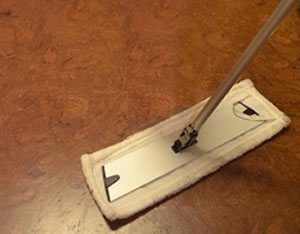
For quick touch-ups, I often use a microfiber dust mop, which is gentle on the cork and picks up fine particles effortlessly. I find that regular sweeping not only maintains the floor’s appearance but also reduces the need for deeper cleaning later on. It’s a small daily habit that pays off in the long run, especially in high-traffic areas where dirt tends to accumulate more quickly.
On days when I notice more dirt than usual, I might vacuum instead, but I always double-check the settings to ensure the vacuum won’t damage the floor. I focus especially on entryways and spots where people tend to gather, as these areas collect the most debris. Keeping up with this routine helps my cork floors look polished and well cared for every day.
Tackling Spills and Stains
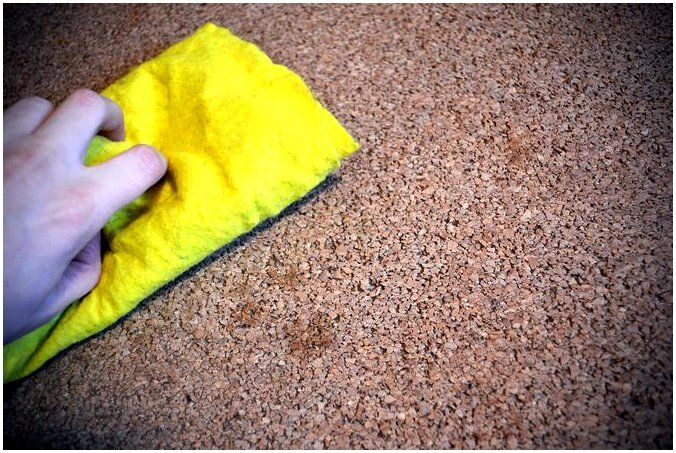
Spills are inevitable, but on cork floors, quick action is key. I always keep a soft cloth handy to blot up any liquid as soon as it happens, since moisture can penetrate the finish and cause damage if left unattended. For sticky spills, I use a slightly damp cloth with a mild pH-neutral cleaner, gently wiping the area until it’s clean and then drying it thoroughly.
If a spill is particularly stubborn or leaves a mark, I avoid using harsh chemicals or abrasive tools, as these can strip the finish or scratch the surface. Instead, I opt for a gentle cleaner specifically designed for cork or hardwood floors, following the manufacturer’s instructions for best results. I’ve found that patience and a light touch are far more effective than aggressive scrubbing.
For food or beverage stains, I mix a small amount of mild dish soap with warm water and use a soft cloth to gently clean the affected area. Afterward, I rinse with a clean, damp cloth and dry the spot immediately to prevent water damage. This approach keeps my cork floors looking pristine without risking harm to their natural surface.
Choosing the Right Cleaning Products
Selecting the right cleaning products is crucial for cork flooring. I always avoid ammonia-based cleaners, oil soaps, and harsh chemicals, as these can dull or damage the finish over time. Instead, I look for pH-neutral cleaners that are gentle and safe for use on natural wood and cork surfaces, ensuring that my floors stay looking their best.
I’ve tried several commercial cleaners, but my favorites are those specifically formulated for cork or hardwood floors, such as Bona or Basic brands. These products are easy to use, leave no residue, and don’t require rinsing, which makes my cleaning routine more efficient. I never spray cleaner directly onto the floor, instead applying it to a mop or cloth to control the amount of moisture.
For deep cleaning, I mix a mild detergent with warm water and use a microfiber mop, making sure to wring it out well so it’s only slightly damp. I mop in sections, rinsing the mop frequently and drying the floor as I go. This method ensures that my cork floors are thoroughly cleaned without being exposed to excessive moisture.
Preventing Scratches and Dents
Protecting cork floors from scratches and dents is a priority in my home. I place felt pads under all furniture legs, especially chairs and tables that are moved frequently, to prevent scuffs and gouges. I also encourage family and guests to avoid wearing high heels or shoes with sharp edges, as these can leave noticeable marks on the soft surface.
In high-traffic areas, I use rugs or mats to catch dirt and moisture before it reaches the floor. I make sure these mats are breathable and cleaned regularly, as non-porous mats can trap moisture and cause damage. By taking these simple precautions, I’ve been able to minimize wear and tear and keep my cork floors looking new.
When moving heavy furniture or appliances, I never drag them across the floor. Instead, I lift them or use furniture sliders to avoid scratches. I also rotate rugs and furniture occasionally to prevent uneven fading from sunlight and to relieve any pressure points that might cause dents over time.

Deep Cleaning and Refinishing
While daily cleaning keeps my cork floors looking great, I schedule a deep clean every few weeks. I start by sweeping or vacuuming to remove loose dirt, then use a microfiber mop and a pH-neutral cleaner to gently clean the entire surface. I make sure to wring out the mop well, as excess water can seep into seams and cause damage.
If I notice any dull spots or signs of wear, I consider applying a fresh coat of water-based polyurethane or a manufacturer-recommended finish. This helps restore the floor’s shine and provides an extra layer of protection. I always follow the manufacturer’s instructions and allow plenty of drying time between coats.
For stubborn stains or areas that need extra attention, I use a soft cloth and a bit of cleaner to spot-clean, then dry the area thoroughly. I avoid steam mops and wax-based products, as these can damage the finish and void warranties. Regular deep cleaning and occasional refinishing keep my cork floors in top condition.
-386x492.jpg)
Maintaining a Cork-Friendly Environment
Creating a cork-friendly environment goes beyond just cleaning. I make sure to manage humidity levels in my home, as excessive moisture can cause cork to warp or swell. I use exhaust fans in bathrooms and kitchens, and I clean up splashes and spills immediately to prevent water damage.
I also protect my floors from direct sunlight, which can cause fading over time. I use curtains or blinds to filter harsh rays and rotate rugs and furniture periodically to ensure even exposure. These small adjustments help preserve the color and integrity of my cork floors.
Finally, I keep an eye on the overall condition of my floors and address any issues as soon as they arise. Whether it’s a loose tile, a stubborn stain, or a worn spot, early intervention prevents bigger problems down the road. By maintaining a cork-friendly environment, I ensure that my floors remain beautiful and functional for years to come.
How often should I clean my cork flooring?
I recommend sweeping or vacuuming your cork floors daily, especially in high-traffic areas, to remove dirt and prevent scratches. For a deeper clean, use a damp mop with a pH-neutral cleaner once a week or as needed. Regular cleaning keeps your floors looking fresh and helps maintain their finish, while immediate attention to spills prevents stains and water damage. Consistency is key to preserving the beauty and longevity of cork flooring.
What cleaning products are safe for cork floors?
Always choose pH-neutral, non-abrasive cleaners specifically designed for cork or hardwood floors. Avoid ammonia-based cleaners, oil soaps, and harsh chemicals, as these can dull or damage the finish. I prefer using mild detergents or commercial products like Bona or Basic, which are gentle and leave no residue. Never use steam mops or wax-based products, as they can harm the cork surface.
How do I remove tough stains from cork flooring?
For tough stains, gently clean the area with a soft cloth and a mild, pH-neutral cleaner. Avoid scrubbing aggressively, as this can scratch the surface. For food or beverage stains, use a mixture of warm water and mild dish soap, then rinse and dry thoroughly. If a stain persists, consult your flooring manufacturer for specific recommendations, as some stains may require special treatment.
Can I use a vacuum on cork floors?
Yes, you can use a vacuum on cork floors, but make sure to use a soft brush attachment and avoid vacuums with beater bars or sharp edges that could scratch the surface. Always check your vacuum’s settings and attachments before use. Regular vacuuming helps remove fine dust and debris that sweeping might miss, especially in hard-to-reach areas.

How do I protect my cork floors from scratches and dents?
Place felt pads under furniture legs, especially chairs and tables that are moved frequently. Use rugs or mats in high-traffic areas to catch dirt and moisture. Avoid dragging heavy objects across the floor, and consider using furniture sliders when moving large items. Rotate rugs and furniture occasionally to prevent uneven fading and relieve pressure points.
How often should I refinish or recoat my cork floors?
Residential cork floors typically need a fresh coat of finish every 3 to 7 years, depending on wear and traffic. If you notice dull spots or the finish is worn, it’s time to recoat. Always use a water-based polyurethane or a finish recommended by your flooring manufacturer. Regular recoating helps protect the cork and keeps it looking new for longer.
How to Clean Cork Floors

How to Clean Cork Floors

Cork Flooring, a Natural Choice
Related Posts: