When I installed cork flooring in my home office and kitchen three years ago, I thought maintenance would be straightforward, like any other hardwood floor. I quickly discovered that cork has its own unique cleaning requirements, and my usual floor care routine nearly ruined my beautiful investment in the first month. After some expensive mistakes, research, and trial-and-error, I’ve developed a cleaning system that keeps my cork floors looking gorgeous while protecting their natural properties. Let me share the techniques I’ve learned so you can avoid the costly errors that taught me these lessons.
Daily Maintenance That Prevents Major Problems
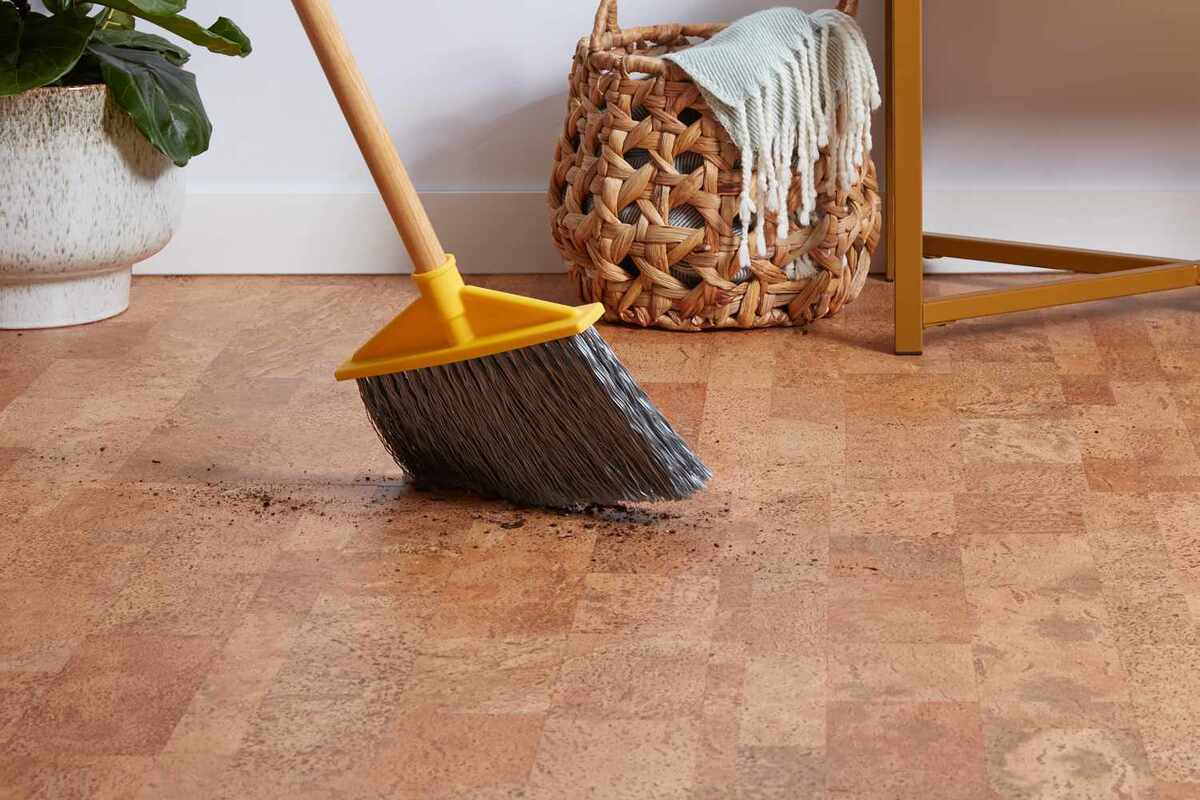
I learned that daily sweeping or vacuuming is absolutely crucial for cork floors because the soft surface can trap dirt and grit that acts like sandpaper underfoot. Unlike hardwood, which can handle some neglect, cork shows wear patterns quickly if debris isn’t removed regularly. I use a soft-bristled broom or vacuum with a hardwood floor setting every single day in high-traffic areas, which takes just five minutes but prevents thousands of tiny scratches.
My biggest early mistake was using a vacuum with a beater bar on my cork kitchen floor, which created permanent indentations in the surface within two weeks. Now I only use vacuums specifically designed for hardwood and cork, with rubber wheels and gentle suction. The investment in the right vacuum cleaner paid for itself by preserving my floor’s appearance and extending its lifespan significantly.
Dust mopping with microfiber pads became my go-to method for quick daily cleaning between deeper maintenance sessions. The microfiber attracts dust and hair without scratching the cork surface, and I can clean my entire 400-square-foot office in under three minutes. I keep dedicated mop pads just for the cork floors since using the same pads on other surfaces can transfer debris that might scratch the cork’s delicate finish.
Proper Wet Cleaning Techniques
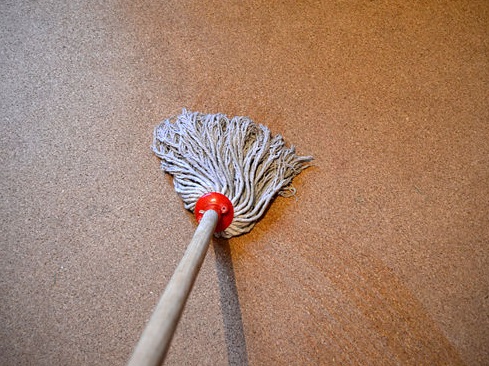
Water is cork’s enemy, and I learned this lesson when my first attempt at mopping left water spots and slight warping in several planks. Cork is naturally moisture-resistant, but standing water can still cause damage if left too long on the surface. I now use a barely damp mop with a specialized cork floor cleaner, wringing out excess water until the mop is almost dry before touching it to my floors.
The key to successful wet cleaning is working in small sections and immediately drying each area with a clean, dry cloth. I clean about 50 square feet at a time, then go back over the same area with a dry microfiber mop to remove any remaining moisture. This technique prevents water from seeping into seams between planks or penetrating the protective finish that keeps my cork floors waterproof.
I discovered that pH-neutral cleaners specifically formulated for cork work much better than generic floor cleaners or household products. Regular dish soap or all-purpose cleaners can strip the protective polyurethane coating, leaving the cork vulnerable to moisture damage and staining. The specialized cork cleaner I use now costs more but protects my significant flooring investment while providing superior cleaning results.
Dealing with Spills and Stains Immediately
Coffee spills taught me that immediate action is essential for preventing permanent staining on cork floors. Within seconds of any liquid hitting my floor, I blot, never wipe, with absorbent paper towels to prevent spreading the spill. Wiping motions can push liquid into the cork’s pores or between planks, creating stains that are difficult or impossible to remove completely.
Different types of spills require specific approaches I’ve learned through experience. Oil-based stains from cooking need immediate treatment with a small amount of dish soap mixed with water, followed by thorough rinsing and drying. Wine or juice spills respond well to a mixture of water and white vinegar, but only if treated within minutes of occurrence. Waiting even an hour can result in permanent discoloration.
Pet accidents presented unique challenges that required specialized enzymatic cleaners designed for natural flooring materials. Regular pet odor eliminators can damage cork’s finish, but enzyme cleaners break down organic compounds without harming the protective coating. I learned to saturate the affected area with enzyme cleaner, let it work for the recommended time, then clean and dry thoroughly to prevent any lingering odors or stains.
Products to Avoid That Can Damage Cork
My most expensive mistake was using a steam mop on my cork floors, thinking the high heat would provide superior sanitization. The steam penetrated between planks and under the protective finish, causing several tiles to warp and buckle within days. The repair cost me over $800 in replacement planks and professional installation, a lesson I’ll never forget about heat and moisture damage to cork flooring.
Acidic cleaners like vinegar, lemon juice, or commercial bathroom cleaners can permanently etch cork’s protective finish, creating dull spots that attract dirt and moisture. I learned this when I tried to remove a stubborn stain with a vinegar solution, which left a permanently dulled area that required professional refinishing. Stick to pH-neutral products specifically designed for cork or natural wood floors.
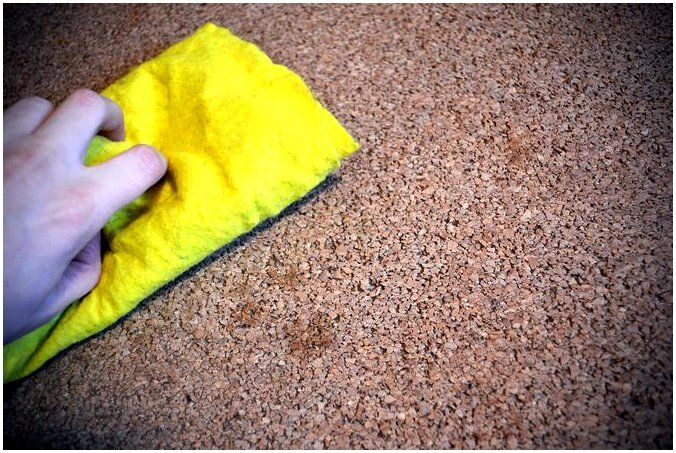
Abrasive cleaners, scouring powders, or steel wool will scratch cork’s surface irreparably since it’s much softer than traditional hardwood. Even seemingly gentle scrubbing pads can leave permanent marks. I now use only soft cloths, microfiber pads, or natural sponges for any spot cleaning, preserving the smooth finish that makes cork floors so beautiful and comfortable underfoot.
Deep Cleaning and Maintenance Schedule
Monthly deep cleaning involves using a specialized cork floor cleaner diluted according to manufacturer instructions, applied with a barely damp mop in sections. I work systematically across the entire floor area, immediately drying each section to prevent any moisture issues. This deeper cleaning removes buildup that daily maintenance can’t address while conditioning the cork to maintain its natural flexibility and appearance.
Every six months, I apply a protective coating specifically designed for cork floors to maintain the factory finish and extend the flooring’s lifespan. This isn’t the same as refinishing hardwood; the cork-specific products penetrate and protect without changing the floor’s appearance or texture. The application takes about two hours for my 400-square-foot space and provides crucial protection against daily wear and moisture.
Annual professional cleaning and inspection became part of my maintenance routine after experiencing early problems from improper care. A flooring specialist can identify potential issues before they become expensive repairs and provide deep cleaning that removes embedded dirt I might miss. The annual service costs about $200, but has prevented several costly repairs and keeps my floors looking showroom-new.

Protecting Cork from Future Damage
Strategic placement of area rugs in high-traffic zones dramatically reduced wear patterns and made daily maintenance easier. I use natural fiber rugs with rubber backing at all entrances and in front of the kitchen sink, which trap dirt and moisture before it reaches the cork surface. The rugs are much easier to clean or replace than refinishing damaged cork flooring.
Furniture pads became essential after I discovered small dents and scratches from chair legs and table bases. I use felt pads under all furniture and replace them every few months as they compress and lose effectiveness. Moving furniture without proper protection can leave permanent indentations in cork’s soft surface, so I’m religious about checking and maintaining these protective barriers.
Climate control helps prevent the expansion and contraction that can cause cork planks to separate or buckle. I maintain consistent temperature and humidity levels year-round using a programmable thermostat and humidifier during dry winter months. This environmental control has eliminated the seasonal gaps and movement issues that plagued my floors during the first year before I understood cork’s sensitivity to environmental changes.

How often should I clean my cork floors, and what’s the minimum maintenance required?
I sweep or vacuum daily in high-traffic areas and weekly in low-traffic spaces. Damp mopping happens weekly in the kitchen, monthly elsewhere. This routine takes about 15 minutes daily and has kept my floors beautiful for three years. Skipping daily debris removal quickly leads to scratches and embedded dirt.
Can I use regular hardwood floor cleaners on my cork flooring?
No! I learned this expensive lesson early. Cork requires pH-neutral cleaners specifically formulated for natural cork. Regular hardwood cleaners can strip cork’s protective finish, and oil-based products can cause permanent staining. I use Bona Cork Floor Cleaner exclusively after trying several products unsuccessfully.

What should I do if my cork floor gets water damage or warping?
Act immediately! Remove standing water, dry thoroughly with fans and dehumidifiers, then assess damage. Minor warping might resolve as the moisture content normalizes, but severe damage requires professional evaluation. I’ve had to replace individual planks twice due to water damage from delayed cleanup.
How do I remove stubborn stains without damaging the cork surface?
Gentle persistence works better than harsh chemicals. I make a paste of baking soda and water for tough stains, let it sit for 30 minutes, then gently scrub with a soft cloth. For oil stains, enzyme cleaners work best. Never use acidic or abrasive products that can permanently damage cork.
Is it worth refinishing cork floors, or should I replace them when they show wear?
Cork can be lightly sanded and refinished, but it’s tricky work best left to professionals. I’ve had minor sections refinished successfully, costing about $3 per square foot versus $8-12 for replacement. However, deep damage or multiple problem areas often make replacement more cost-effective long-term.
How long do cork floors last with proper maintenance and care?
With diligent care, quality cork floors easily last 15-20 years. My three-year-old floors still look nearly new thanks to proper daily maintenance and protective measures. The key is preventing damage rather than trying to repair it later, which requires consistent daily attention to cleaning and protection.

How to Clean Cork Floors: 10 Steps (with Pictures) – wikiHow

How to clean cork floors in the best way?
How to clean cork floors in the best way?
How to Clean Cork Floors: 10 Steps (with Pictures) – wikiHow

Related Posts: