When I first mentioned cork flooring for my kitchen renovation, my friends looked at me like I’d lost my mind. They envisioned wine cork collages from elementary school art class, not sophisticated flooring suitable for a busy family kitchen. After months of research and two years of daily use, I can definitively say that cork flooring has been one of my best home improvement decisions. My experience has included surprising benefits, unexpected challenges, and valuable lessons that completely changed my perspective on what makes ideal kitchen flooring.
The Research Phase That Changed My Mind Completely
I stumbled upon cork flooring while browsing sustainable building materials online. Initially skeptical about its durability in a high-traffic kitchen environment, I began researching its properties and discovered that cork comes from harvesting bark without harming trees. This renewable aspect appealed to my environmental consciousness, but I needed proof it could withstand spilled wine, dropped pots, and constant foot traffic from my family of five.
The technical specifications impressed me more than I expected. Cork’s cellular structure creates natural antimicrobial properties, making it resistant to mold and bacterial growth, a crucial consideration for food preparation areas. Additionally, its natural elasticity provides cushioning that reduces fatigue during long cooking sessions. Reading about its thermal insulation properties convinced me it would be comfortable underfoot during cold winter mornings.
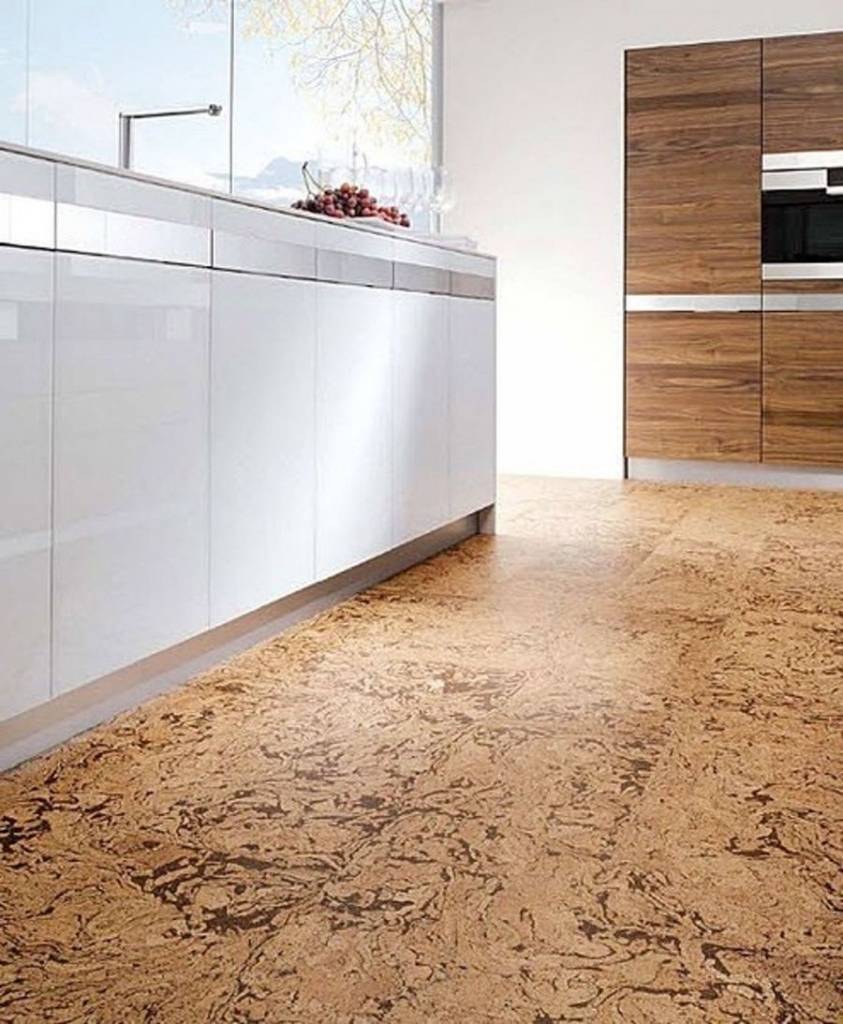
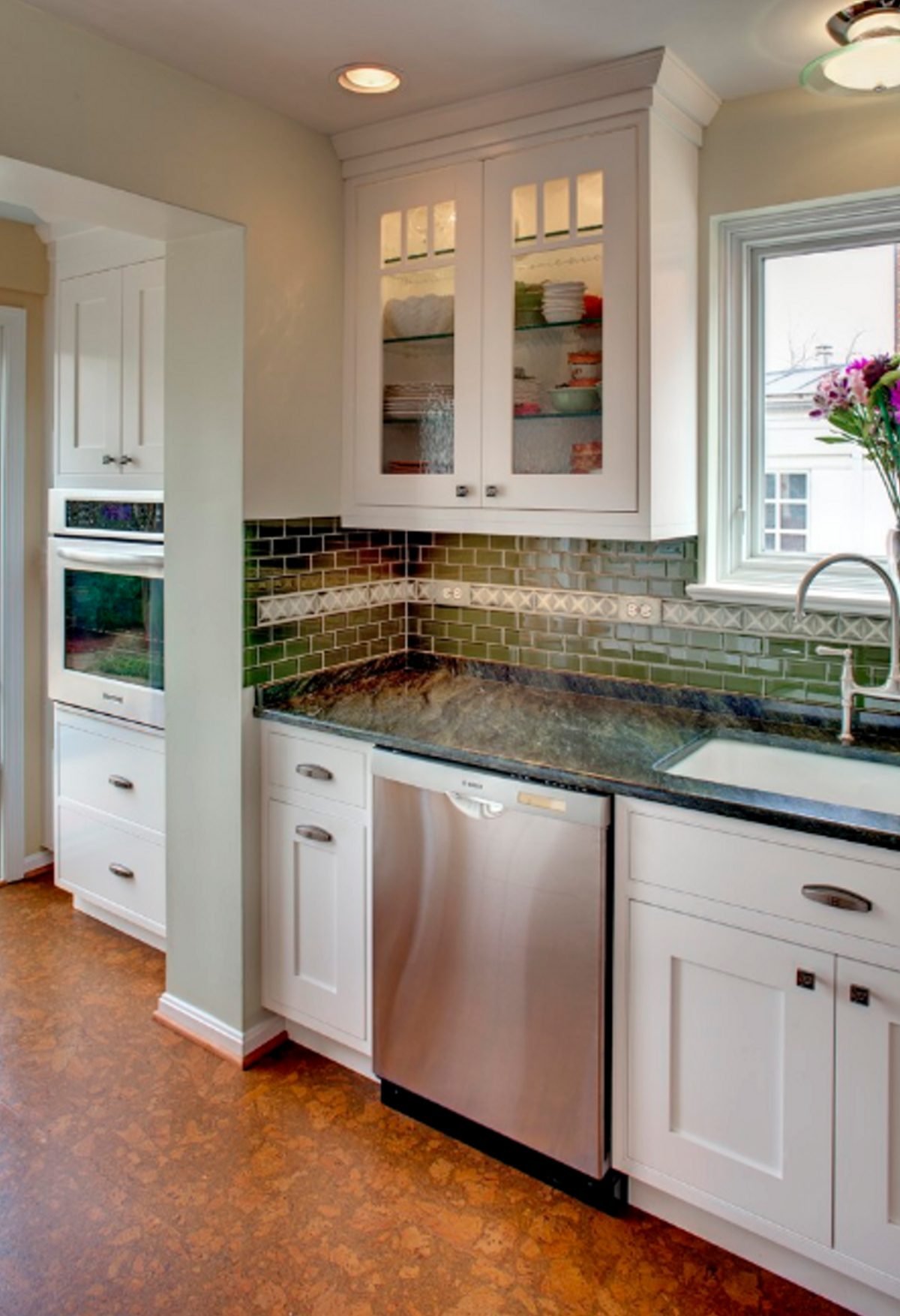
Visiting showrooms revealed the aesthetic versatility I hadn’t anticipated. Modern cork floors look nothing like the bulletin boards from my childhood memories. Available in dozens of colors and patterns, from natural honey tones to rich chocolate browns, cork could complement virtually any kitchen design. I selected a medium brown shade with subtle grain patterns that would hide minor scratches while maintaining visual interest.
Installation Day Reality Check and First Impressions
My contractor warned me about cork’s sensitivity to moisture during installation, emphasizing the importance of acclimating the material to room conditions for 48 hours beforehand. We stored the boxes in my kitchen, allowing the planks to adjust to temperature and humidity levels. This preparation step proved crucial for preventing expansion issues that could cause buckling or gaps after installation.
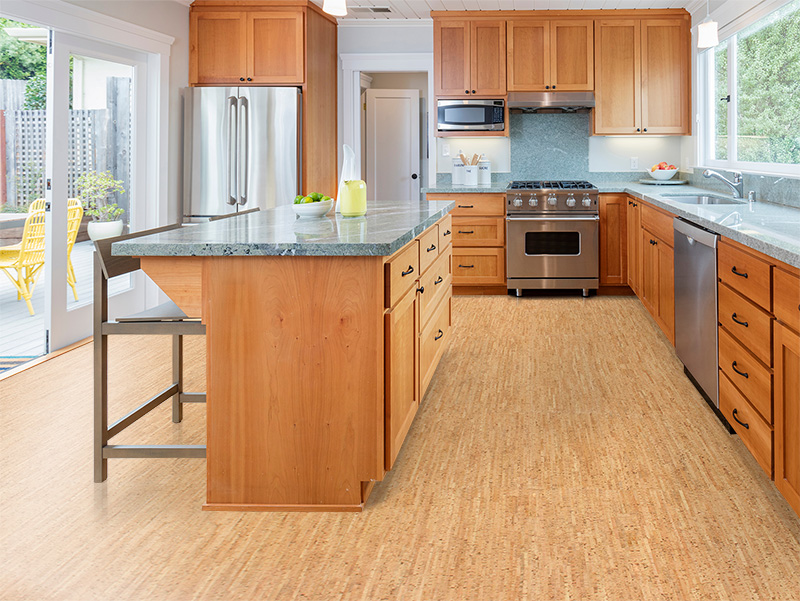
The actual installation process moved surprisingly quickly compared to hardwood or tile. Cork planks feature click-lock systems that eliminate the need for glue or nails in most applications. My installer completed the entire 200-square-foot kitchen in a single day, including transitions to adjoining rooms. The immediate transformation was dramatic, giving my kitchen a warm, organic feel that perfectly complemented my maple cabinets.
Walking on the new floor felt incredible from day one. The natural cushioning provided immediate relief for my back and knees, especially noticeable during meal preparation marathons. The surface felt slightly soft underfoot but not spongy, offering the perfect balance between comfort and stability. I noticed the thermal insulation benefits immediately, as the floor felt pleasantly warm even on chilly mornings.
Daily Performance Under Real Kitchen Conditions
Two years of cooking, entertaining, and family life have thoroughly tested my cork floor’s durability. Dropped knives, spilled red wine, grease splatters, and muddy shoes from three teenagers have all challenged its resilience. I’m pleased to report that most incidents cleaned up easily with simple mopping, and the floor shows minimal visible wear despite constant use and occasional abuse from normal kitchen activities.
The antimicrobial properties proved especially valuable during flu season and food preparation incidents. Spilled raw chicken juice, dropped vegetables, and other kitchen mishaps are cleaned up without leaving lingering odors or stains. I appreciate knowing that the floor’s natural properties help maintain a hygienic environment without requiring harsh chemical cleaners that could damage the surface or pose health risks to my family.
Comfort during extended cooking sessions remains one of cork’s greatest benefits. Holiday meal preparation, which previously left my feet and back aching, now feels manageable thanks to the floor’s cushioning properties. Guests consistently comment on how comfortable the kitchen feels underfoot, and several have asked for flooring recommendations after experiencing the difference during extended visits.
Maintenance Routines That Keep It Looking Perfect
Daily maintenance requires nothing more than sweeping or dry mopping to remove crumbs and debris. Weekly damp mopping with pH-neutral cleaners keeps the surface looking fresh without damaging the protective finish. I avoid excessive water and harsh chemicals, instead relying on microfiber mops that clean effectively while protecting the cork’s natural properties and maintaining its appearance.
Monthly deep cleaning involves applying cork-specific cleaners that nourish the material while removing built-up grime. I use products recommended by the manufacturer, as generic floor cleaners can sometimes contain ingredients that damage cork’s cellular structure. This specialized maintenance routine takes minimal time but preserves the floor’s beauty and extends its lifespan significantly.
Annual refinishing has become my most important maintenance ritual. Unlike hardwood floors that require expensive professional sanding and refinishing, cork floors can be refreshed with the simple application of protective coatings. I apply water-based polyurethane annually, which restores the protective barrier and maintains the floor’s resistance to moisture and stains. This DIY process costs under $100 and keeps my floor looking showroom-fresh.

Unexpected Challenges and How I Overcame Them
Heavy appliances created my biggest concern initially. Moving my refrigerator for repairs revealed permanent indentations where the feet had compressed the cork over time. I learned to use appliance pads and furniture coasters to distribute weight more evenly. While the indentations were noticeable up close, they became less apparent as the surrounding cork adjusted and normal wear patterns developed.
Temperature fluctuations caused minor expansion during my first summer, creating small gaps at room transitions. My contractor returned to adjust the expansion strips, explaining that cork needs more accommodation for movement than traditional flooring materials. Once properly addressed, seasonal expansion became unnoticeable, and the floor maintained a consistent appearance throughout subsequent temperature changes.
Pet accidents tested the floor’s moisture resistance beyond normal use. My dog’s occasional incidents required immediate cleanup to prevent penetration into seams between planks. I learned that while cork resists moisture well, standing liquids can eventually cause problems if not addressed promptly. Quick response and thorough drying prevented any permanent damage or odor issues.

Long-Term Satisfaction and Would I Choose It Again
After two years of daily use, I remain thoroughly satisfied with my cork flooring choice. The combination of comfort, sustainability, and aesthetic appeal continues to meet my expectations. Minor wear patterns have developed in high-traffic areas, but they blend naturally with the cork’s organic appearance rather than looking like damage or deterioration that requires immediate attention.
The environmental benefits provide ongoing satisfaction beyond the practical performance. Knowing that my flooring choice supports sustainable forestry practices and reduces environmental impact makes me feel good about the decision daily. The renewable nature of cork harvesting aligns with my values while providing a beautiful, functional surface that enhances my kitchen’s overall appeal.
If I were renovating again, I would choose cork flooring without hesitation. The comfort benefits alone justify the decision, but combined with easy maintenance, environmental responsibility, and unique aesthetic appeal, cork represents exceptional value. I frequently recommend it to friends considering kitchen renovations, especially those who spend significant time cooking or have concerns about joint comfort during extended standing periods.

How does cork flooring handle water spills and moisture in kitchens?
Cork naturally resists moisture better than hardwood, but requires prompt cleanup of spills to prevent seepage between planks. I’ve dealt with everything from wine spills to dishwasher leaks without permanent damage, as long as I cleaned promptly and dried thoroughly. The key is immediate response and avoiding standing water. Cork’s cellular structure helps it recover from minor moisture exposure, unlike laminate, which can swell permanently. However, proper sealing during installation and annual maintenance is crucial for maintaining water resistance over time.
Does cork flooring show scratches and dents easily under kitchen use?
Light scratches occur with normal use but blend naturally with cork’s organic texture, making them less noticeable than on smooth surfaces like hardwood or laminate. Heavy appliances will create permanent indentations, so I use protective pads under everything. Dropped knives and pots cause minor surface marks that often disappear as the cork’s cellular structure recovers over time. The natural variation in cork’s appearance helps camouflage wear patterns that would be obvious on uniform surfaces, making it quite forgiving for busy kitchen environments.

What’s the cost comparison between cork and other kitchen flooring options?
Quality cork flooring costs $4-8 per square foot installed, positioning it between laminate and hardwood. My 200-square-foot kitchen cost $1,400 total, including installation, compared to $2,800 quotes for hardwood and $900 for quality laminate. While more expensive than basic options, cork’s longevity and comfort justify the investment. Factor in easy maintenance and refinishing capabilities, and cork becomes cost-effective long-term. Professional installation is recommended for moisture barriers and proper expansion accommodation.
How comfortable is cork flooring for extended standing while cooking?
The comfort difference is remarkable compared to tile or hardwood surfaces. Cork’s natural cushioning reduces fatigue significantly during long cooking sessions, holiday meal prep, or extended entertaining. My back and knee pain from standing decreased noticeably after installation. The thermal insulation keeps floors warm underfoot, eliminating the shock of cold surfaces on winter mornings. Guests consistently comment on the comfortable feel, and several friends have chosen cork for their kitchens specifically because of experiencing the comfort benefits in mine.
Can you refinish cork floors yourself, or do they need professional treatment?
DIY refinishing is possible and much simpler than hardwood floors. I apply water-based polyurethane annually using standard paint rollers and brushes, with no sanding required. The process takes one afternoon and costs under $100 for my kitchen. Deep damage might require light sanding, but normal wear refreshes easily with new topcoats. Professional refinishing isn’t necessary unless you have extensive damage or want to change the finish type. This easy maintenance is one of cork’s biggest advantages over traditional hardwood flooring.
Does cork flooring work well with radiant heating systems in kitchens?
Cork performs excellently with radiant heating due to its natural insulation properties and dimensional stability. The cellular structure provides thermal resistance while remaining stable under temperature changes. I don’t have radiant heating, but I researched extensively because I considered adding it. Cork’s flexibility handles thermal expansion better than rigid materials like tile or stone. Most manufacturers approve cork for radiant applications with proper installation techniques. The combination would provide ultimate comfort for kitchen environments where extended standing is common.

CORK FLOORING An Architect Explains And Reviews
Advantages Of A Cork Floating Floor Over Glue-Down Cork Tiles

Using Cork Floor Tiles in Your Kitchen
The Pros and Cons of Cork Flooring In Kitchen
Related Posts: