When I decided to renovate my covered patio two years ago, I wanted something warm and comfortable underfoot but didn’t want traditional deck boards or cold concrete. I know this sounds crazy, but I installed specially treated cork flooring in my screened-in porch, and it’s been a fascinating experiment. I won’t pretend cork is ideal for all outdoor situations, but in my protected, covered space with proper sealing and maintenance, it’s created a unique indoor-outdoor transition that feels cozy and inviting. Let me share what I’ve learned about pushing cork’s boundaries.
Understanding Cork’s Outdoor Limitations
I need to be completely honest upfront: standard indoor cork flooring is absolutely not suitable for outdoor use. Cork is porous and will absorb moisture, warp, rot, and deteriorate rapidly when exposed to rain, direct sun, and temperature extremes. I learned this after researching extensively and nearly giving up on my cork outdoor dream. The key is understanding that only specially treated cork in very specific protected environments has any chance of survival.
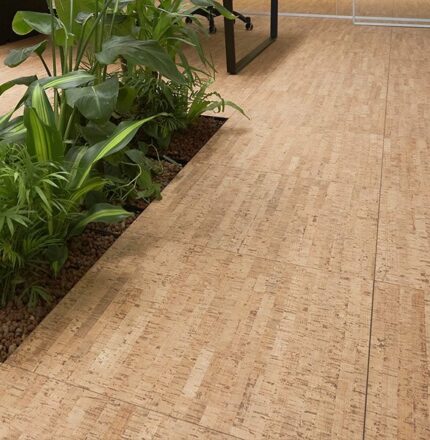
My screened-in porch is essentially a three-season room with a solid roof, screening on three sides, and the house wall on the fourth side. It never gets direct rain, has minimal sun exposure, and stays relatively dry. Even in this protected environment, I wouldn’t use standard cork. I sourced cork specifically designed for high-moisture commercial applications, then added multiple layers of marine-grade polyurethane sealer that created a nearly waterproof barrier.
The climate in my area is temperate without extreme temperature swings, which matters tremendously. Cork expands and contracts with temperature and humidity changes. In regions with harsh winters, scorching summers, or high humidity year-round, even protected cork would struggle. I’m in the Pacific Northwest where temperatures rarely exceed 85°F or drop below 30°F, and my covered porch stays even more moderate. This moderate climate is crucial to my cork’s survival outdoors.
Proper Sealing: The Most Critical Factor
Sealing made the difference between success and disaster for my outdoor cork. I applied six coats of marine-grade spar urethane, which is designed for boat decks and outdoor wood. This was double the typical three coats used indoors. Each coat required 24 hours of drying time, so the sealing process alone took nearly two weeks. I sealed the entire surface, all edges, and even the undersides of tiles before installation.
Between coats, I lightly sanded with fine-grit paper to ensure good adhesion. This created a mechanical bond between layers rather than relying solely on chemical adhesion. The result is a thick, durable coating that repels water like a raincoat. I tested sealed cork samples by submerging them in water for 48 hours before committing to the full installation, and they showed no water absorption or swelling.
I reseal the entire porch floor every six months without fail, adding a fresh protective coat. This frequent maintenance is essential for outdoor cork survival. After two years and four resealing sessions, the cork still looks good and shows no signs of moisture damage. The marine-grade sealer has held up to foot traffic, furniture weight, and the occasional windblown rain that makes it through the screening. This intensive sealing regimen is absolutely non-negotiable for outdoor cork applications.
Installation Considerations for Protected Outdoor Spaces
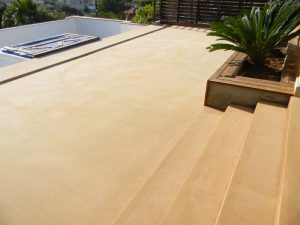
I used the glue-down method for my porch cork rather than floating installation. Outdoor temperature fluctuations, even in protected spaces, are more extreme than indoors, and I didn’t want the floor shifting or developing gaps. I used exterior-grade construction adhesive rated for temperature extremes and moisture exposure. This permanent installation has kept everything stable through seasonal changes.
The substrate preparation was more involved than indoor installations. I started with a concrete porch slab that I thoroughly cleaned, patched, and sealed with concrete sealer. Any moisture wicking up through the concrete would destroy cork from below, so creating a waterproof barrier beneath the cork was essential. I also ensured perfect drainage away from the porch so water never pools near the cork surface.
I left larger expansion gaps around the perimeter than I would indoors, about three-quarters of an inch instead of the typical half inch. These gaps, covered by trim, allow the cork to expand during humid summer months without buckling. I also installed weather stripping at the threshold between the porch and interior door to prevent rain from blowing underneath during storms. These protective details have been crucial for maintaining the installation’s integrity.
Weathering the Elements in a Covered Space
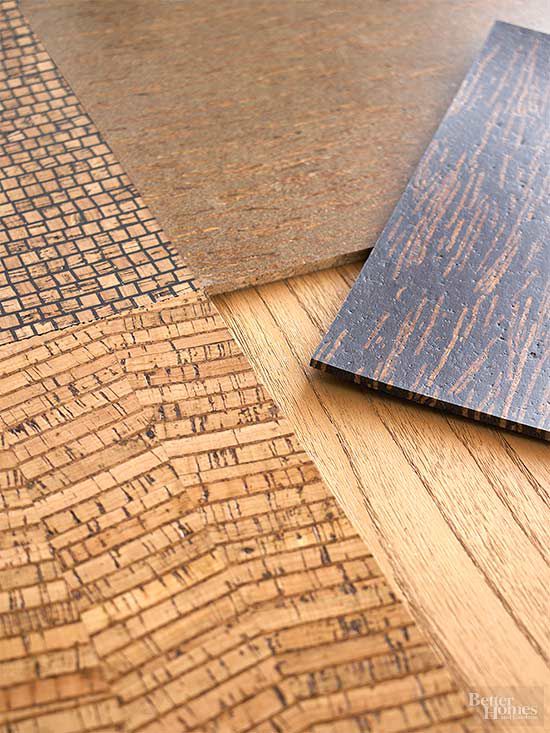
Even in my protected porch, the cork experiences more environmental stress than indoor flooring. Summer humidity causes slight expansion that I can feel as a subtle softness underfoot. Winter brings minor contraction that creates hairline gaps between some tiles. These seasonal movements are normal and haven’t caused structural problems, but they’re more pronounced than with indoor cork that experiences stable climate control.
Temperature extremes test the cork’s limits. On rare 85°F days when the porch heats up, the cork feels slightly softer and more pliable. During cold snaps near freezing, it becomes harder and less cushioned. These changes don’t damage the cork but do alter its feel and performance. I’ve accepted that outdoor cork won’t maintain the consistent comfort of indoor applications, but it still performs better than concrete or composite decking would.
Sun exposure, even indirect, has caused very slight fading over two years. The north-facing porch gets minimal direct sun, but ambient UV light has lightened the cork’s honey tones by maybe half a shade. The marine-grade sealer includes UV inhibitors that have slowed this process significantly. In a south or west-facing location with more sun, fading would be much more pronounced. I’m fortunate my porch orientation minimizes this issue.

Maintenance Requirements for Outdoor Cork
My maintenance routine for outdoor cork is significantly more intensive than indoor applications. I sweep the porch daily to remove leaves, dirt, and debris that blow through the screening. This prevents abrasive particles from wearing down the protective sealer. Weekly, I mop with a barely damp mop and pH-neutral cleaner, immediately drying the surface with towels to prevent any moisture from lingering on the cork.
Monthly, I inspect the sealer for any worn spots or damage. High-traffic areas near the door show slightly more wear, and I touch up these spots with additional sealer as needed. This preventive maintenance prevents moisture from finding weak points in the protective coating. I also check for any separation at seams or edges where water could potentially penetrate, addressing issues immediately before they become problems.
The biannual resealing is a major project requiring clearing the entire porch, cleaning thoroughly, and applying fresh marine-grade sealer. This takes a full weekend and renders the porch unusable for several days while the sealer cures. It’s honestly a lot of work, and I question whether cork is worth this effort compared to low-maintenance alternatives. However, the unique comfort and aesthetic keep me committed to the maintenance schedule.
Realistic Assessment: When Cork Outdoors Works
After two years, I can say cork outdoors works only in very specific circumstances. My covered, screened porch in a moderate climate with diligent maintenance has been successful. But I wouldn’t recommend outdoor cork for open decks, patios exposed to rain, areas with extreme weather, or spaces that can’t receive intensive maintenance. The application window for outdoor cork is extremely narrow.
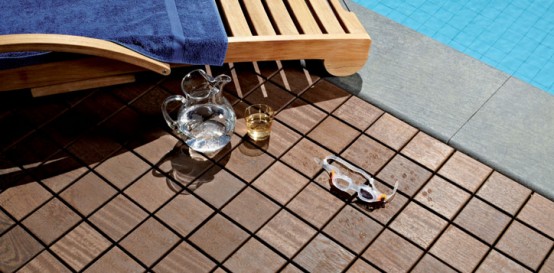
The benefits in appropriate settings are real. The cork surface stays cooler than composite decking in summer and warmer than stone or concrete. The cushioning makes the porch comfortable for barefoot walking and extended sitting on floor cushions. The natural aesthetic creates a warm, inviting transition between indoors and outdoors that other materials can’t match. These advantages justify the effort for me in my specific situation.
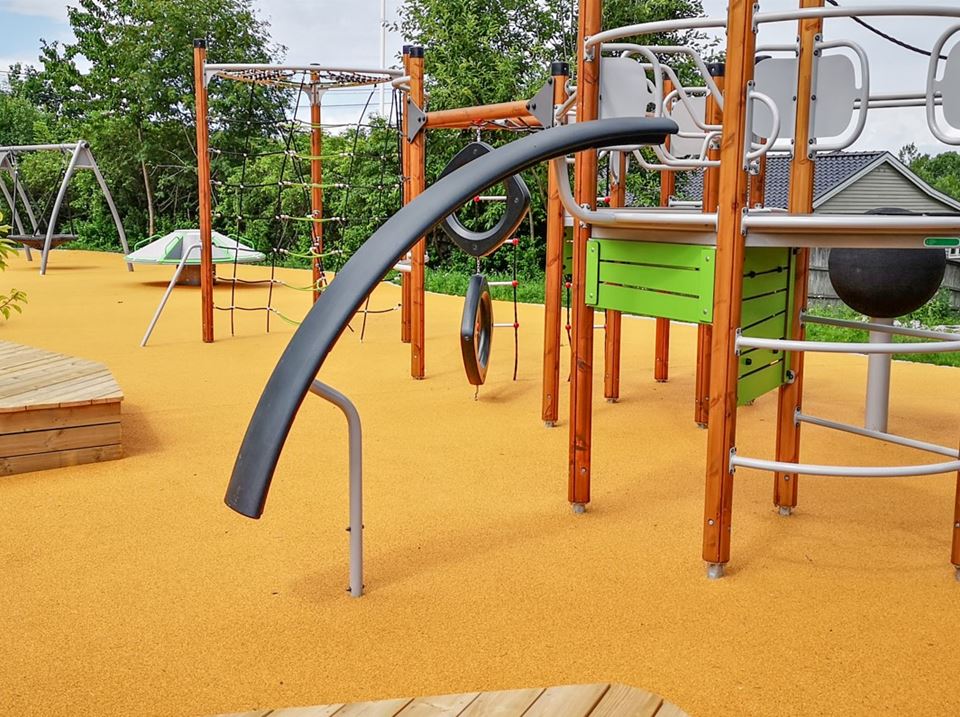
If I were doing this project again knowing what I know now, I’d probably choose a high-quality outdoor rubber flooring designed to look like cork. These products offer similar comfort and aesthetics with better weather resistance and lower maintenance. However, I don’t regret my cork experiment. It’s taught me about material limitations, proper protection methods, and creative problem-solving. The unique space it’s created has been worth the extra effort, even if it’s not a solution I’d recommend to most people.
Can standard cork flooring be used outdoors?
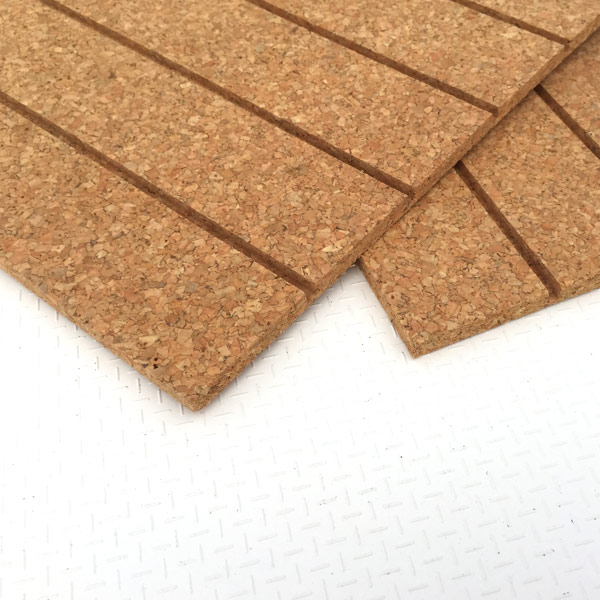
Absolutely not. Standard indoor cork will fail rapidly outdoors from moisture, sun, and temperature exposure. Even my specialized application uses commercial-grade cork with extreme sealing measures in a fully protected space. Outdoor cork requires moisture-resistant cork products, marine-grade sealers, and protection from direct weather. It’s not a typical or recommended application.
How long will outdoor cork flooring last?
In my protected, maintained installation, I’m hoping for 5-7 years before replacement becomes necessary. This is much shorter than indoor cork’s 20-year lifespan. The intensive maintenance and environmental stress take their toll. In less ideal conditions or with inadequate maintenance, outdoor cork could fail in just 1-2 years. It’s not a long-term solution.
Is outdoor cork flooring worth the maintenance effort?
Honestly, for most people, probably not. The biannual resealing and constant vigilance required are significant commitments. I enjoy the unique result and find the maintenance meditative, but I recognize it’s excessive compared to composite decking or tile. Cork outdoors makes sense only if you highly value its specific aesthetic and comfort properties.
What’s the best alternative to cork for covered outdoor spaces?
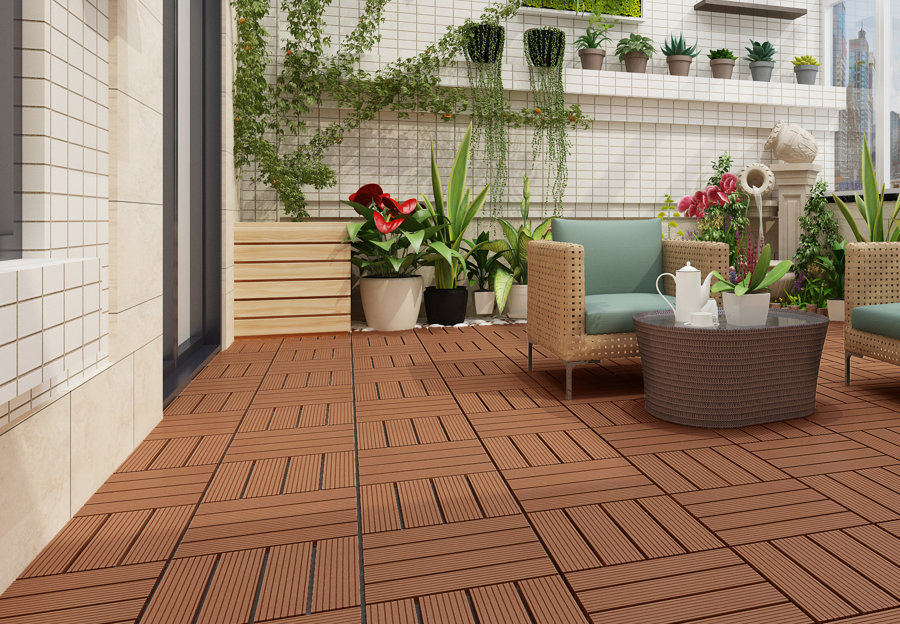
Outdoor rubber flooring tiles that mimic cork or wood are excellent alternatives. They offer similar comfort and warmth with vastly better weather resistance and minimal maintenance. Porcelain tile that looks like wood is another option with good durability. For my next project, I’d seriously consider these alternatives despite loving my cork’s aesthetic.
Can you install cork on an uncovered deck or patio?
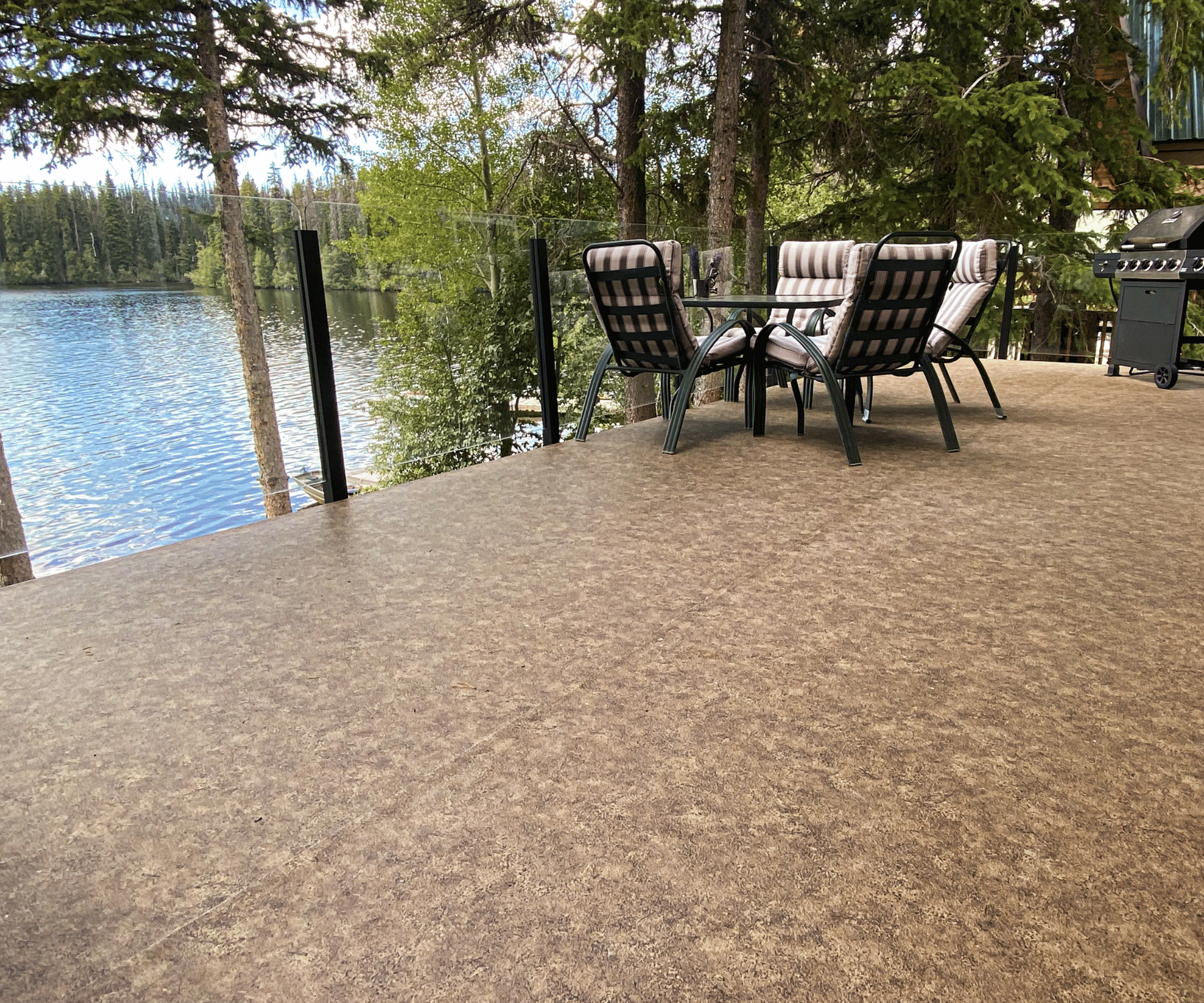
No, don’t do this. Cork needs protection from direct rain and sun to have any chance outdoors. Even with the most aggressive sealing, exposed cork will absorb water, warp, fade, and deteriorate within months. Cork is only remotely viable in fully covered, protected spaces like screened porches or covered breezeways with no weather exposure.
Does outdoor cork get moldy or mildewed?
Cork has natural antimicrobial properties that resist mold, which has helped my installation. However, if moisture penetrates the sealer and gets trapped, mold could grow. My aggressive sealing and allowing the cork to dry completely between rain events has prevented mold issues. In damper climates or poorly sealed applications, mold would definitely be a concern.
Outdoor Flooring & Tile Wayfair
Ways Cork Can Make Your Home Pop – Dwell
Related Posts: