When I decided to transform our basement into a home gym three years ago, I researched every flooring option imaginable. Rubber mats seemed like the obvious choice, but after talking to a fitness equipment dealer who swore by cork flooring, I decided to take the plunge. I’ll be honest, I was nervous about spending more money on something I’d never heard of for gym use. But after three years of intense workouts, dropped weights, and my teenage son’s basketball training sessions, I can confidently say that cork gym flooring was one of the smartest investments I’ve made for our home fitness space.
Understanding Cork’s Natural Properties for Fitness Spaces
I was amazed when I learned about cork’s incredible natural properties that make it perfect for gym environments. Cork comes from the bark of cork oak trees, and its cellular structure is filled with tiny air pockets that create natural cushioning and shock absorption. When I first stepped on the sample tiles, I immediately felt the difference compared to concrete or traditional gym rubber. The surface gave just enough to protect my joints during high-impact exercises while still providing the stability I needed for weightlifting.
The antimicrobial properties of cork were a huge selling point for me, especially since I was creating a space where sweating would be inevitable. Cork naturally resists bacteria, mold, and mildew without any chemical treatments. This was particularly important because our basement tends to be more humid than the rest of the house. I’ve never had to worry about odors or hygiene issues that I experienced with rubber gym mats in the past. The natural resins in cork create an inhospitable environment for germs and microorganisms.
Temperature regulation was another unexpected benefit I discovered after installation. Cork maintains a comfortable temperature year-round, unlike concrete that feels freezing in winter or rubber that can become uncomfortably warm in summer. During my early morning workouts, I can walk barefoot on the cork surface without that shocking cold sensation I used to get from our old concrete floor. The insulating properties also help with the overall comfort of the space, making it more inviting for longer workout sessions.
Choosing the Right Cork Format for Your Gym Setup
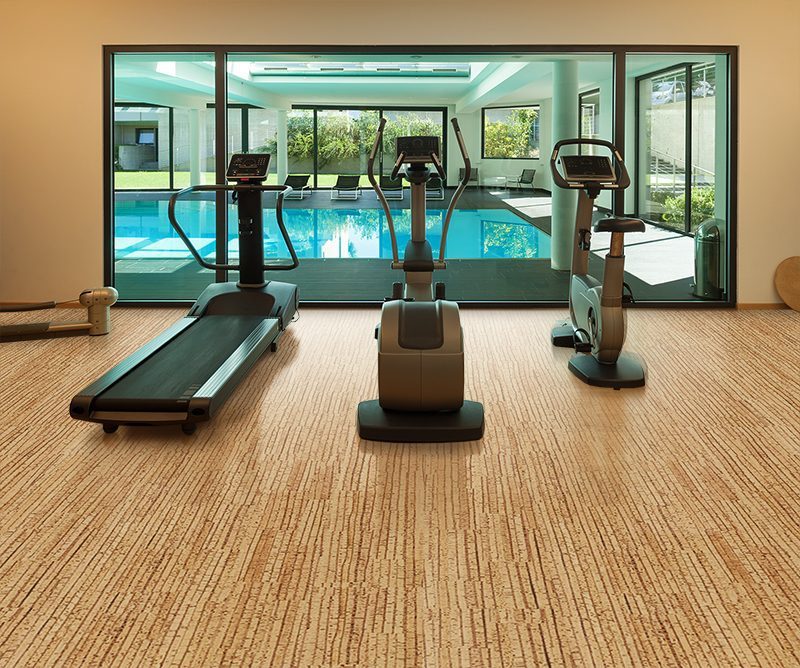
When selecting cork flooring for my gym, I had to choose between tiles, planks, and roll formats. I ultimately went with 12-inch square tiles because they offered the perfect balance of easy installation and replacement flexibility. If one tile gets damaged from a particularly heavy-weight drop, I can replace just that single tile rather than dealing with an entire section. The click-together system made installation straightforward, and I was able to handle the project myself over a weekend.
Cork planks were tempting because they mimicked the look of hardwood, but I felt they might not provide the same durability for gym equipment. The seams between planks could potentially create weak points where heavy equipment might cause problems. The tile format distributed weight more evenly and created a more uniform surface for rolling gym equipment around. The square format also made it easier to create patterns and define different workout zones within my space.
Roll cork was the most economical option, but I decided against it because of installation complexity and potential for damage. Large rolls require professional installation and perfect subfloor preparation. If damaged, entire sections need replacement rather than individual pieces. The tiles gave me the flexibility to customize my layout and easily work around existing basement features like support posts and utility connections. I could also mix different cork colors to create visual zones for different types of exercises.
Installation Process: Easier Than I Expected
Installing cork gym flooring turned out to be much more straightforward than I anticipated, even for someone with limited DIY experience like myself. The most important step was ensuring my concrete subfloor was completely level and clean. I spent most of my preparation time filling small cracks and grinding down high spots. Cork is forgiving with minor imperfections, but major irregularities would have created problems with the locking mechanism between tiles.
The actual installation process was surprisingly quick once I got into a rhythm. Each tile locked into place with a simple click system that required no adhesive or special tools. I started in the center of the room and worked outward, which helped ensure everything stayed square and aligned. The tiles were surprisingly lightweight compared to rubber alternatives, making handling easy even when working alone. I completed my 400-square-foot gym space in about six hours over a Saturday.
Cutting tiles to fit around obstacles was simpler than expected, using a sharp utility knife anda straightedge. Cork cuts cleanly without splintering or creating jagged edges. I used a jigsaw for more complex cuts around pipes and posts. The material didn’t create excessive dust during cutting, and cleanup was minimal. By Sunday evening, I was already using my new gym space. The immediate availability after installation was a huge advantage over options that require curing time or professional finishing.
Performance During Different Types of Workouts
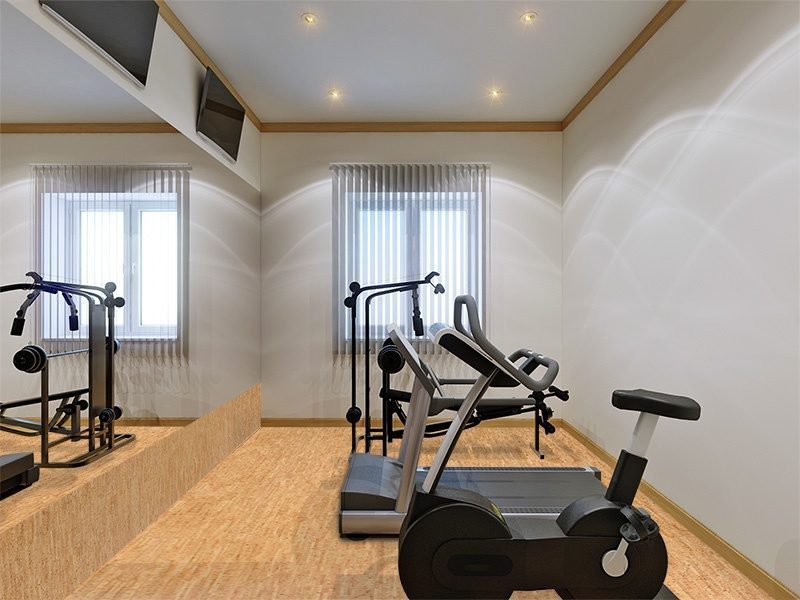
After three years of varied workout routines, I can speak confidently about how cork performs across different exercise types. For weightlifting, the surface provides excellent stability while still offering enough cushioning to protect both my joints and the floor itself. I’ve dropped barbells and dumbbells numerous times, and while I don’t recommend it, the cork has held up remarkably well. The natural resilience of the material absorbs impact without permanent indentation or damage.
Cardio workouts feel completely different on cork compared to concrete or rubber. The slight cushioning reduces stress on my knees and ankles during jumping exercises and high-intensity interval training. I notice significantly less joint fatigue after plyometric workouts compared to when I exercised on harder surfaces. The texture provides just enough grip to prevent slipping during lateral movements while still allowing smooth pivoting when needed for dance workouts or martial arts practice.
Yoga and stretching sessions are particularly enjoyable on cork flooring. The natural warmth and slight give of the surface make floor exercises more comfortable than they were on concrete. I can practice yoga directly on the cork without needing thick mats, though I still use thin mats for extra cushioning during longer sessions. The antimicrobial properties give me confidence about hygiene when doing floor exercises, especially during hot yoga sessions where I sweat considerably.
Maintenance and Long-Term Durability
Maintaining cork gym flooring has been remarkably simple, requiring far less effort than I expected when I first installed it. Daily maintenance consists of a quick sweep or vacuum to remove dust and debris. Weekly mopping with a damp cloth and mild cleaner keeps the surface looking fresh and hygienic. I avoid harsh chemicals and excessive water, sticking to pH-neutral cleaners specifically designed for cork floors. The natural antimicrobial properties mean I don’t need disinfectants for routine cleaning.
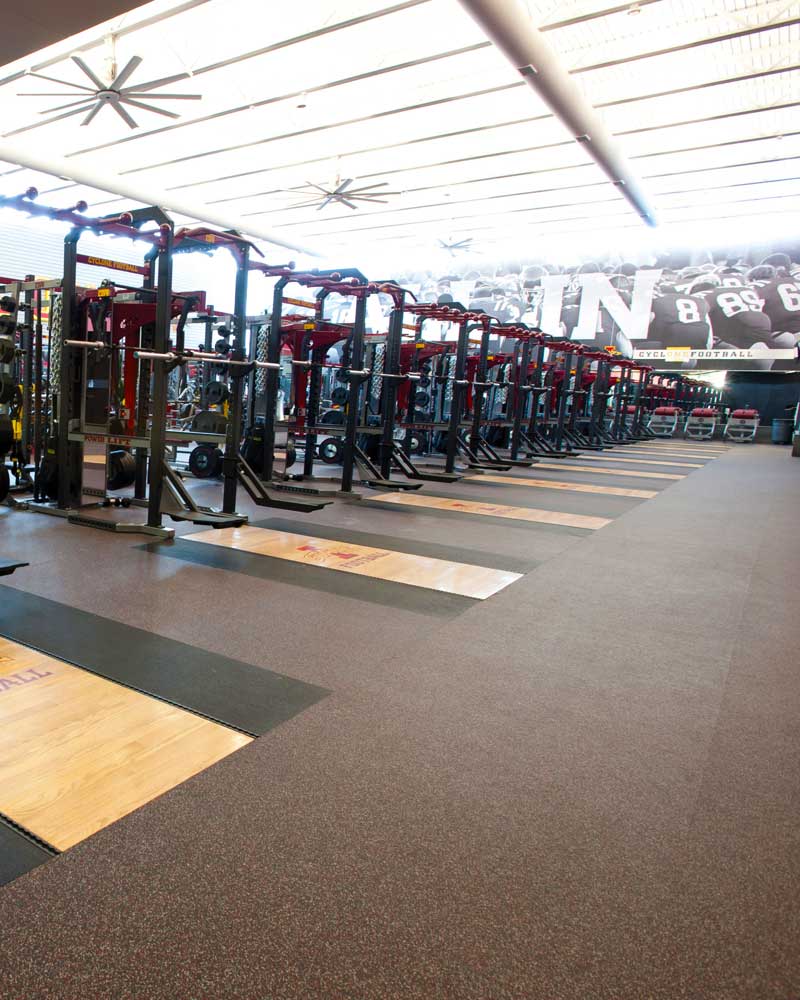
The durability has exceeded my expectations despite heavy use from multiple family members. High-traffic areas show minimal wear after three years of daily workouts. A few tiles have small dents from equipment drops, but these actually add character rather than detracting from the appearance. The natural variation in cork patterns helps camouflage minor imperfections that might be obvious on uniform surfaces. I’ve replaced only two tiles due to damage, both from accidentally dropping a heavy barbell plate from shoulder height.
Long-term care involves occasional resealing to maintain water resistance and appearance. I applied a cork-specific sealer after the first year and plan to repeat every two to three years. The process is simple and can be done while continuing to use most of the gym space. Cork’s natural resilience means it doesn’t compress permanently like some foam materials, maintaining its cushioning properties even after thousands of workouts. The investment continues to pay dividends in comfort and performance.

Cost Comparison and Value Analysis
When I initially priced cork gym flooring, the upfront cost was higher than rubber mats or interlocking foam tiles, but lower than premium rubber rolls or specialized gym flooring systems. I paid approximately $4 per square foot for quality cork tiles, which was about twice the cost of basic rubber mats but significantly less than commercial-grade gym flooring. Installation costs were minimal since I handled it myself, though professional installation would add $2-3 per square foot.
The long-term value has proven excellent when considering durability and replacement needs. Rubber mats typically need replacement every few years due to wear, cracking, or persistent odors. My cork flooring looks nearly as good as installation day after three years of heavy use. The ability to replace individual damaged tiles rather than entire sections makes ongoing maintenance costs minimal. I estimate my total cost of ownership over ten years will be significantly lower than alternatives.
Hidden costs with other flooring options became apparent after talking to friends with different gym setups. Rubber flooring often requires underlayment for proper performance, adding cost and installation complexity. Specialized cleaning products for rubber can be expensive, while cork maintains easily with basic cleaners. The superior insulation properties of cork have also reduced heating costs in my basement gym during the winter months, providing additional long-term savings I hadn’t anticipated during my initial decision-making process.

How well does cork gym flooring handle dropped weights and heavy equipment?
I’ve been pleasantly surprised by cork’s resilience. While I don’t recommend dropping weights, accidents happen during intense workouts. My cork tiles have withstood numerous drops of 45-pound plates and dumbbells without cracking or permanent damage. Small dents may occur with extremely heavy drops, but these blend naturally with cork’s organic texture. The material’s cellular structure absorbs impact much better than I expected for a natural product.
Is cork flooring slippery when wet from sweat during workouts?
Cork provides excellent traction even when slightly damp from perspiration. The natural texture and cellular structure create grip without being abrasive on bare feet or hands. I’ve never experienced slipping during sweaty cardio sessions or yoga practices. However, I do wipe up excessive moisture promptly to maintain the floor’s condition. The surface strikes the perfect balance between grip and smooth movement for various exercises.
How does cork compare to rubber matting in terms of comfort and joint protection?
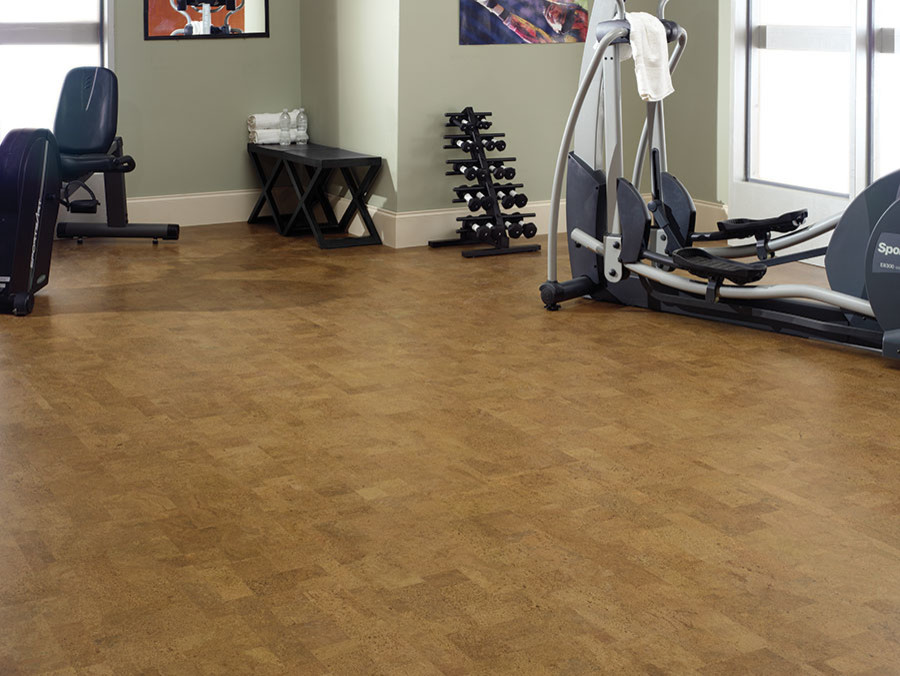
Cork offers superior comfort for extended floor exercises and barefoot activities. The natural cushioning feels more organic and less artificial than rubber. Joint protection is excellent, significantly reducing impact stress during jumping and running exercises. Unlike some rubber surfaces that can feel too soft and unstable, cork provides cushioning while maintaining the stability needed for weightlifting and balance exercises.
What’s the lifespan of cork gym flooring with regular heavy use?
After three years of daily use by multiple family members, my cork flooring shows minimal wear. Based on the current condition, I expect 10-15 years of service life with proper maintenance. The ability to replace individual tiles extends overall lifespan since damaged sections can be addressed without replacing the entire floor. Quality varies between manufacturers, so investing in thicker, denser cork pays off in longevity.
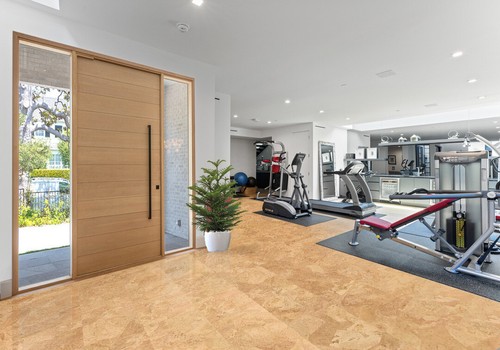
Can cork flooring handle the moisture and humidity typical in basement gyms?
Cork’s natural moisture resistance has been perfect for my basement gym environment. Unlike wood that can warp or rubber that can develop mold, cork maintains its integrity in higher humidity conditions. The antimicrobial properties prevent odor and hygiene issues common with other materials. I do maintain reasonable ventilation and avoid standing water, but normal gym moisture levels haven’t caused any problems with the flooring.
Is professional installation necessary or can cork gym flooring be a DIY project?
I successfully installed my cork gym flooring as a DIY project with no prior experience. The click-together tile system requires no special tools or adhesives. Proper subfloor preparation is crucial, but the actual installation is straightforward. Professional installation might be worth considering for larger spaces or complex layouts, but basic rectangular gym spaces are definitely manageable for most homeowners with basic tools and patience.

Gym flooring selection: an eco gym designer perspective
Cork Floor Home Gym Ideas
Cork Flooring: Pros, Cons and Alternatives

How to choose the best gym flooring for the home fitness?
Related Posts: