When I started planning my kitchen renovation last year, cork flooring wasn’t even on my radar. I was focused on the usual suspects, tile and hardwood, until a friend mentioned how much she loved her cork floors. After living with cork in my kitchen for eight months now, I can honestly say it was one of the best decisions I made during the entire renovation process. The comfort underfoot while cooking, the natural warmth, and the surprisingly easy maintenance have completely changed how I feel about spending time in my kitchen. Sure, there were some learning curves during installation and the first few weeks of living with it, but the benefits have far outweighed any initial concerns I had.
Choosing the Right Cork Type for Kitchen Demands
The variety of cork flooring options available completely overwhelmed me when I started shopping. I quickly learned that not all cork is suitable for kitchens, and the quality differences between budget and premium options are dramatic. I ended up choosing engineered cork planks with a multi-layer construction that includes a dense HDF core and a thick cork wear layer. This combination gives me the comfort and warmth of natural cork with much better moisture resistance than solid cork tiles.
The thickness of the cork wear layer became a crucial factor in my decision-making process. Cheaper options had thin cork veneers that I worried wouldn’t hold up to the daily abuse a kitchen floor endures. I chose planks with a 3mm cork layer, which cost more upfront but have proven incredibly durable. Eight months in, there’s no visible wear even in high-traffic areas around my sink and stove, and the natural resilience of cork means small dents from dropped utensils disappear within hours.
Finish options made a bigger difference than I expected in both appearance and performance. I compared natural cork with various stained options and ultimately chose a medium-toned natural finish that shows the beautiful grain patterns. The factory urethane coating has multiple layers and includes aluminum oxide for extra durability. Some manufacturers offered wax finishes that looked more natural, but in a kitchen environment, I needed the water resistance that only a proper urethane system could provide.
Installation Challenges and Solutions I Discovered
Installing cork flooring in my kitchen presented unique challenges I hadn’t anticipated. The biggest issue was moisture management during installation. Cork is incredibly sensitive to humidity changes, so I had to carefully control the environment during the entire process. I rented a dehumidifier and kept it running for three days before installation and throughout the project to maintain consistent 45% humidity levels. Even small fluctuations seemed to affect how the planks fit together.
The subfloor preparation required more attention than typical flooring installations. My existing vinyl had to be completely removed, and I discovered several spots where water damage had weakened the underlayment around my old dishwasher. Cork telegraphs imperfections more than other flooring types, so I spent extra time with floor leveling compound to create a perfectly smooth surface. This added a full day to my timeline but was essential for achieving professional results.
Cutting cork planks around kitchen obstacles like cabinet toe kicks and appliance spaces required different techniques than I’d used with other flooring materials. Cork tends to crumble if you use the wrong blade or cutting technique. I found that scoring with a sharp utility knife and snapping worked better for straight cuts than using a saw. For curved cuts around pipes and irregular shapes, a fine-tooth jigsaw blade at slow speed gave me the cleanest results without tearing the cork fibers.
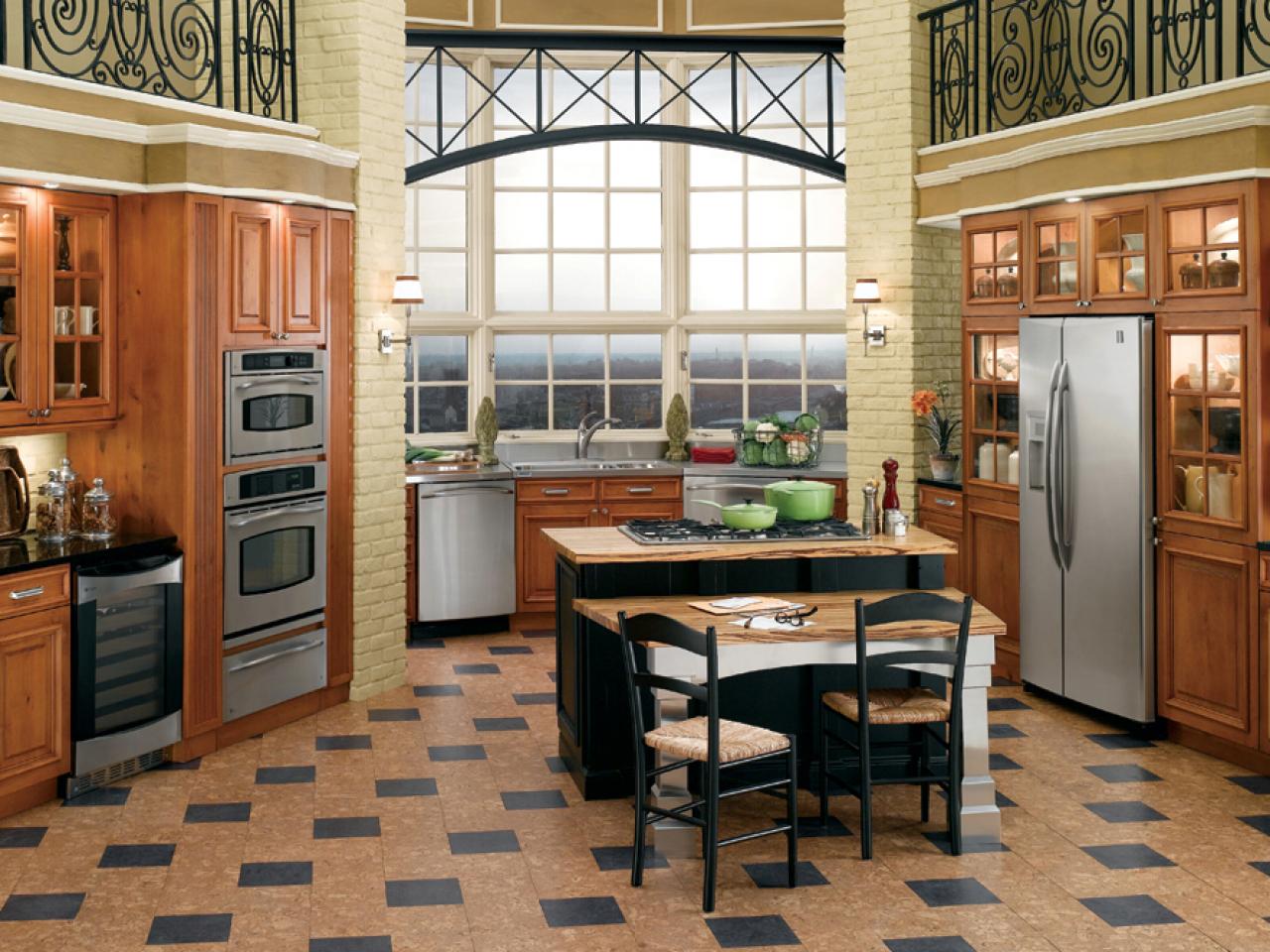
Daily Performance in a High-Traffic Kitchen Environment
Living with cork floors in my kitchen has been a revelation in terms of comfort and functionality. The natural cushioning effect is most noticeable during long cooking sessions, when I’m standing at the counter for hours preparing meals. My feet and back feel significantly less fatigued compared to the ceramic tile I had before. The difference is so pronounced that my husband, who was skeptical about cork initially, now admits it was a brilliant choice for our cooking-intensive lifestyle.
Spill cleanup has been surprisingly manageable despite my initial worries about cork and moisture. The urethane finish sheds liquids well, and even oil-based spills wipe up easily with appropriate cleaners. I’ve had several major spills, including a full pot of pasta water and various cooking oils, and none have penetrated the finish or caused staining. The key is addressing spills promptly, but that’s true for any kitchen flooring material. Daily sweeping takes care of crumbs and debris effectively.
Temperature regulation is another unexpected benefit that makes my kitchen more comfortable year-round. Cork provides natural insulation, so the floors feel warm in winter without being hot in summer. This has been particularly nice during bare-foot midnight snack runs, when tile floors would feel shockingly cold. The thermal properties also seem to help with energy efficiency, as my kitchen maintains temperature more consistently than it did with the old tile floors.
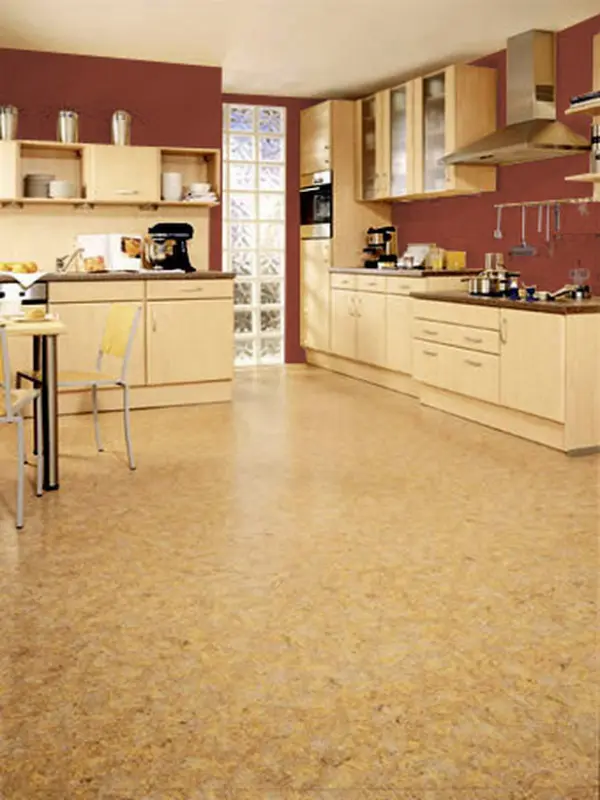
Maintenance Routines That Actually Work
Developing an effective cleaning routine for cork took some experimentation, but I’ve settled into a system that keeps my floors looking great with minimal effort. Daily maintenance consists of sweeping with a microfiber dust mop to remove cooking debris and prevent scratching from tracked-in dirt. I vacuum weekly with a soft brush attachment, being careful to avoid the beater bar that could damage the cork surface. This basic routine handles 90% of the maintenance requirements.
Deep cleaning happens about once a month using a pH-neutral cleaner specifically formulated for cork floors. I learned the hard way that general-purpose cleaners can dull the finish over time, so investing in proper cork cleaning products was essential. The cleaning process involves damp mopping with minimal water, ensuring the mop is well-wrung to prevent moisture from seeping into joints. I follow up with a dry microfiber mop to remove any residual moisture.
Protective maintenance has become part of my routine to extend the life of the floors. I use furniture pads under all chairs and table legs to prevent indentations and scratches. Area rugs in front of the sink and stove catch most spills and reduce wear in high-traffic zones. Every six months, I apply a cork floor restorer that fills minor scratches and refreshes the protective coating. This preventive approach has kept my floors looking nearly new through eight months of heavy kitchen use.
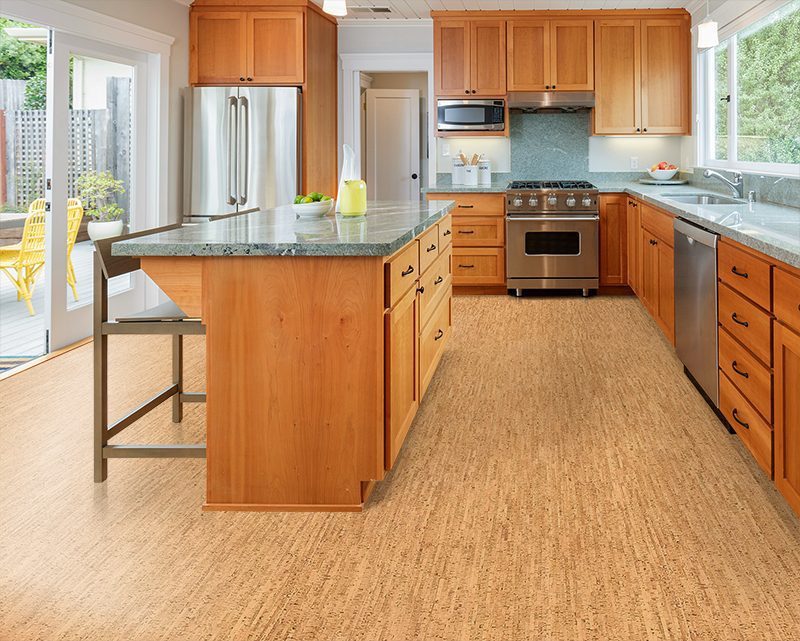
Cost Analysis and Value Considerations
The upfront cost of cork flooring fell somewhere in the middle of my kitchen flooring options, more expensive than vinyl or laminate but less than premium hardwood or natural stone. I paid about $7 per square foot for quality engineered cork planks, plus another $2 per square foot for professional installation. While this wasn’t the cheapest option, the comfort and health benefits have made it feel like an excellent value for money. The natural antimicrobial properties of cork have been particularly appealing during flu season.
Long-term value considerations factored heavily into my decision, especially the ability to refinish cork floors multiple times over their lifetime. Unlike laminate or vinyl, which need complete replacement when worn, my cork floors can be sanded and refinished just like hardwood. This refinishability, combined with cork’s natural durability, should give me decades of use from this investment. The environmental sustainability of cork harvesting also aligned with my values and added to the perceived value.
Hidden costs during my project included specialized cleaning products and tools that aren’t necessary with other flooring types. Cork-specific cleaners cost more than general floor cleaners, and I needed to invest in proper microfiber mops and pH testing strips to maintain the warranty. These ongoing costs are modest, maybe $50 per year, but should be factored into the total cost of ownership. The comfort and performance benefits have made these extra expenses feel worthwhile.

Long-Term Durability and Performance Observations
After eight months of daily kitchen use, my cork floors show minimal wear despite heavy traffic from cooking, entertaining, and general family life. The natural resilience of cork continues to impress me, with small dents from dropped pots and utensils bouncing back within hours. This self-healing property is something I have never experienced with tile or laminate floors, and it keeps the surface looking consistently smooth and uniform, even in high-impact areas around the stove and prep areas.
Seasonal changes have had less impact on my cork floors than I expected based on horror stories I’d read online. The engineered construction with its HDF core provides good dimensional stability, and I’ve only noticed minimal gapping during the driest winter months. Proper humidity control through my HVAC system has been key to maintaining stability. The floors expanded slightly during humid summer weather but returned to their original dimensions as conditions normalized.
Color and appearance have remained remarkably consistent despite exposure to kitchen heat, sunlight from windows, and daily cleaning chemicals. I was concerned about fading or discoloration, but the factory finish seems to provide excellent UV protection. If anything, the natural cork has developed a subtle patina that adds character and warmth to the space. Small scratches that initially concerned me have either self-healed or become virtually invisible in the natural grain pattern of the cork surface.
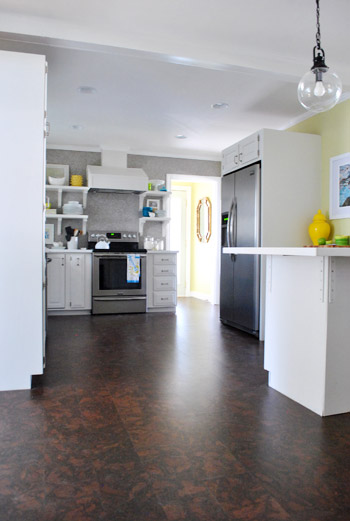
How does cork flooring handle water and cooking spills in daily kitchen use?
My cork floors handle spills much better than expected. The urethane finish sheds liquids well, and I’ve never had moisture penetration issues despite major spills, including pasta water and cooking oils. The key is wiping up spills promptly, just like any kitchen floor. Daily cooking moisture from steaming and washing hasn’t caused any problems over eight months of use.
Is cork flooring comfortable to stand on during long cooking sessions?
The comfort difference is dramatic compared to tile or hardwood. Cork’s natural cushioning reduces foot and back fatigue significantly during long food prep sessions. I can stand at my counter for hours without the leg pain I used to experience. The thermal properties also keep my feet comfortable year-round, never feeling cold like tile or hot from radiant heating systems.

What’s the realistic maintenance time commitment for kitchen cork floors?
Daily sweeping takes 3-5 minutes, and I damp mop weekly for about 10 minutes. Monthly deep cleaning adds another 20 minutes. The maintenance is actually easier than my previous tile floors since cork doesn’t show dirt as readily, and there are no grout lines to scrub. Using proper cork cleaners is important, but it doesn’t add significant time to the routine.
How does cork hold up to pets and dropped kitchen items?
A: My dog’s claws haven’t damaged the surface, and the natural antimicrobial properties help with pet hygiene. Dropped pots and utensils leave temporary dents that disappear within hours due to the cork’s resilience. Heavy cast iron pieces can leave permanent marks if dropped from counter height, but normal kitchen accidents haven’t caused lasting damage. Pet food and water bowls haven’t caused any issues.
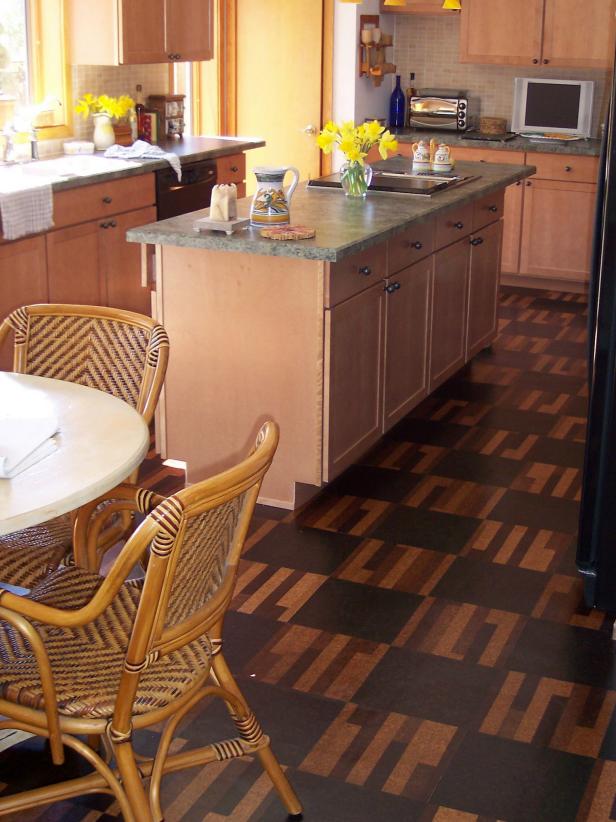
What are the biggest regrets or surprises after living with cork kitchen floors?
My only regret is not choosing cork sooner! The biggest surprise was how much the comfort factor improved my cooking experience. I expected durability concerns, but the floors have exceeded expectations. The natural warmth and sound-dampening were unexpected benefits. If anything, I wish I’d extended the cork into adjacent areas instead of stopping at the kitchen boundaries.
Is professional installation necessary, or can cork be a DIY kitchen project?
I hired professionals due to my kitchen’s complexity with appliances and irregular shapes, but simpler kitchens could be DIY projects. Cork is more forgiving than hardwood for minor mistakes. The main challenges are moisture control during installation and achieving proper expansion gaps around cabinets. If you’re handy and have flooring experience, it’s definitely possible to DIY and save the $2-3 per square foot installation cost.

Cork Floating Floor Installation In the Kitchen
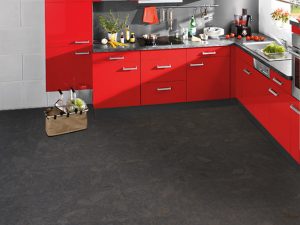
All About: Cork Flooring Kitchen
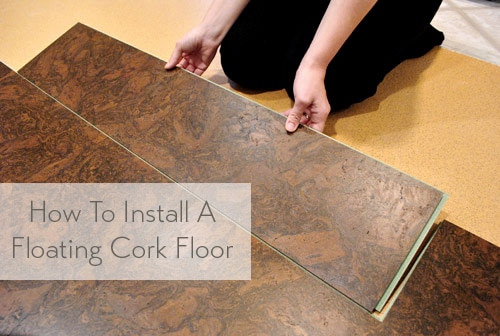
How To Install A Floating Cork Floor
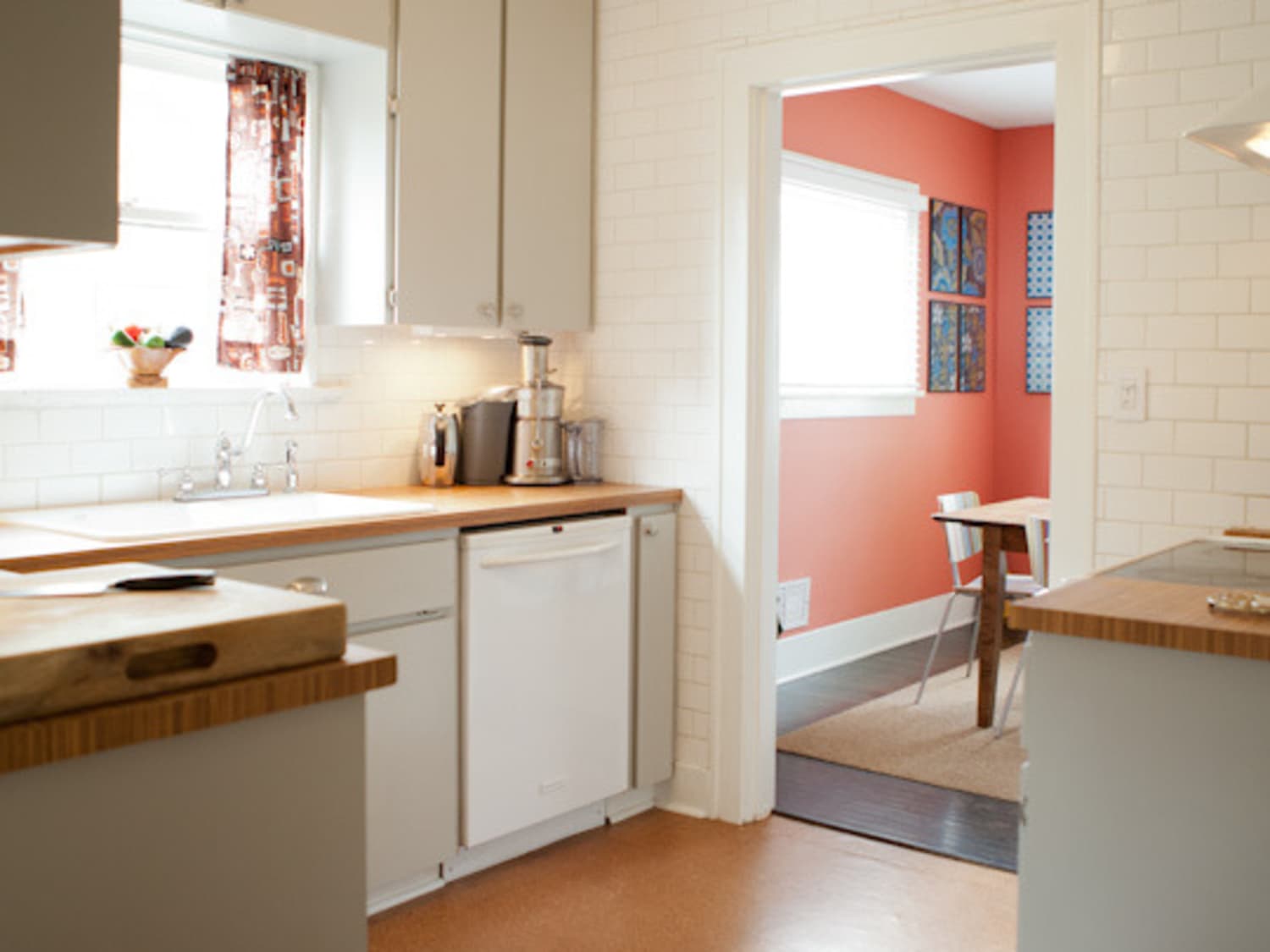
Kitchen Floors {How I Decided to Use Cork Tiles} – Pretty Handy Girl
Related Posts: