Cork flooring is an excellent choice for living rooms due to its comfort, sustainability, and aesthetic appeal. Made from the bark of cork oak trees, this material is renewable, biodegradable, and offers natural insulation. Its soft, cushioned surface makes it comfortable underfoot, while its unique texture adds warmth and character to any living space. Homeowners appreciate cork for its durability, noise-reducing properties, and resistance to mold and mildew. Whether you prefer a modern or rustic look, cork flooring can complement various interior styles while providing practical benefits.
Comfort and Softness Underfoot
Cork flooring is known for its exceptional comfort, making it ideal for living rooms where people spend a lot of time standing or walking. Unlike hardwood or tile, cork has a slight bounce that reduces strain on joints, making it a great option for families with children or elderly members. The natural cushioning effect also makes it more comfortable for activities like exercising or playing on the floor.
In addition to physical comfort, cork provides thermal insulation, keeping the living room warmer in winter and cooler in summer. This quality makes it energy-efficient, as it helps maintain a stable indoor temperature. Unlike cold tile or hard laminate, cork feels pleasant to walk on barefoot, enhancing the overall coziness of the space.
Another advantage is its noise-absorbing properties, which minimize echoes and footsteps, creating a quieter environment. This is especially beneficial in homes with open floor plans or multi-level living spaces. Whether hosting guests or relaxing with family, the softness of cork flooring contributes to a more peaceful and inviting atmosphere.
Eco-Friendly and Sustainable Choice
Cork flooring is one of the most sustainable flooring options available since it is harvested from the bark of cork oak trees without harming the tree itself. The bark regenerates over time, making it a renewable resource. This eco-friendly aspect appeals to homeowners who prioritize environmentally responsible home improvements.
The production process of cork flooring also has a low environmental impact compared to synthetic materials. It requires minimal energy and no toxic chemicals, reducing its carbon footprint. Additionally, cork is biodegradable, meaning it won’t contribute to landfill waste when it eventually needs replacement.
Choosing cork supports sustainable forestry practices, as cork oak forests are protected and maintained for long-term harvest. These forests also provide habitats for wildlife and help combat climate change by absorbing carbon dioxide. By installing cork flooring, homeowners can enjoy a beautiful living room while making a positive environmental impact.

Durability and Longevity
Despite its softness, cork flooring is surprisingly durable and can last for decades with proper care. Its natural elasticity allows it to resist dents and scratches better than hardwood, making it suitable for high-traffic areas like living rooms. A protective finish can further enhance its resistance to wear and tear.
Cork’s cellular structure makes it resilient to heavy furniture and foot traffic, though using furniture pads is still recommended to prevent indentation. Unlike some flooring types that show wear quickly, cork maintains its appearance over time. If minor damage occurs, it can often be repaired with a light sanding and refinishing.
To maximize longevity, cork flooring should be kept clean and dry, as excessive moisture can cause damage. Regular sweeping and occasional damp mopping are usually sufficient for maintenance. With these simple care practices, cork flooring can remain an attractive and functional part of the living room for many years.
Design Versatility and Aesthetic Appeal
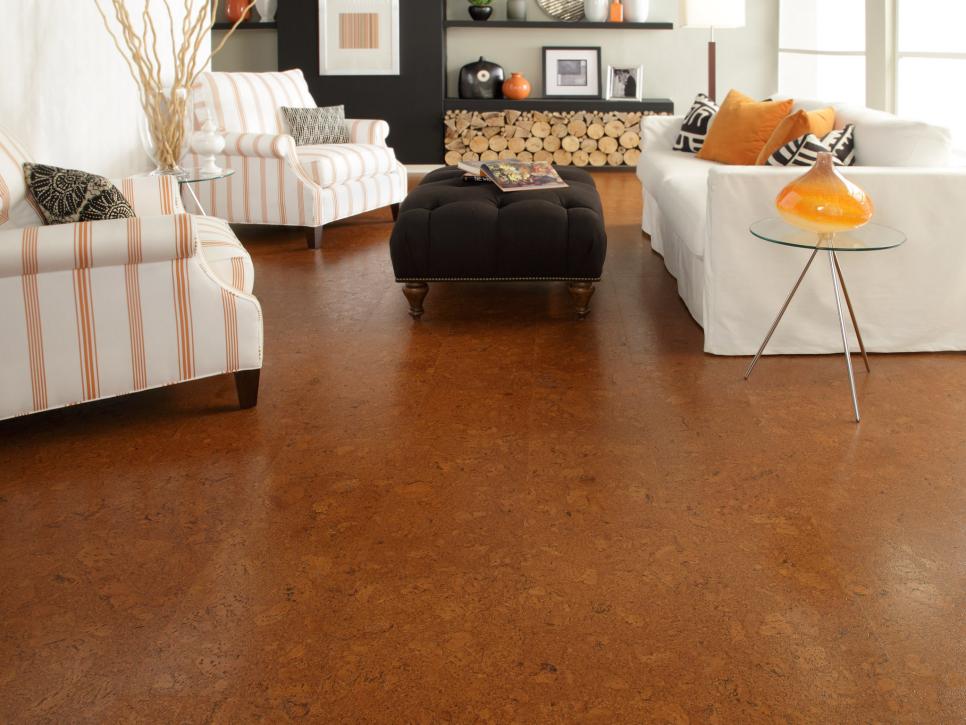
Cork flooring comes in a variety of colors, patterns, and finishes, allowing homeowners to match it with any living room décor. From natural earth tones to stained or painted options, cork can suit modern, rustic, or traditional styles. Its unique texture adds visual interest without overwhelming the space.
Some cork flooring features embossed designs that mimic wood grain or stone, offering the look of these materials with added comfort. Whether you prefer large tiles or planks, cork can be installed in different layouts to create a customized appearance. This flexibility makes it easy to achieve a cohesive design throughout the living room.
Additionally, cork’s warm and inviting appearance enhances the overall ambiance of the space. Unlike cold, sterile materials, cork brings a natural, organic feel that makes the living room more welcoming. Its ability to blend with various color schemes and furniture styles ensures a timeless look.
Easy Installation and Maintenance
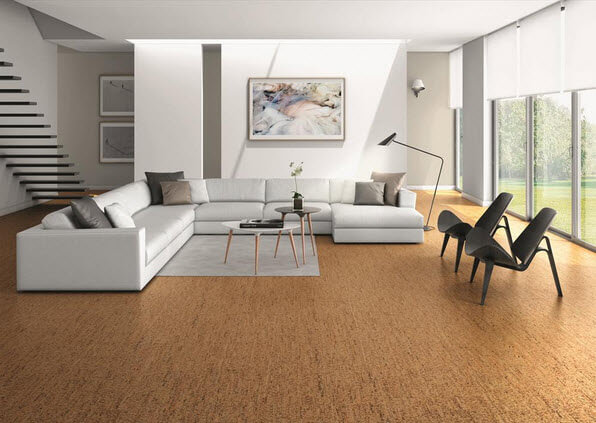
Cork flooring is available in glue-down, click-lock, and floating options, making installation accessible for DIY enthusiasts or professionals. Floating cork planks are particularly popular because they don’t require adhesives and can be installed over existing floors. This simplifies the renovation process and reduces labor costs.
Maintenance is straightforward, as cork naturally resists dust and allergens, making it a good choice for allergy sufferers. Regular sweeping and occasional mopping with a pH-neutral cleaner keep it looking fresh. Avoid excessive water or harsh chemicals, as these can damage the surface over time.
For added protection, applying a sealant every few years can help maintain the floor’s moisture resistance and luster. Unlike high-maintenance flooring options, cork doesn’t require waxing or polishing, saving time and effort. Its low upkeep makes it a practical choice for busy households.
Health and Safety Benefits
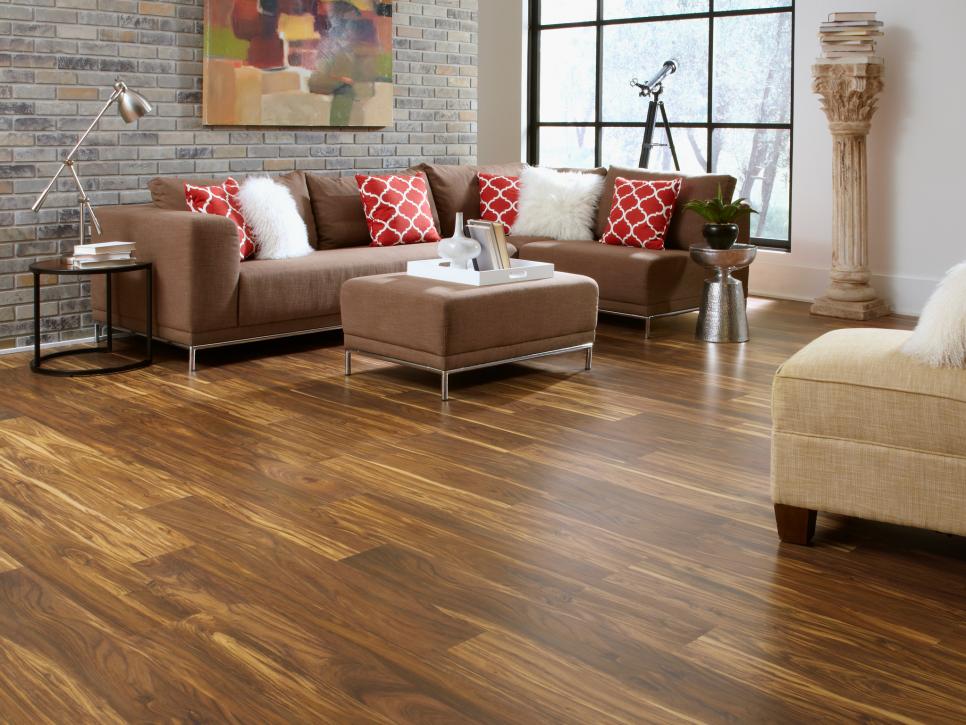
Cork flooring is hypoallergenic, resisting mold, mildew, and dust mites, which improves indoor air quality. This makes it an excellent option for families with allergies or respiratory concerns. Unlike carpets, cork doesn’t trap allergens, contributing to a healthier living environment.
Its natural slip-resistant surface provides added safety, reducing the risk of falls compared to smoother flooring materials. This is especially beneficial for households with young children or elderly individuals. The slight cushioning also minimizes impact in case of accidental slips or drops.
Additionally, cork is fire-resistant due to its natural composition, providing an extra layer of safety in the home. It doesn’t emit harmful chemicals or volatile organic compounds (VOCs), ensuring better air quality. These health and safety benefits make cork a smart choice for any living room.
Cork flooring offers a perfect blend of comfort, sustainability, durability, and style for living rooms. Its softness underfoot, eco-friendly properties, and easy maintenance make it a practical and attractive option. Whether you prioritize aesthetics, functionality, or environmental impact, cork flooring delivers on all fronts, making it a worthwhile investment for any home.
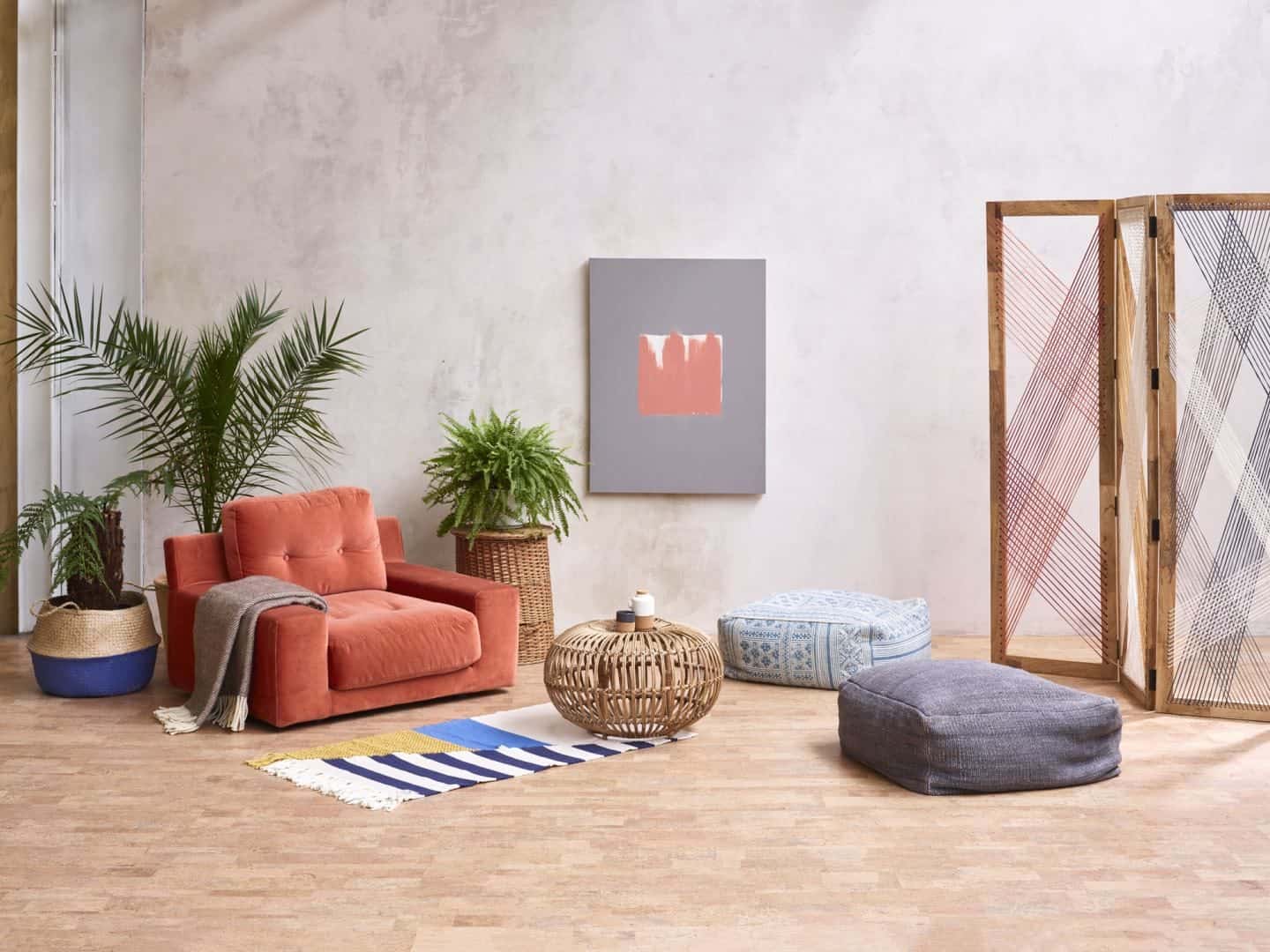
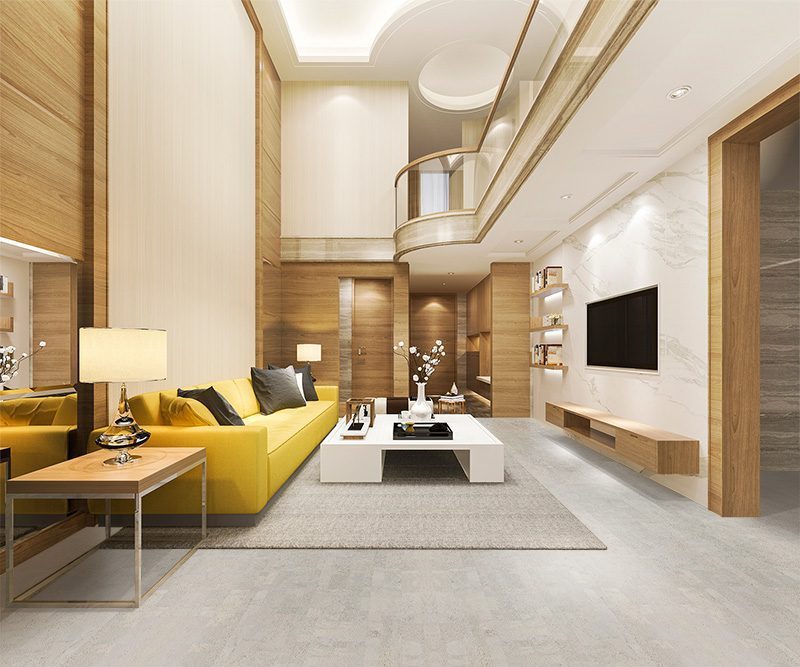
Gray Leather – 1/2 Inch (12mm) – Cork Floating Flooring
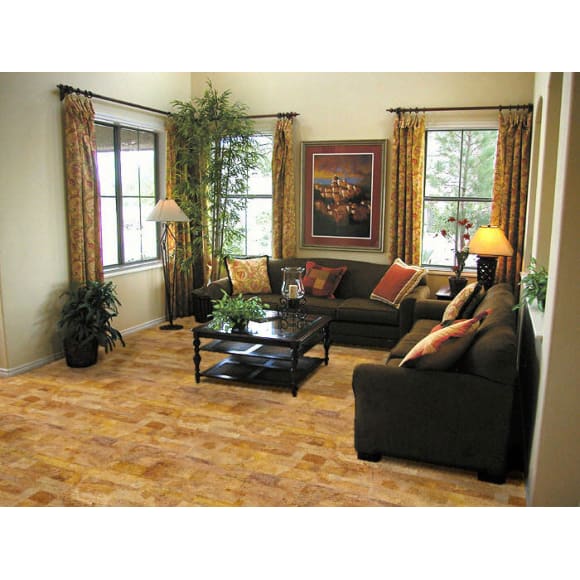
Nova Cork Tiles – Eco-Friendly, Durable, Non-Toxic, Glue-Down
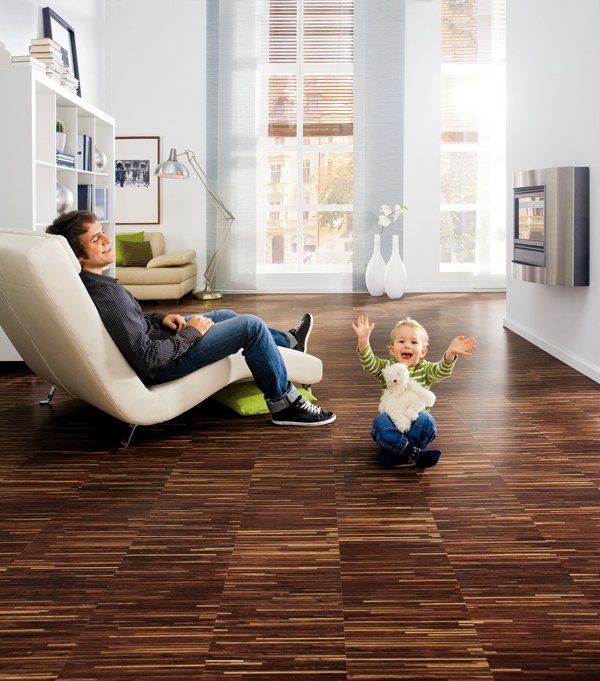
Cork floor – a practical alternative to wood floors
Wicanders Cork GO in Moment – Budget Friendly Floating Cork Floor
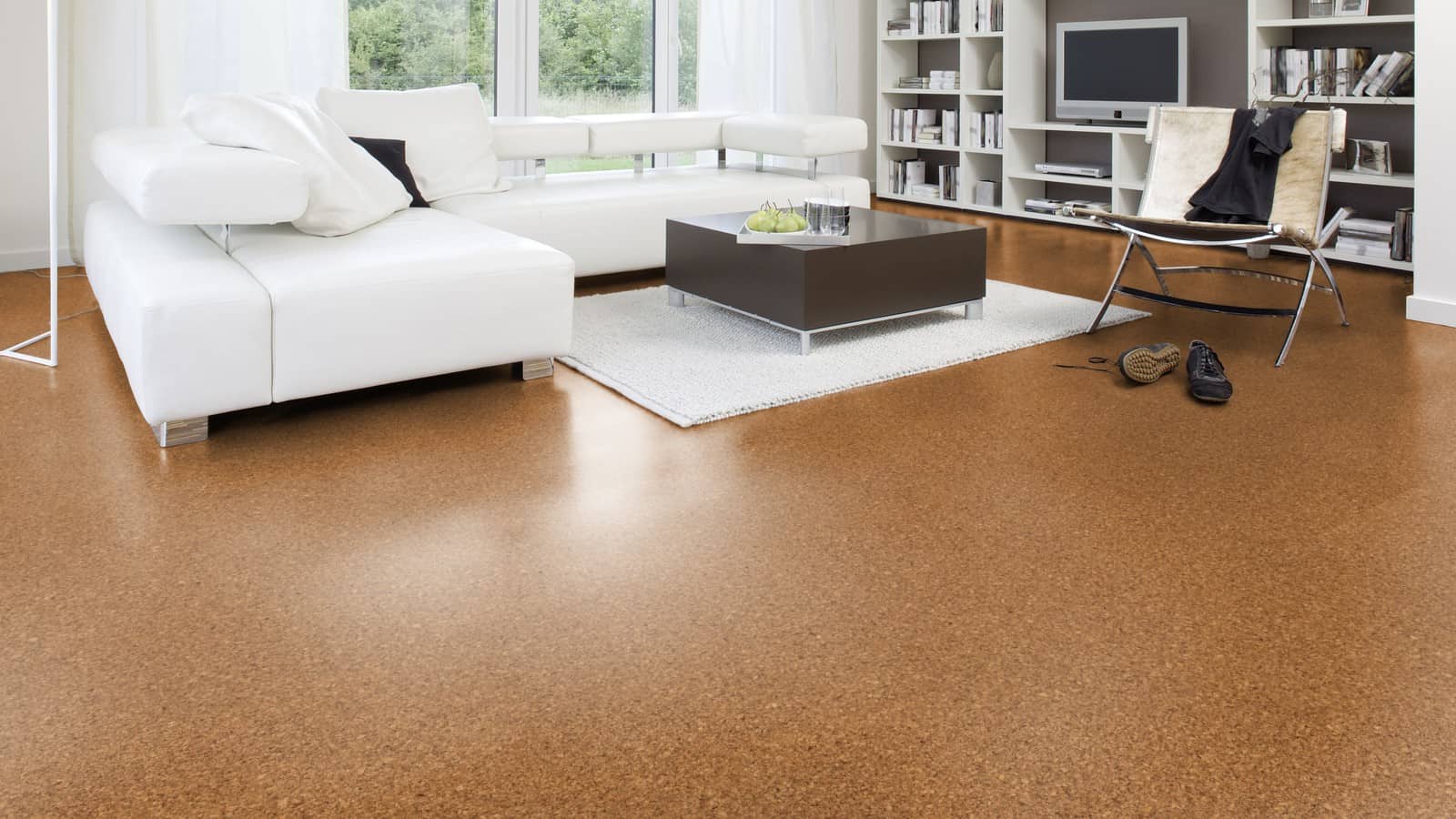
Logan – 1/4 Inch (6mm) – Cork Tile Glue Down (Floor and Wall)
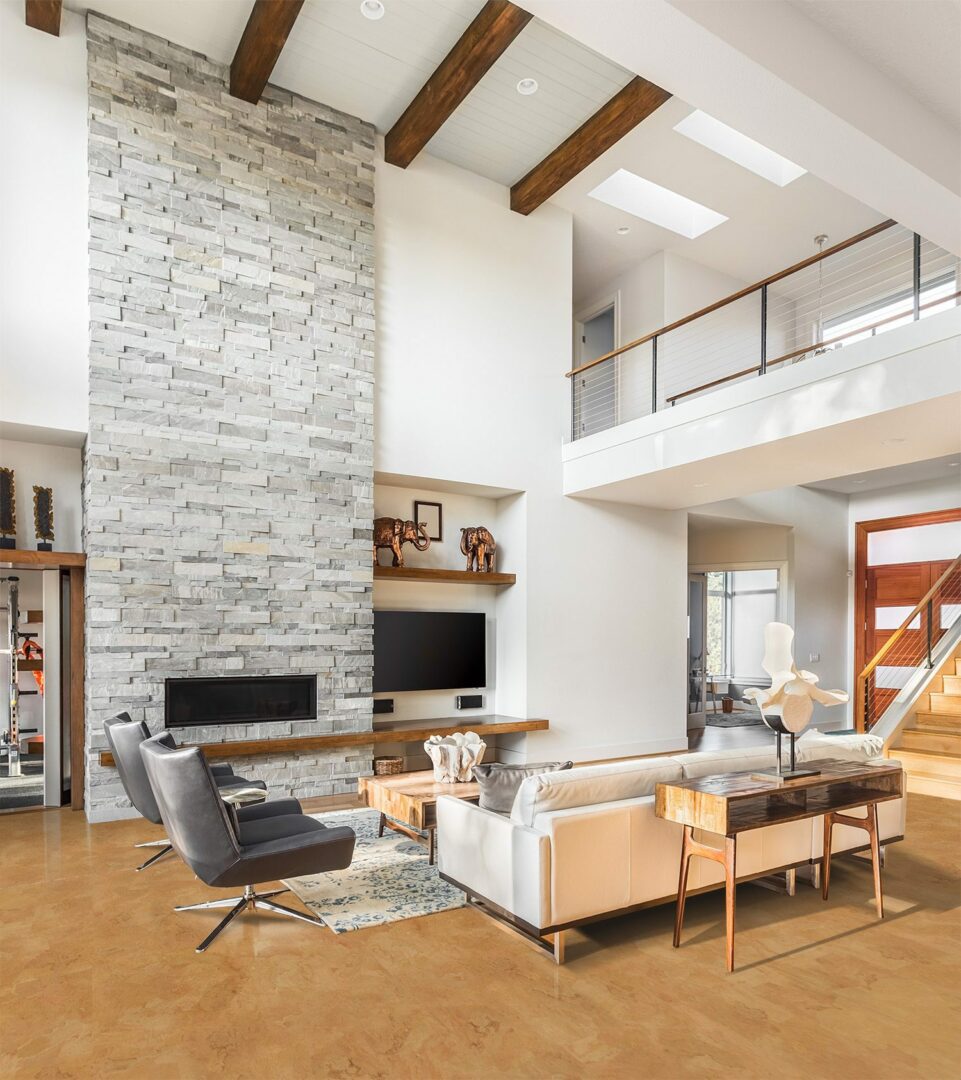
Lovely Cork Flooring Ideas With Pros And Cons – Shelterness

Related Posts: