Cork flooring has piqued my interest ever since I placed it in my first apartment. The natural warmth, comfort underfoot, and surprising endurance made me a lifetime fan. Many homeowners are unaware that cork flooring may be really economical if you know where to look and how to install it. Today, I’ll discuss my personal experience with cork flooring and offer practical suggestions on how to discover affordable solutions without losing quality.
The Hidden Advantages of Cork Flooring
Cork flooring is made from the bark of cork oak trees, which regenerates every nine years without damaging the tree. As someone concerned about my environmental impact, I’ve found the renewable aspect very appealing. Unlike other flooring solutions that necessitate complete tree harvesting, cork manufacture is sustainable and actually helps to lower carbon dioxide levels because the trees continue to absorb CO2 over their 200-year lifespan. This sustainability feature does not necessarily increase expenses, making cork an environmentally friendly option that will not break the bank.
Cork’s natural insulating characteristics have helped me save money on my energy expenses over time. Cork has millions of air-filled chambers that provide thermal insulation, keeping rooms warm in the winter and cool in the summer. I’ve noticed a change, particularly in my basement office, where I used to need extra heating throughout the cold months. Furthermore, cork’s cellular structures make it inherently resistant to mold, mildew, and pests, lowering long-term care expenses and promoting a better living environment.
Cork’s natural cushioning effect has proved beneficial to my joints during lengthy cooking periods in the kitchen. This softness absorbs impact and helps to prevent tiredness when standing for long periods of time. I’ve also noticed how cork reduces sound transmission between floors, which my downstairs neighbors undoubtedly appreciated when my children were smaller. These comfort benefits are often priced higher in other flooring materials, but with cork, they are included even with lower-cost alternatives, providing good value for your investment.
Finding Affordable Cork Flooring Alternatives
I realized that cork flooring comes in a variety of styles, each with a distinct pricing range. The floating click-lock cork planks I discovered at local discount flooring stores cost between 30 and 50 percent less than regular glue-down cork tiles. These floating systems often have a cork veneer over a high-density fiberboard core, with an additional cork layer beneath for insulation. While purists may prefer solid cork tiles, I’ve found that these engineered choices perform admirably in my home while saving a large amount of money on materials up front.
Overstock sales and bargain flooring warehouses were where I found the best deals. I once bought enough high-quality cork flooring for my complete living room at 60% off the original price because it was from a discontinued brand. Online marketplaces also provide factory-direct possibilities, eliminating merchant markups. I frequently visit specialty flooring websites that have clearance areas, where previous year’s designs or slightly defective lots are sold at significant discounts. Natural cork’s visual variances imply that even if you buy from different batches, they typically mix together well.
Timing your purchase can lead to significant savings. I’ve discovered that many flooring merchants provide their largest discounts during sluggish seasons, which are often late winter or midsummer. Floor model sales at the conclusion of each design season have provided me with professional-grade cork flooring at amateur costs. Some manufacturers also provide factory seconds with minor appearance flaws at a lower cost. By calculating accurate square footage requirements and adding only 5-7% waste rather of the customary 10%, I was able to further cut my material prices without running out during installation.

DIY Installation for Maximum Savings
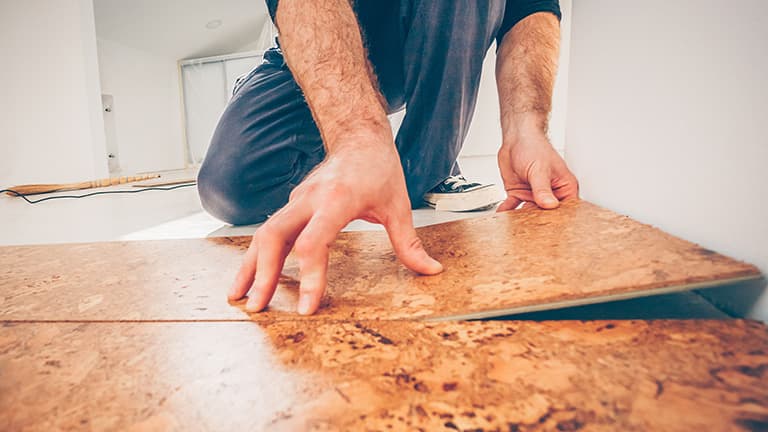
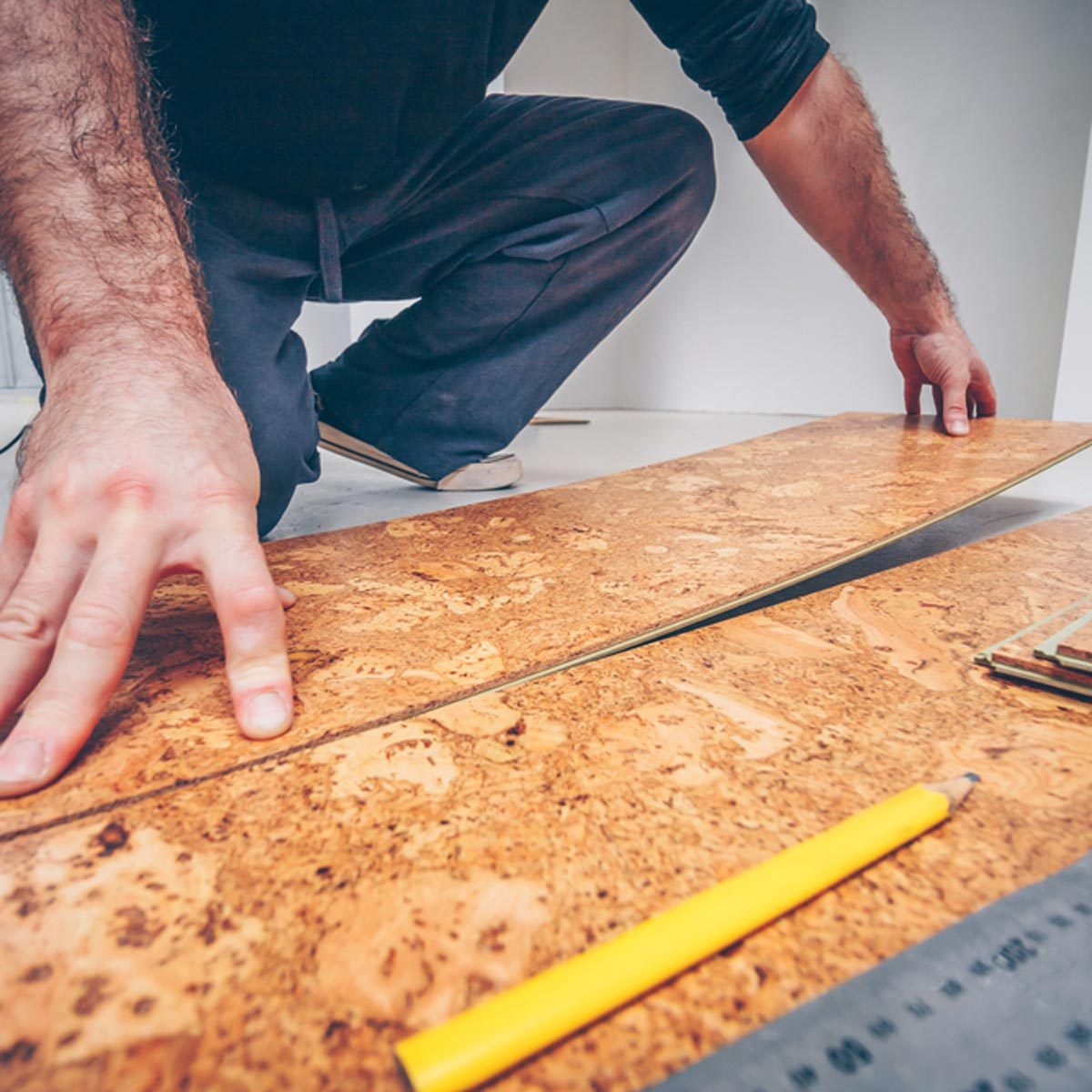
I’ve saved thousands of dollars by installing cork flooring myself over the years. My initial installation sounded intimidating until I realized that floating cork flooring had a simple click-lock mechanism that requires only a measuring tape, utility knife, and rubber mallet. The tongue-and-groove edges snap together quickly, resulting in a tight seal that does not require adhesives. I discovered that with careful measuring and basic woodworking abilities, I could construct my 200-square-foot living room in a single weekend, saving money on installation that would have cost more than the supplies itself.
Proper subfloor preparation is another area where DIY efforts might save money. Professional installers frequently charge additionally for underfloor preparation, but I learnt to perform these tasks myself. After watching online tutorials, removing old flooring, ensuring the subfloor is level within 3/16″ per 10 feet, and installing the necessary underlayment became simple tasks. For my bathroom installation, I waterproofed the subfloor using an inexpensive membrane system instead of hiring a specialist, lowering total project costs by nearly 40%.
In contrast to hardwood, which necessitates the use of specialized saws, cork flooring can be easily cut with a sharp utility knife and a straight edge. To ensure precise cuts and minimize waste, I made paper templates first for irregular shapes around doorways or vents. By carefully following manufacturer instructions regarding expansion gaps and transition pieces, my DIY installations have remained problem-free for years.
How to Maintain Cork Floors on a Budget
Using a microfiber dust mop to clean the cork floor on a daily basis prevents scratches and extends the finish’s lifespan. Instead of using expensive specialty cleaners, I make my own cleaning solution by combining one cup of white vinegar with a gallon of warm water. This gentle mixture removes dirt without harming the finish or leaving residue.
In my entry hall, a simple shoe removal policy has significantly reduced wear patterns and eliminated the need for premature refinishing. To protect my cork floors from damage, I placed inexpensive felt pads under furniture legs to prevent denting, and I use machine-washable cotton rugs in high-traffic areas instead of expensive specialty mats.
Unlike hardwood floors, which need to be completely sanded, most cork floors only need to be resealed every 5-10 years, depending on traffic. I learned to apply water-based polyurethane myself after watching online demonstrations, and I spent less than $100 on materials rather than the $800 quote I received from professionals. With proper maintenance and occasional DIY refinishing, my cork floors

Smart Shopping Strategies for Quality Cork
Checking wear layer thickness specifications also aids in identifying high-quality cork without paying a premium price. I gently press my thumbnail into sample pieces to test resistance, looking for minimal indentation. While higher density cork tends to last longer, it may cost slightly more at first.
Understanding cork grading systems revealed that visual variations do not necessarily indicate quality differences. Cork labeled as “rustic” or “natural” often costs less due to color variations or visual knots, though structural integrity remains identical to higher-priced “premium” grades. This knowledge allowed me to purchase rustic grade cork for my home office at significant savings without compromising durability. By focusing on technical specifications rather
To avoid costly mistakes, I bring home sample pieces and subject them to realistic household conditions, such as spilling coffee and wine, dropping keys, and dragging chair legs across them. This practical evaluation reveals performance characteristics that specifications alone cannot capture.

Creative Uses for Leftover Cork Materials
After installing my kitchen, I repurposed leftover cork planks as wall coverings in my home office, creating an acoustic buffer that improved sound quality during video calls. For another project, I cut leftover cork into six-inch squares to create coasters and trivets, providing cons.
In my garage workshop, I built a custom tool organizing board out of cork scraps, which securely holds frequently used items without damaging their edges, and even the smallest pieces, after being sealed with outdoor polyurethane, serve as garden markers. I attached small pieces to the bottoms of vases and decorative objects to prevent scratches on furniture surfaces.
Friends have appreciated custom cork bulletin boards made from larger leftover pieces, finished with decorative fabric borders. For housewarming gifts, I craft cork-backed ceramic tile trivets that cost mere dollars to produce but provide unique, personalized gifts. These creative applications transform potential waste into valuable items.
How long does budget cork flooring last?
The quality of the protective finish, the thickness of the wear layer, and the maintenance routine are all important factors in determining the longevity of cork flooring in residential settings. With proper care, even low-cost cork flooring can last 15-25 years. I installed low-cost cork in my first home’s kitchen twelve years ago, and it still looks great despite daily use. I’ve discovered that applying an additional coat of water-based polyurethane after installation significantly extends the life.
Does cheap cork flooring fade in sunlight?
Yes, cork flooring can fade in direct sunlight, regardless of price point. I experienced this in my sunroom, where areas exposed to the afternoon sun lightened noticeably after three years. However, I discovered that this natural fading affects all cork products equally, with expensive options fading at the same rate as budget alternatives. To minimize this issue without spending more on premium products, I now use inexpensive UV-filtering window films and rotate area rugs.
How do cheap cork floors respond to water exposure?
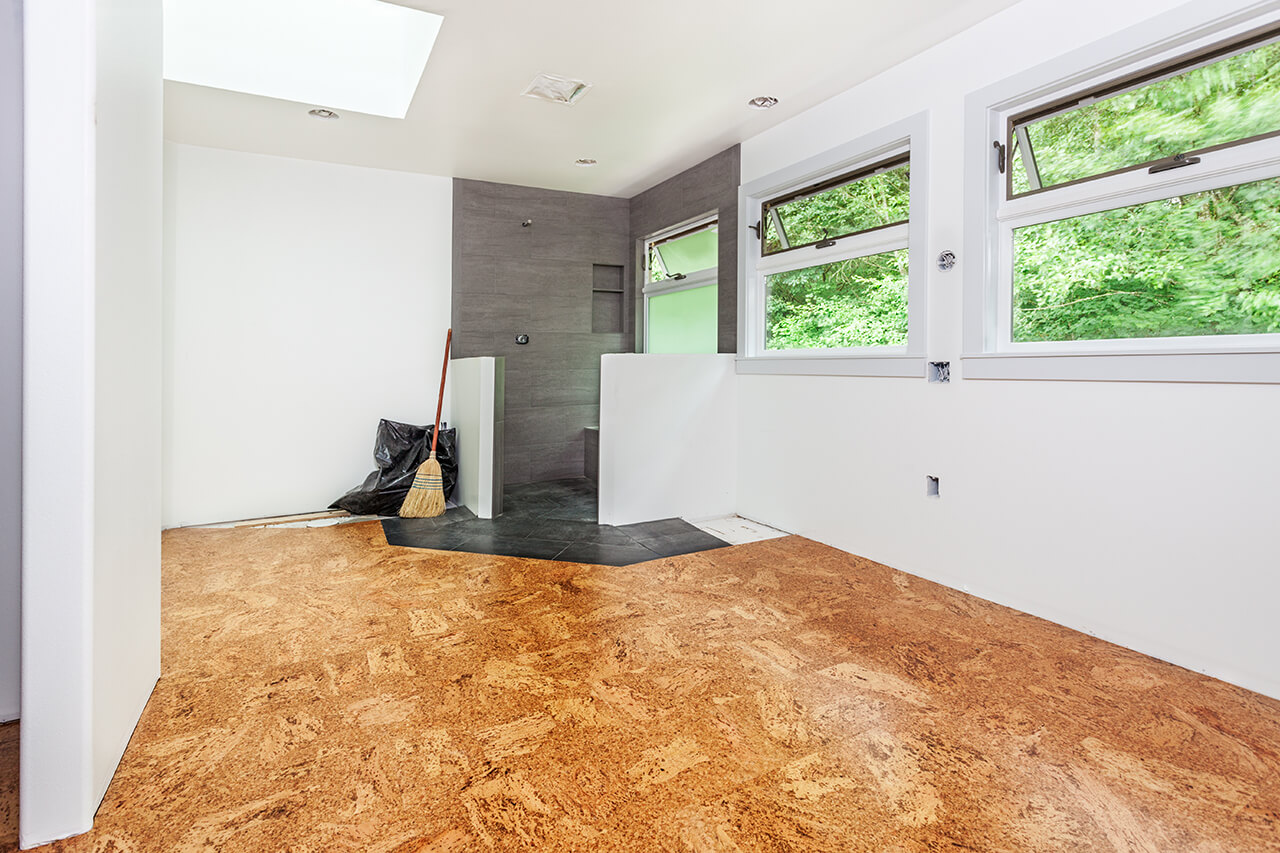
In my bathroom installation, I chose floating cork with factory-applied waterproof sealing on all sides, including the edges, and it has performed admirably despite humid conditions. I also applied extra sealer to the seams during installation to provide extra protection without spending a lot of money. Standing water is still the enemy of any cork floor, regardless of price.
Can I put cork flooring over existing floors to save money?
In my kitchen renovation, I saved around $450 in labor and disposal fees by installing floating cork planks directly over existing vinyl flooring. This method eliminates removal costs and significantly reduces preparation time. I thoroughly cleaned the old flooring and repaired any minor damage.
What are the hidden costs to consider when purchasing inexpensive cork flooring?
When purchasing budget cork flooring, I’ve discovered several potential hidden costs. Underlayment requirements vary between manufacturers, sometimes adding $0.50-$1.00 per square foot that isn’t included in advertised prices. Some discount products require specialized adhesives or sealers, which increase overall project costs. I once bought deeply discounted cork only to discover it required a specific underlayment system sold separately at premium prices.
How comfortable is affordable cork compared to premium options?
I’ve walked on cork floors at different price points and can confidently say that budget cork provides nearly identical comfort benefits to premium alternatives. The fundamental cellular structure that gives cork its cushioning properties exists regardless of price tier. My own comparison testing between a $3.99/sq.ft cork plank and a $7.50/sq.ft option revealed negligible differences in underfoot comfort. Where premium products sometimes excel is the thickness of the cork layer.
Inexpensive Flooring Options: Cheap Flooring Ideas Instead of
Related Posts: