When I decided to renovate my master bathroom last year, I knew I wanted something unique that would stand out from the typical tile or vinyl options. After months of research and deliberation, I chose white cork flooring, and I’m here to share my honest experience with this unconventional choice. The decision wasn’t made lightly. I spent countless hours researching moisture resistance, maintenance requirements, and long-term durability. What I discovered was a flooring option that combines natural beauty with surprising practicality, though it certainly comes with its own set of considerations that every homeowner should understand before taking the plunge.
Why I Fell in Love with White Cork’s Natural Beauty
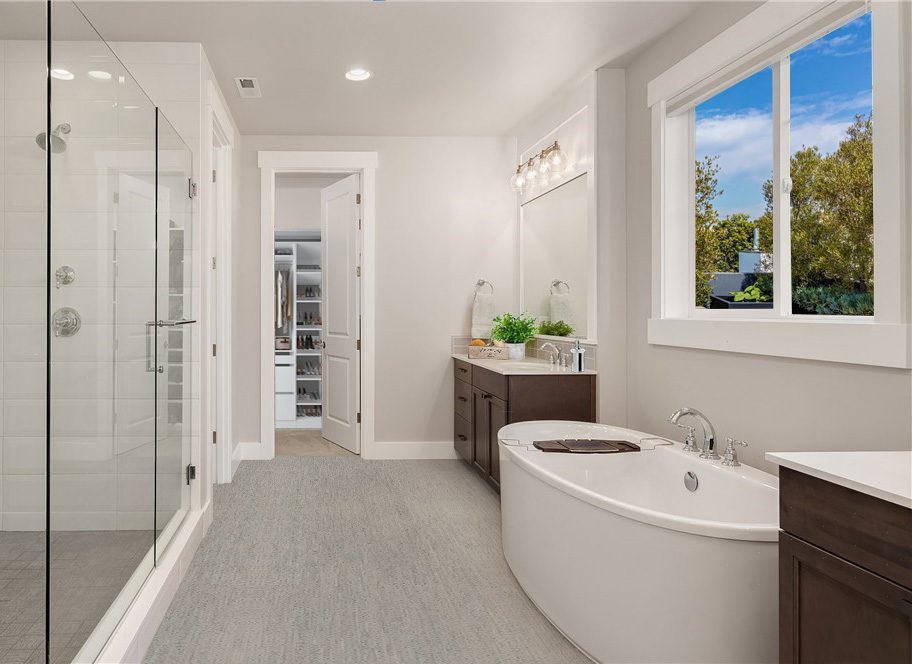
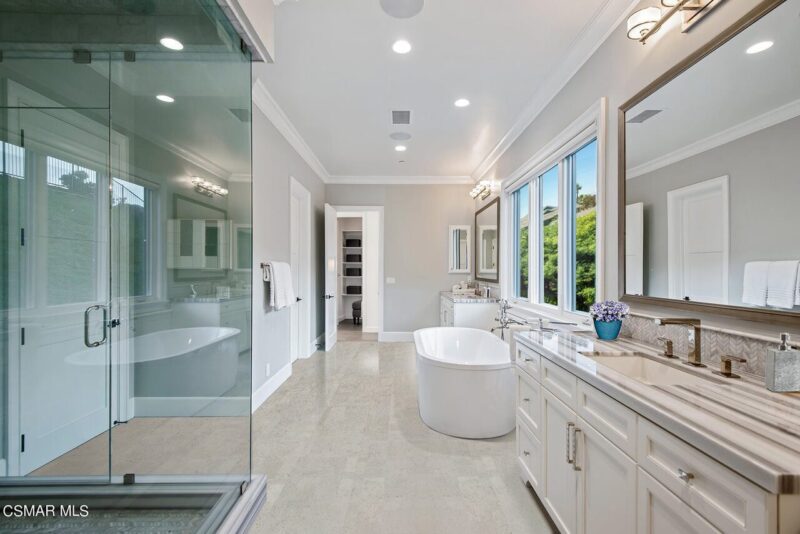
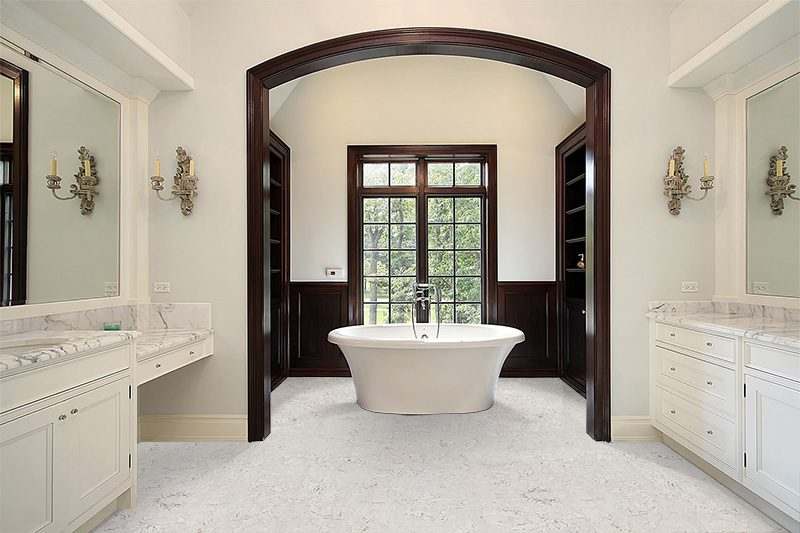
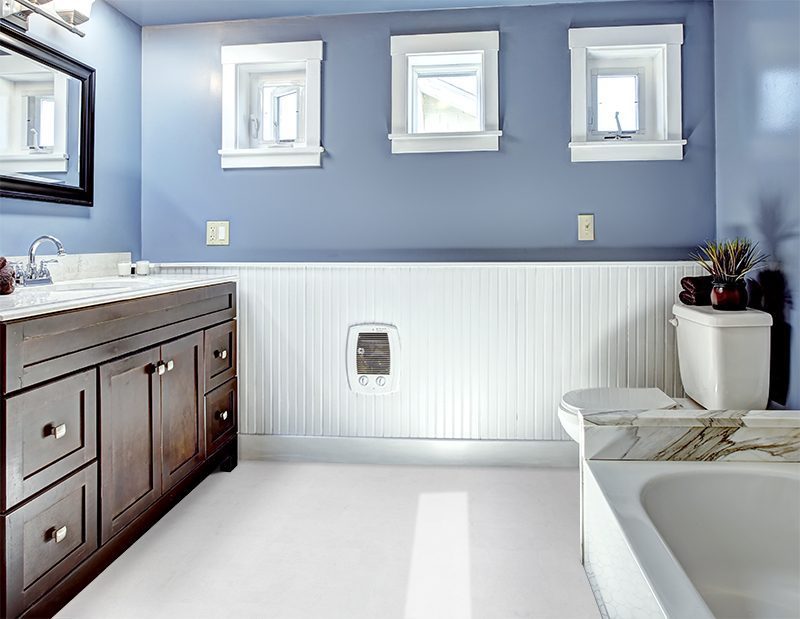
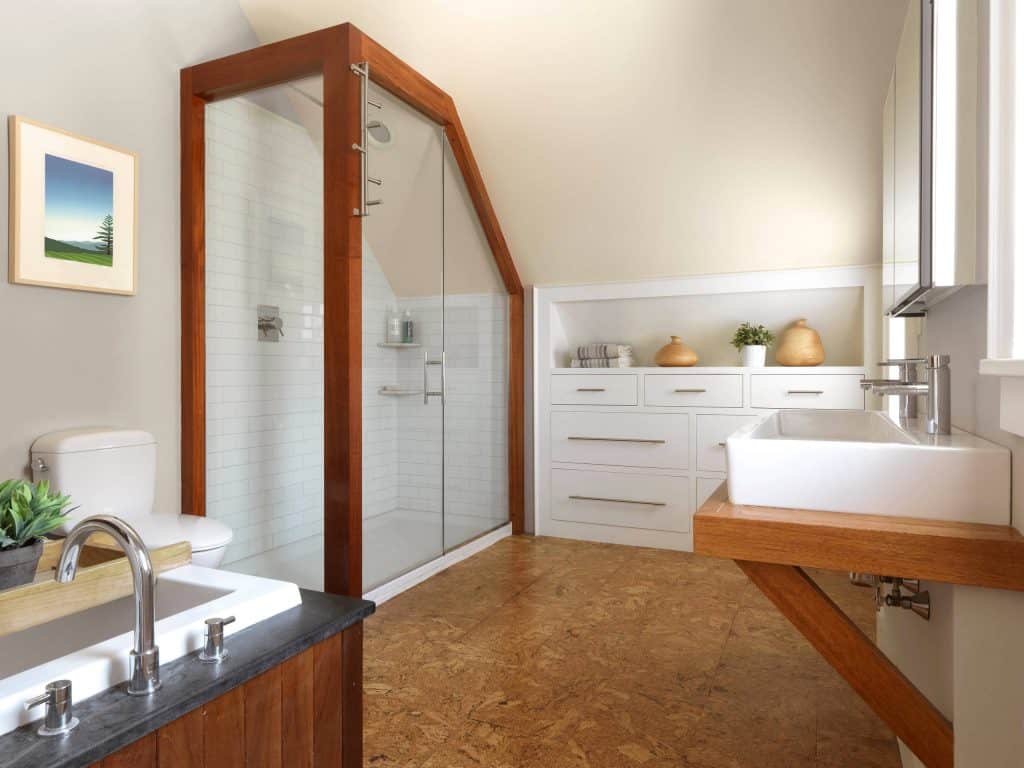
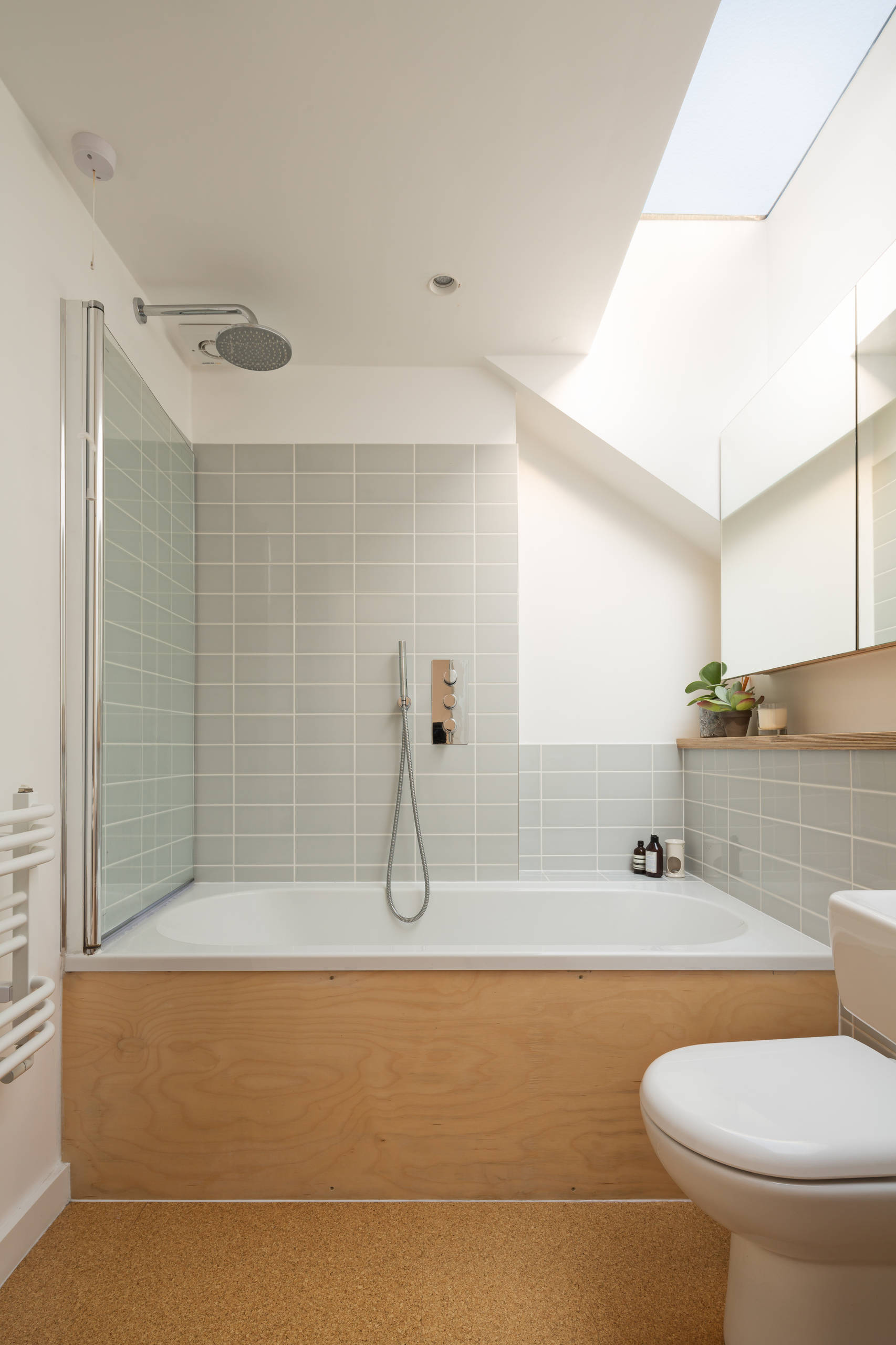
The moment I saw white cork flooring samples, I was captivated by their organic texture and soft, almost cloud-like appearance. Unlike the stark coldness of traditional bathroom tiles, cork has this inherent warmth that makes your feet feel comfortable even on chilly mornings. The natural grain patterns create subtle visual interest without being overwhelming, and the light color helps my small bathroom feel more spacious and airy than it ever did before.
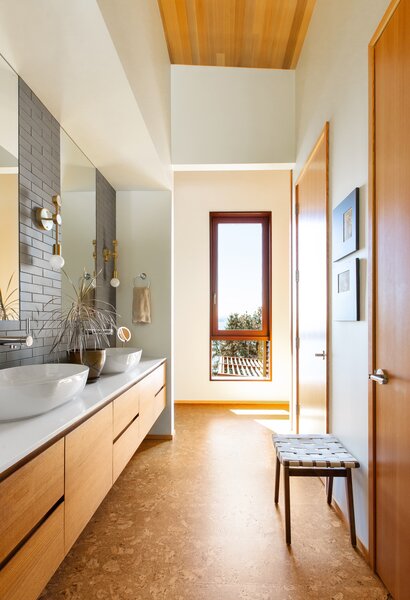
What really sold me was how the white cork complemented both my modern fixtures and the vintage elements I wanted to preserve. The material has this incredible ability to bridge different design styles, working beautifully with my brass faucets while also enhancing the clean lines of my floating vanity. I’ve found that it photographs beautifully too, which might seem trivial, but when you’re proud of your renovation, you want it to look as good in pictures as it does in person.
The sustainability aspect was another huge draw for me. Cork is harvested from the bark of cork oak trees without harming them, making it one of the most environmentally friendly flooring options available. Knowing that my beautiful bathroom floor was also an eco-conscious choice gave me additional satisfaction with my decision, especially since I’m trying to make more sustainable choices in my home improvements.
Understanding Cork’s Moisture Performance in Wet Environments
Before installation, I was naturally concerned about how cork would handle the humidity and occasional water splashes that are inevitable in any bathroom. Through my research, I learned that modern cork flooring is quite different from the cork boards we remember from school. Today’s cork tiles come with protective finishes and sealants that make them surprisingly water-resistant when properly installed and maintained.
I made sure to choose cork tiles specifically rated for bathroom use, which typically have multiple layers of protective coating. During installation, my contractor paid special attention to sealing all edges and ensuring proper subfloor preparation. We also installed a high-quality exhaust fan to manage humidity levels, which is crucial for any natural flooring material in a bathroom environment.
After eight months of daily use, I can honestly say the moisture performance has exceeded my expectations. I’ve had no issues with warping, cupping, or discoloration, even in the areas closest to my shower. However, I am diligent about wiping up any standing water immediately and ensuring good ventilation during and after showers. The key is understanding that while cork can handle bathroom conditions well, it still requires more attention than completely waterproof options.
Installation Challenges and Solutions I Encountered
Installing cork flooring in my bathroom presented some unique challenges that I hadn’t anticipated. The irregular shape of my bathroom, with its alcoves and angles around the toilet and vanity, required careful planning and precise cutting. I decided to hire professionals for this project, and I’m glad I did because the installation required specialized tools and expertise that would have been difficult for me to handle as a DIY project.
One significant consideration was the subfloor preparation. Cork requires a perfectly level, clean, and dry surface to perform well long-term. My contractor had to do some additional work to ensure the subfloor met these requirements, which added to the overall cost but was necessary. We also had to be extra careful about the adhesive selection, choosing one specifically formulated for bathroom environments and compatible with cork.
The installation process took longer than I initially expected, partly because each tile needed to be carefully positioned and partly because we had to work around the existing plumbing fixtures. The cutting around the toilet base and vanity required patience and skill. Looking back, I would definitely budget extra time and money for professional installation, as the precision required really makes a difference in the final result and long-term performance.
Daily Maintenance Reality: What I Wish I’d Known
Living with white cork flooring has taught me that maintenance is more involved than I initially anticipated, but it’s become part of my routine. Daily sweeping or vacuuming is essential because cork’s textured surface can trap dust and debris more easily than smooth flooring options. I use a soft-bristled broom or a vacuum with a hard floor setting to avoid damaging the surface.
Weekly mopping requires a gentle approach with pH-neutral cleaners specifically designed for cork. I avoid harsh chemicals, bleach, or anything too acidic, as these can damage the protective finish over time. I’ve learned to clean spills immediately, especially anything that might stain, like hair dye or nail polish. The light color shows everything, which can be both a blessing and a curse depending on your perspective.
The biggest maintenance surprise was the need for periodic resealing. Depending on the traffic and moisture exposure, cork flooring typically needs to be resealed every few years to maintain its water resistance and appearance. I’m planning to have this done professionally to ensure it’s done correctly, though some homeowners choose to tackle this as a DIY project. It’s an additional cost and time commitment that I factor into my home maintenance budget.
Cost Analysis: Investment vs. Long-Term Value
When I started pricing out my cork flooring project, I quickly realized it falls into the mid-to-high range of bathroom flooring options. Quality cork tiles suitable for bathroom use typically cost between $3 to $8 per square foot, not including installation. When I factored in professional installation, subfloor preparation, and the specialized adhesives and sealants required, my total project cost was comparable to higher-end luxury vinyl or mid-range ceramic tile.
However, I’ve found that the investment feels worthwhile when I consider the unique aesthetic appeal and the positive environmental impact. Cork’s natural insulation properties have also made my bathroom more comfortable, and I’ve noticed that the floor stays warmer underfoot than tile would. The durability, when properly maintained, should provide decades of service, making the cost per year of use quite reasonable.
What I didn’t initially budget for were the ongoing maintenance costs, including specialized cleaners and periodic resealing. While these aren’t huge expenses individually, they do add up over time. I’d recommend budgeting an extra $100-200 annually for proper cork floor maintenance, which includes quality cleaners, potential professional deep cleaning, and setting aside funds for eventual resealing.
Long-Term Durability and Performance Insights
After living with my white cork bathroom floor for several months, I can share some honest insights about its long-term performance. The material has held up well to daily foot traffic, and I haven’t noticed any significant wear patterns yet. Cork has natural antimicrobial properties, which I appreciate in a bathroom environment, and it’s proven to be comfortable underfoot even during those middle-of-the-night bathroom visits.
One concern I had was whether the white color would show wear or discoloration over time. So far, I’ve been pleasantly surprised by how well it’s maintaining its appearance. However, I am careful about the types of bath mats and rugs I use, avoiding anything with a rubber backing that might cause discoloration. I’ve also learned to be more mindful about tracking dirt from other parts of the house.
The biggest test will be how well it performs over the next five to ten years. Cork can last decades when properly maintained, but bathroom environments are particularly challenging for any flooring material. I’m committed to staying on top of the maintenance requirements because I truly love the look and feel of the floor. Based on my experience so far, I would choose cork again, but only with a full understanding of the care commitment involved.
How does white cork flooring handle moisture compared to traditional bathroom flooring options?
In my experience, properly sealed cork handles bathroom moisture surprisingly well, but it requires more attention than tile or vinyl. I wipe up water immediately and ensure good ventilation. With proper care, I’ve had no moisture-related issues after eight months of use.
Is cork flooring suitable for families with young children or pets?
I don’t have pets, but I do have young nephews who visit frequently. Cork is naturally antimicrobial and comfortable for kids to walk on. However, the light color shows everything, so you’ll be cleaning more frequently. It’s softer than tile, which is nice for little ones who might fall.
How much should I budget for cork flooring installation in a standard bathroom?
For my 60-square-foot bathroom, I spent about $1,200 total, including materials, professional installation, and subfloor prep. Quality cork runs $3-8 per square foot, plus installation costs. Budget extra for specialized adhesives and proper ventilation if needed.
What’s the biggest maintenance challenge with white cork in bathrooms?
The biggest challenge is staying on top of daily cleaning because the light color shows everything. Weekly mopping with pH-neutral cleaners is essential, and you’ll need professional resealing every few years. It’s more work than tile, but manageable once you establish a routine.

How long can I expect cork bathroom flooring to last?
With proper maintenance, cork can last 20-30 years or more. The key is staying consistent with cleaning, addressing moisture quickly, and resealing when needed. My contractor told me he’s seen well-maintained cork floors that still look great after two decades of use.
Would you choose cork flooring again for your bathroom renovation?
Absolutely, but only knowing what I know now about maintenance requirements. The unique look, comfort, and eco-friendliness make it worth the extra care for me. However, if you want completely worry-free flooring, tile or luxury vinyl might be better choices for your lifestyle.
Bathroom Cork Floors Design Photos and Ideas
Cork Flooring: Bathroom The options for cork flooring

Bathroom Designs with Cork Flooring ideas cork flooring

Related Posts: